

Aspiration in Baby Mammals: Prevention, Recognition, and Emergency Response
Aspiration pneumonia is one of the leading causes of death in orphaned wildlife. When formula, water, or saliva enters the lungs instead of the stomach, it can be fatal within hours. This guide will help you prevent, recognize, and respond to aspiration emergencies.
Wildlife rehabilitation requires permits and expertise. This site provides educational information for licensed rehabbers and those working under their supervision - always contact a permitted wildlife rehabbers for help with injured or orphaned wildlife.
Full disclaimer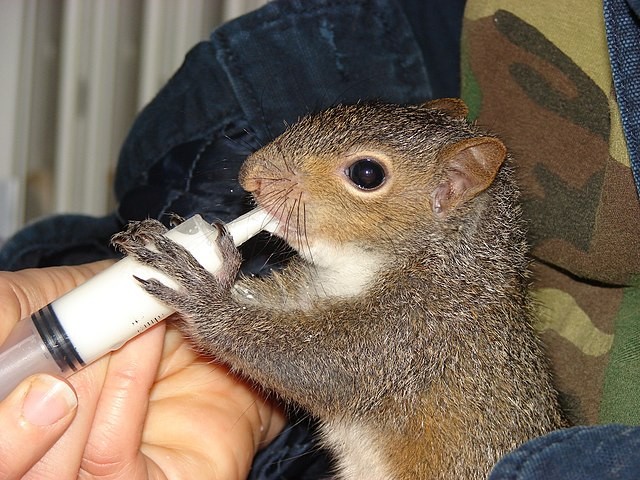
Aspiration pneumonia stands as one of the leading causes of death in orphaned wildlife, claiming countless lives that could have been saved with proper technique and vigilance. When formula, water, or saliva enters the lungs instead of the stomach, the consequences can be fatal within hours. Understanding how to prevent, recognize, and respond to aspiration emergencies forms a critical foundation for anyone caring for orphaned mammals.
Understanding Aspiration
Aspiration occurs when liquid enters the airways and lungs instead of following the proper path down the esophagus to the stomach. In baby mammals, this life-threatening event typically happens during feeding, though it can also occur when babies regurgitate and then inhale formula. The consequences unfold rapidly: immediate respiratory distress sets in, followed by pneumonia development within 12-48 hours, and without proper intervention, death often follows. The delicate respiratory systems of infant wildlife make them particularly vulnerable, as their small airways can quickly become compromised by even minute amounts of aspirated liquid.
Why Aspiration Happens
The most common cause of aspiration stems from feeding errors that overwhelm the baby's natural protective reflexes. Feeding too quickly or forcing formula into a reluctant baby overrides their ability to coordinate breathing and swallowing. Using nipples with holes that are too large creates a flow rate the baby cannot manage, essentially flooding their mouth faster than they can swallow. Improper positioning during feeding, particularly placing babies on their backs like human infants, works against their natural anatomy and reflexes.
Physical condition plays an equally important role in aspiration risk. Attempting to feed a cold, weak, or dehydrated baby significantly increases danger, as these compromised babies lack the strength and coordination needed for safe swallowing. Overfeeding creates another risk, as an overfull stomach increases the likelihood of regurgitation and subsequent aspiration. Tragically, aspiration can also occur before babies even reach rehabbers, orphans who have gone extended periods without eating may have already aspirated their own saliva in desperation, arriving with respiratory compromise already underway.
Certain physical abnormalities create persistent aspiration risks that require special management. Cleft palates, where holes in the roof of the mouth create direct connections between oral and nasal cavities, make normal feeding impossible without specialized techniques. Hypothermic babies lose muscle coordination, including the complex muscular actions required for safe swallowing. Neurological problems from trauma or disease can impair swallowing reflexes, while very young babies may simply not have developed proper swallowing coordination yet.
Recognizing Aspiration
During feeding, several signs indicate aspiration is occurring. The most obvious sign is formula appearing from the nostrils, a clear indication that liquid has entered the nasal passages instead of traveling down the esophagus. Sudden coughing, sneezing, or gasping during feeding signals the body's attempt to clear airways of foreign liquid. Listen carefully for clicking or popping sounds when the baby breathes, as these indicate fluid in the airways. Formula bubbles appearing at the nostrils provide visual confirmation that aspiration has occurred.
The hours following aspiration require careful monitoring for developing complications. Open-mouth breathing suggests respiratory distress, as babies attempt to increase oxygen intake. Wheezing or raspy breathing indicates airway inflammation or fluid accumulation. Progressive lethargy or weakness often develops as oxygen levels drop and infection begins. In severe cases, cyanosis (a blue or purple discoloration of the skin) indicates dangerous oxygen deprivation. Refusing subsequent feedings often signals that the baby is struggling to breathe and cannot manage the complex task of eating safely.
Emergency Response Protocol
When aspiration occurs, seconds count in preventing fatal complications. The immediate response requires swift but calm action. First, stop feeding immediately! Position the baby with their head downward at approximately a 45-degree angle, supporting the body firmly but gently to allow gravity to help drain fluid from the airways. This position works with physics to encourage drainage rather than deeper aspiration.
Clear the airways by gently wiping any visible formula from the nose and mouth with soft tissue or cloth. If available, use a bulb syringe to carefully suction the nostrils, but avoid aggressive suctioning that could cause additional trauma. Stimulate breathing by gently rubbing the baby's back in circular motions. If breathing has stopped, provide gentle fingertip compressions on the chest, these should be light and rapid, appropriate for the tiny size of the patient. Continue stimulation efforts for at least 60 seconds, as baby mammals can sometimes recover even after appearing lifeless.
Following initial emergency response, maintain careful observation. Keep the baby warm and in an upright position to facilitate breathing and prevent additional aspiration. Monitor breathing patterns closely for the next two hours, watching for signs of deterioration. If breathing remains labored, clicking sounds persist, or other concerning symptoms develop, immediate veterinary care becomes essential.
Prevention Strategies
Proper feeding position forms the cornerstone of aspiration prevention. Squirrels and rodents must be fed in an upright position, never on their backs. Their natural nursing position involves clinging vertically to their mother, and replicating this position during hand-feeding works with their anatomy. Opossums benefit from a slightly different approach, with their heads elevated but in a more angled position that mimics their natural nursing posture. Rabbits should be fed in a sitting position with proper support. The cardinal rule across all species: never feed any mammal on its back like human babies, as this position virtually guarantees aspiration.
Feeding technique matters as much as position. Allow babies to control the flow rate rather than forcing formula into their mouths. For tiny babies, this means offering one drop at a time and waiting for active swallowing before offering more. Watch the throat for swallowing motions before proceeding. Frequent pauses during feeding allow babies to catch their breath and clear any small amounts of formula from their throats. Most importantly, stop feeding when the baby stops actively nursing, the temptation to encourage "just a little more" leads to overfeeding and aspiration.
Equipment selection directly impacts aspiration risk. Choose nipples appropriate for the species and age of your patient. Test flow rates before feeding: formula should drip slowly when the bottle or syringe is inverted, never stream out. For tiny babies and pinkies, 1cc syringes provide the best control over flow rate. Bottles should be reserved for older babies who have demonstrated strong, coordinated nursing abilities. Never use bottles for pinkies or weak babies, as they cannot control the flow adequately.
Post-Aspiration Care
The first 24 hours after aspiration are critical for determining outcome. Keep the affected baby warm and maintain an upright position to facilitate breathing and prevent additional aspiration. Withhold formula feeding for 2-4 hours to allow the respiratory system time to clear and recover. Monitor breathing patterns every 30 minutes, documenting any changes. When the baby appears stable, offer small amounts of electrolyte solution before attempting formula again.
Watch vigilantly for signs that pneumonia is developing in the hours and days following aspiration. Clicking sounds persisting with each breath indicate fluid accumulation in the lungs. Decreased appetite often signals systemic illness development. Weight loss, even with attempted feeding, suggests the body is directing energy toward fighting infection rather than growth. Nasal discharge may appear as the respiratory system attempts to clear infection. Progressive lethargy indicates worsening condition, while persistent open-mouth breathing signals significant respiratory compromise requiring immediate veterinary intervention.
The Golden Rule
When caring for orphaned wildlife, remember this fundamental truth: a hungry baby will survive until the next feeding, but a baby with aspiration pneumonia may not. The drive to nurture and feed these vulnerable creatures must be tempered with patience and proper technique. Taking time to ensure proper positioning, allowing the baby to control feeding pace, and stopping when they've had enough aren't just good practices, they're lifesaving measures. In wildlife rehabilitation, patience isn't merely a virtue; it's the difference between successful rehabilitation and tragic loss.
Recommended Supplies
Tools and supplies commonly used by wildlife rehabbers.
As an Amazon Associate, Juniper earns from qualifying purchases. Links below are affiliate links — your price is unchanged.
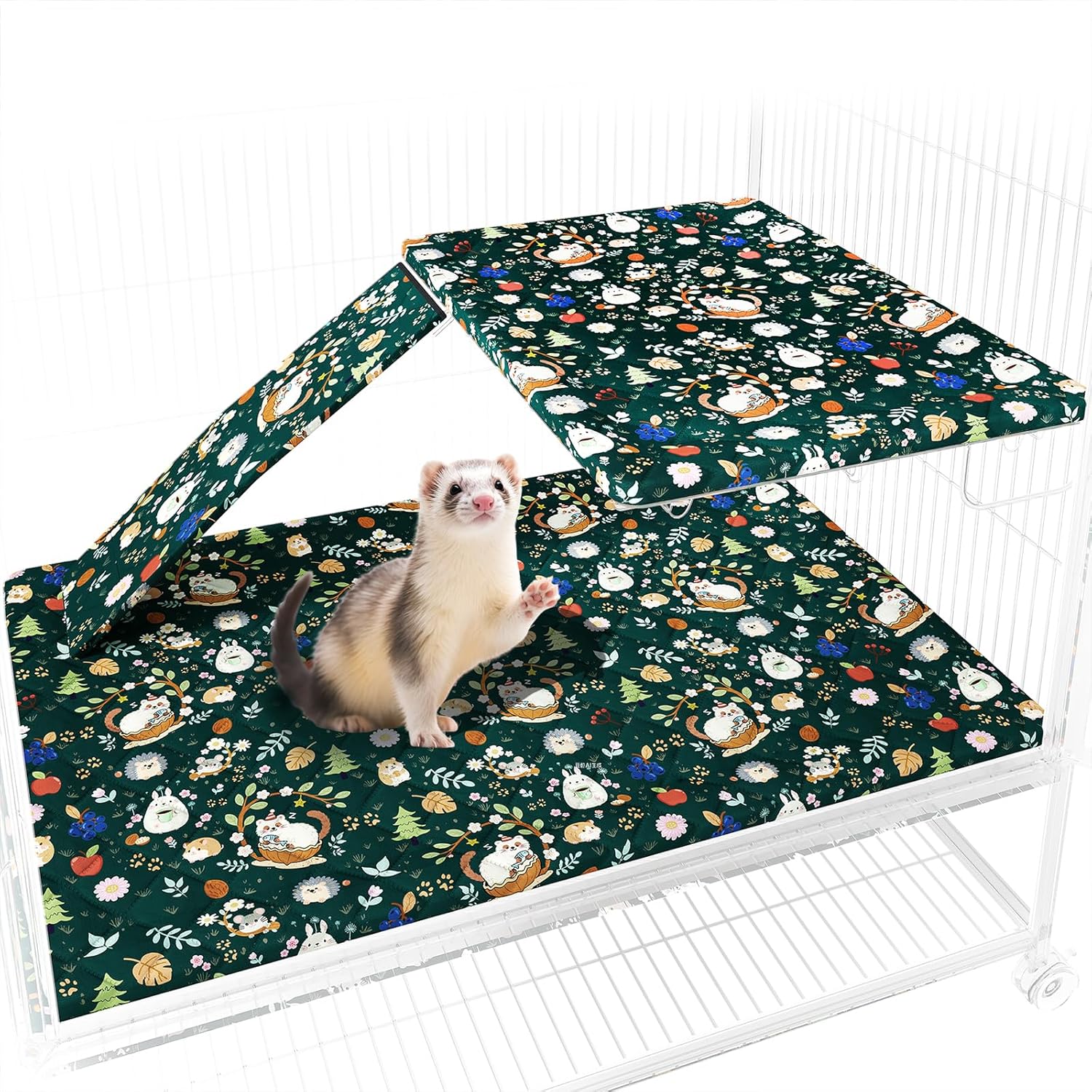
Washable Cage Liner / Critter Bedding Set
Reusable, washable cage liners. Replaces disposable bedding for cost savings and reduces dust exposure for respiratory-sensitive patients.
View on Amazon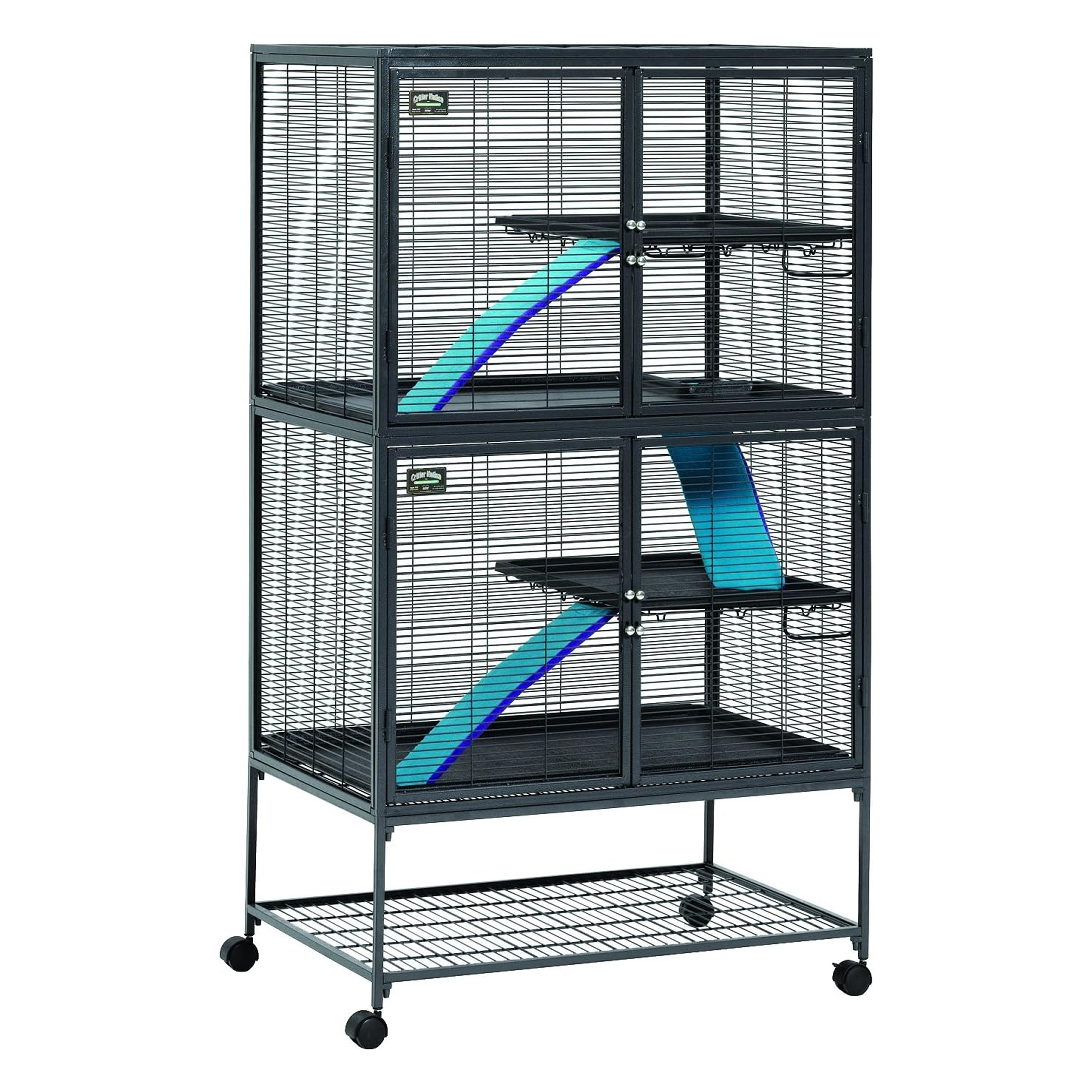
MidWest Critter Nation Single-Unit Cage
Roomy, multi-level cage commonly repurposed for squirrel, opossum, and small-mammal pre-release housing. Removable trays simplify cleaning.
View on Amazon
Fleece Pet Blankets (multi-pack)
Multi-pack of small fleece blankets — keep a deep stack on hand for bedding rotations, soiled-laundry cycles, and emergency intake.
View on Amazon