

Care Guides
Evidence-based protocols for wildlife rehabilitation
Featured
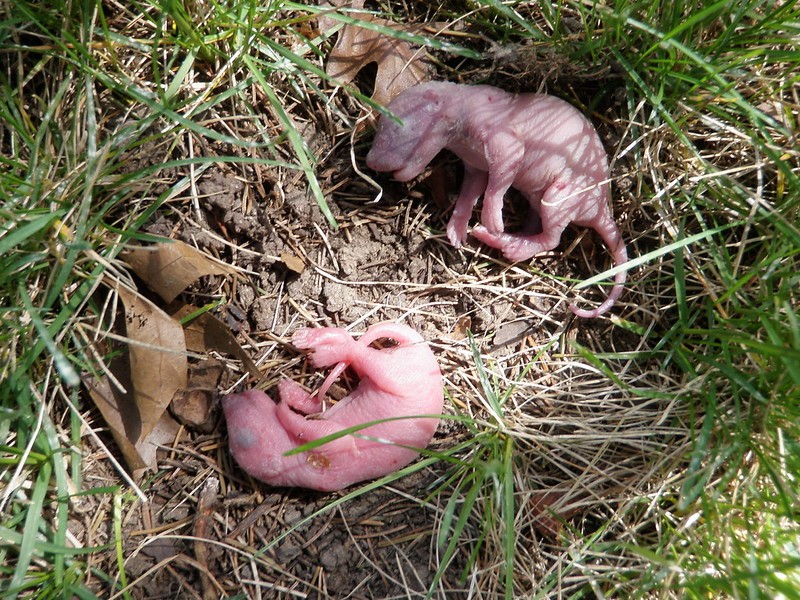
Identifying Baby Mammals: Is It a Mouse, Rat, Squirrel, or Opossum?
When you find a tiny, pink, hairless baby mammal, identification can be challenging. These species look remarkably similar in their first days of life, but proper identification is crucial for appropriate care. Here's how to tell them apart
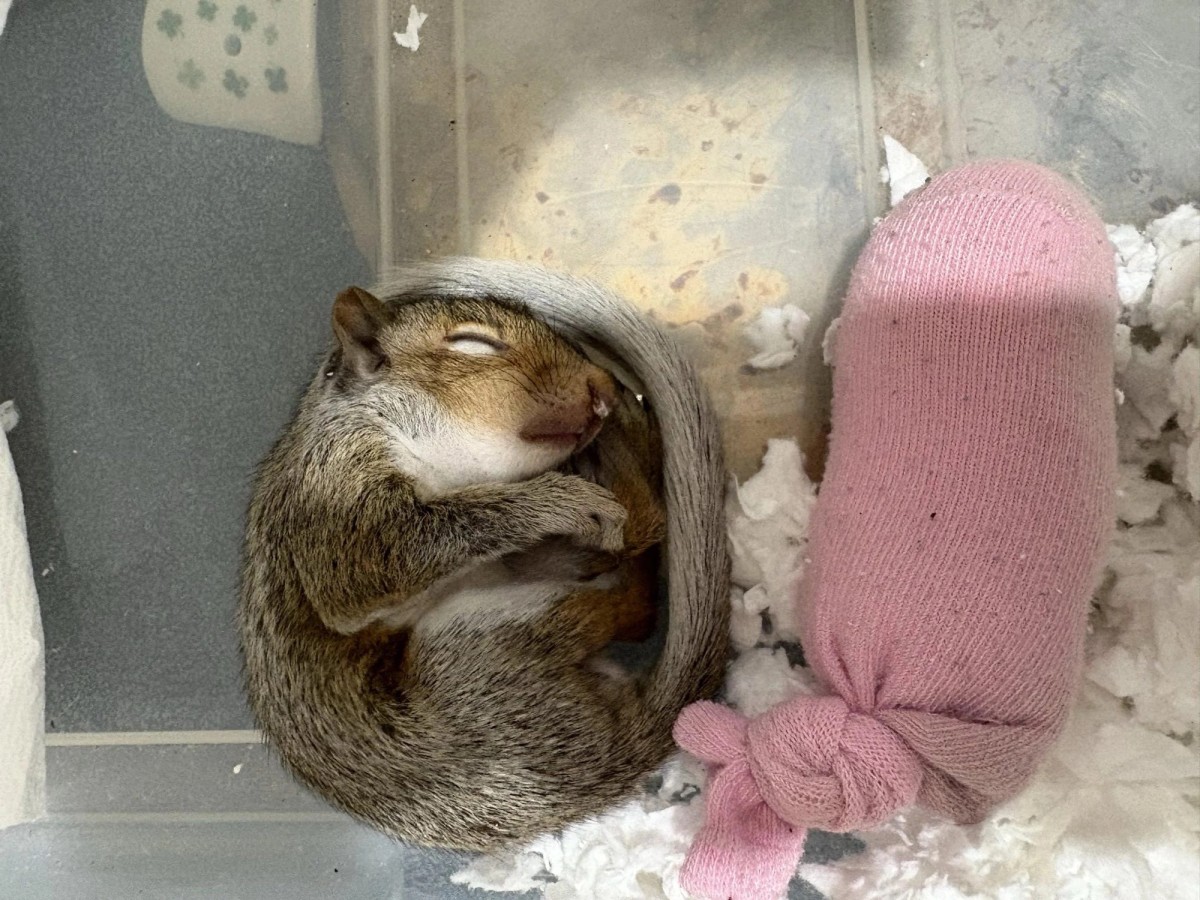
Common Medications in Squirrel Rehabilitation: A Guide for Caregivers
CRITICAL: This guide is for licensed rehabbers and those working under veterinary supervision. Wildlife rehabilitation often requires prescription medications that must be obtained and dosed by professionals. Improper medication use can be fatal.
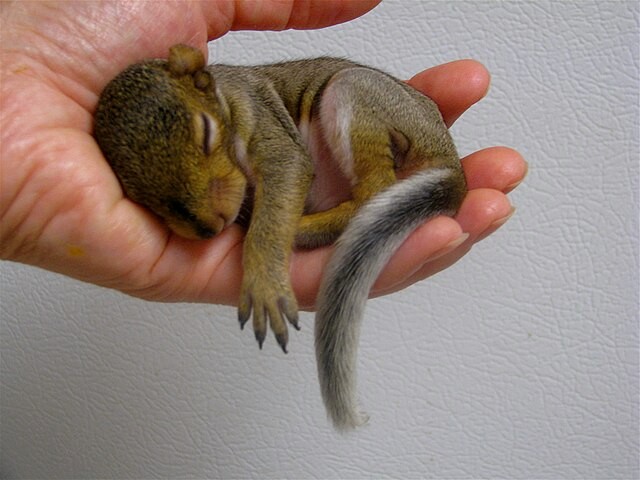
Emergency First Response for Baby Squirrels
Critical first steps to take when you find a baby squirrel. Learn how to assess condition, provide warmth, and determine if the baby needs rehabilitation or can be reunited with mom.
All Guides
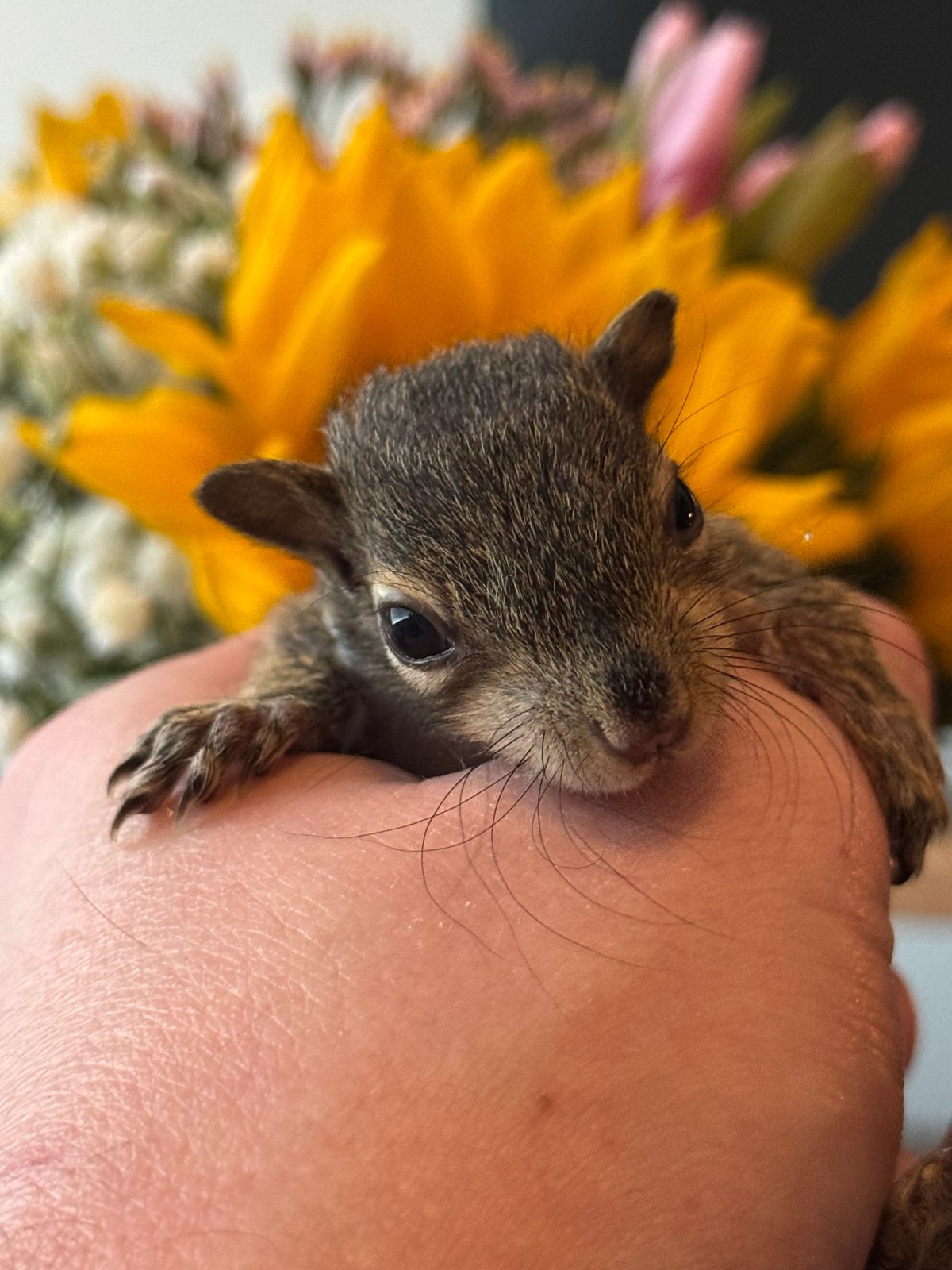
Dwarf Squirrel Guide
Dwarf squirrels present unique challenges in wildlife rehabilitation. These individuals, whether due to genetic conditions or developmental issues, require specialized care protocols that differ significantly from standard squirrel rehabilitation practices.
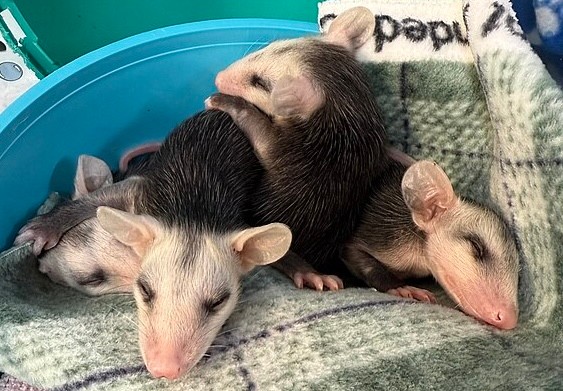
Opossum Care Guide
Virginia opossums are North America's only native marsupial, making their rehabilitation uniquely challenging. Their distinctive biology, from their incredibly altricial birth state to their specialized nutritional needs, requires rehabbers to abandon many assumptions based on placental mammal care. This guide provides comprehensive information for successfully raising orphaned opossums from pouch young through release.
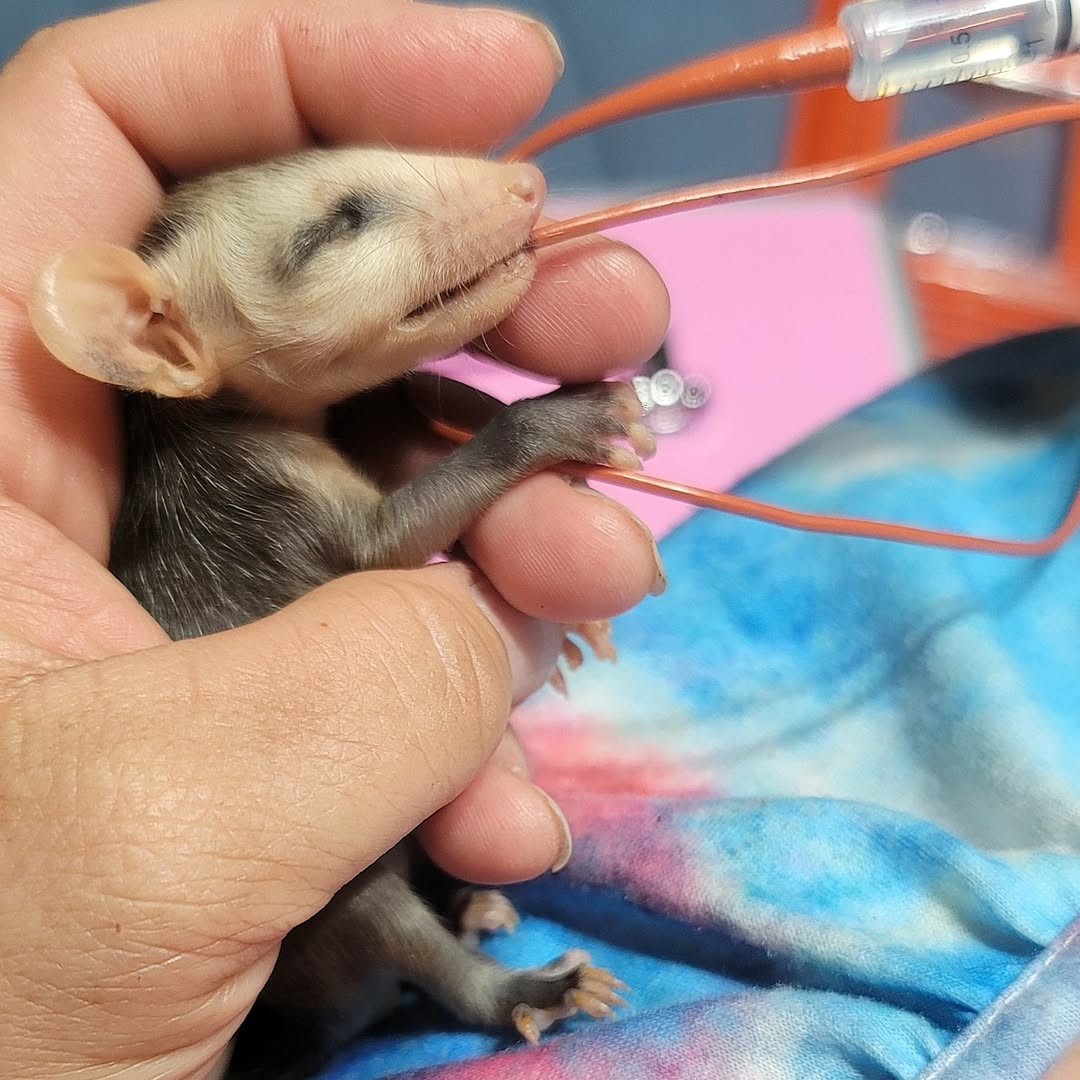
Tube Feeding Safely
Tube feeding is essential for infant opossums under 25-30 grams who cannot effectively nurse. This delicate procedure can save lives when done correctly or cause fatal complications when done improperly. This guide provides step-by-step protocols developed by experienced opossum rehabbers.
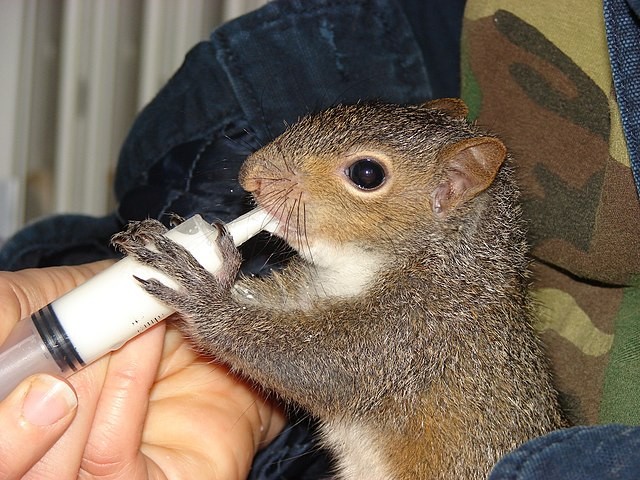
Aspiration in Baby Mammals: Prevention, Recognition, and Emergency Response
Aspiration pneumonia is one of the leading causes of death in orphaned wildlife. When formula, water, or saliva enters the lungs instead of the stomach, it can be fatal within hours. This guide will help you prevent, recognize, and respond to aspiration emergencies.