Find care guides for specific animals. Select an animal to see all available resources, organized by care topic.
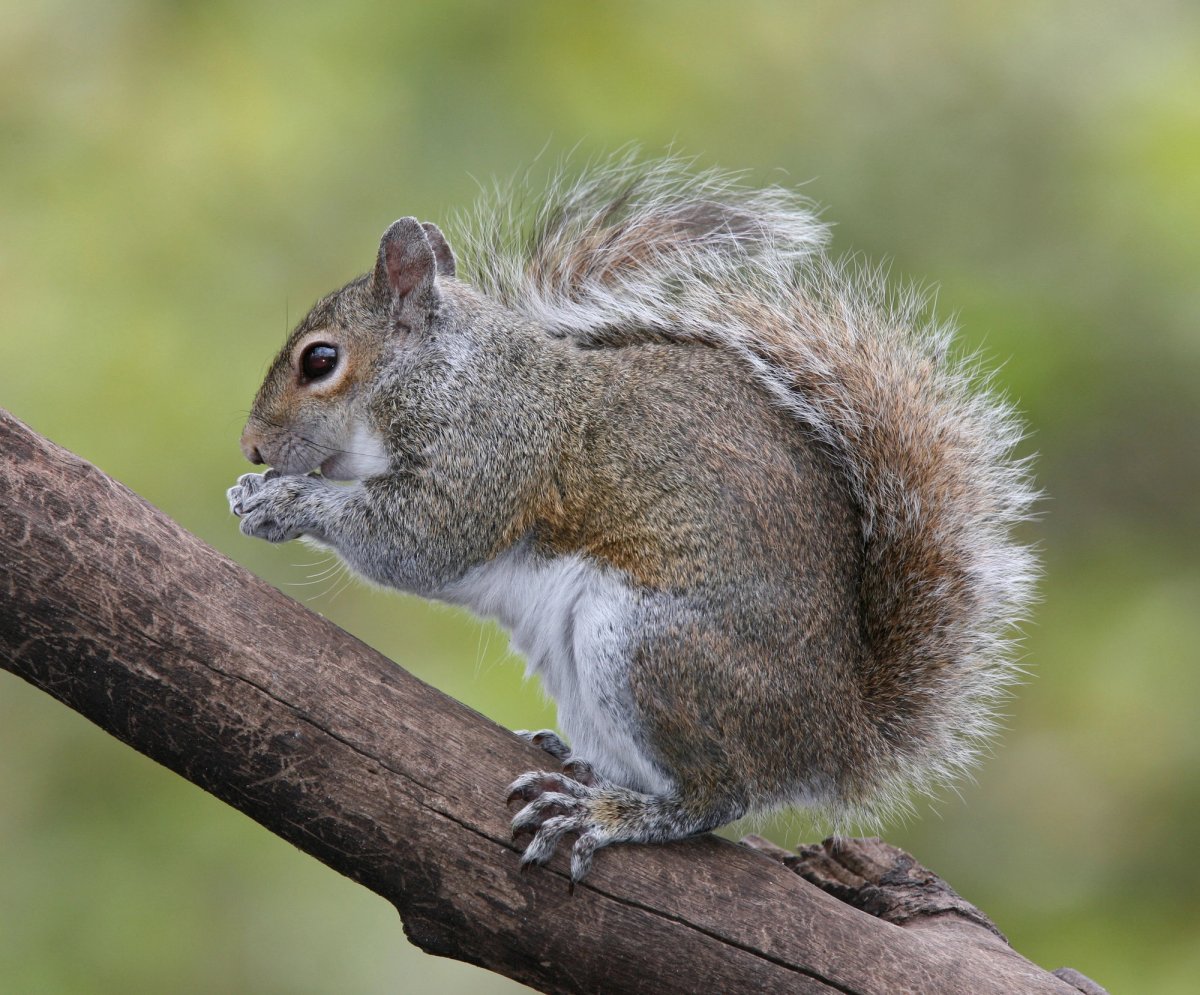
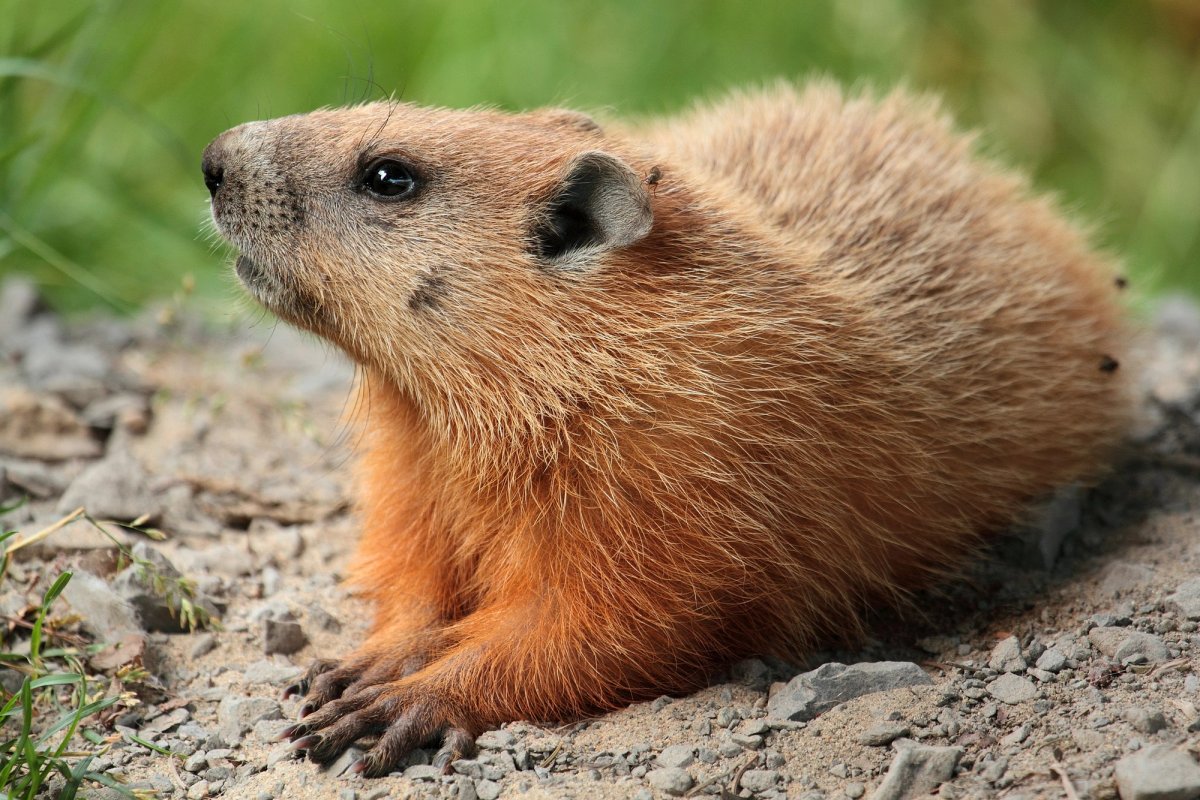
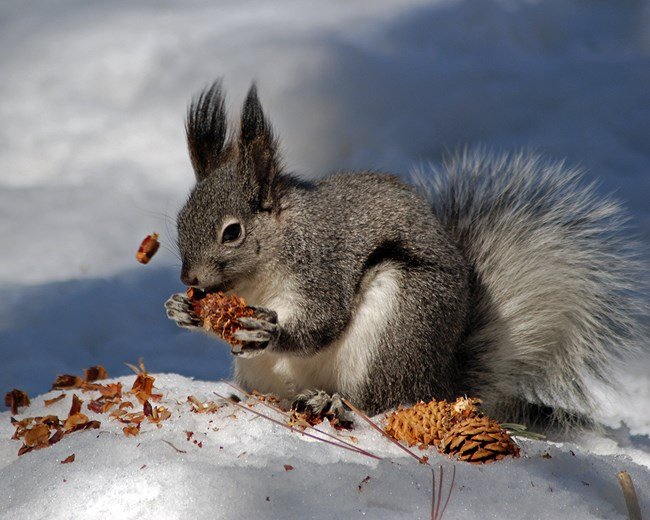
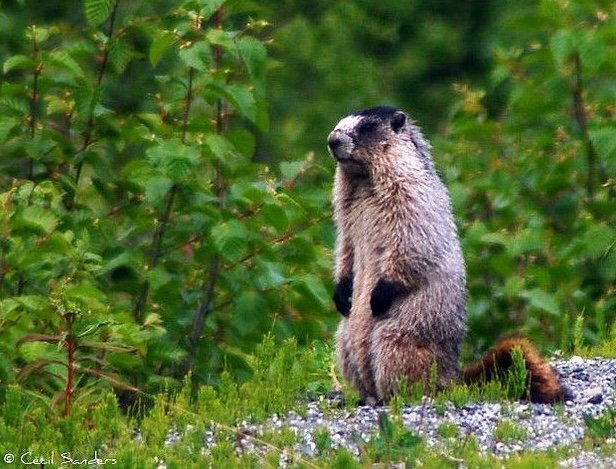
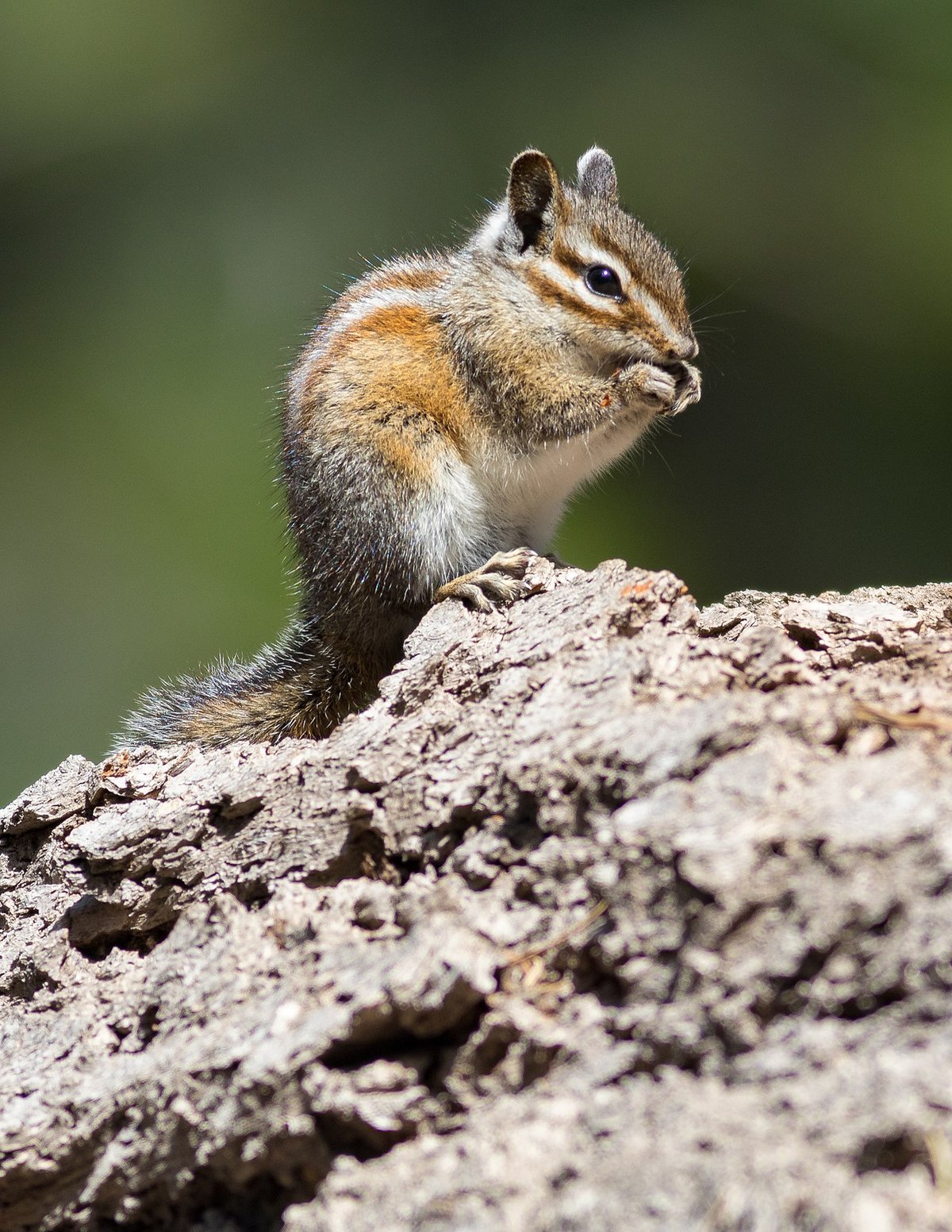
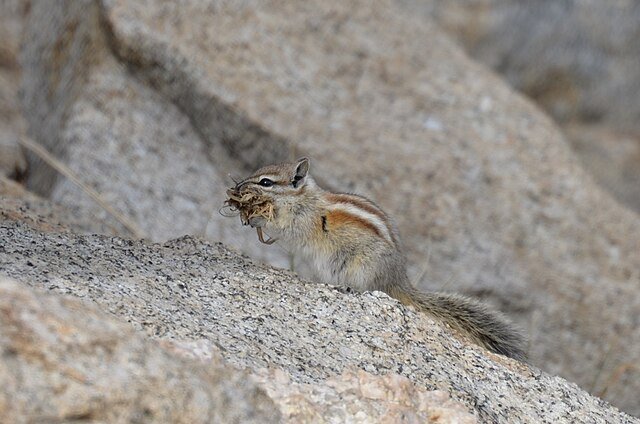
Sciuridae is the family of squirrels, encompassing over 280 species including tree squirrels, ground squirrels, chipmunks, marmots, flying squirrels, and prairie dogs. These agile rodents are found on every continent except Antarctica and Australia, distinguished by their bushy tails, sharp claws for climbing, and cheek pouches for storing food.
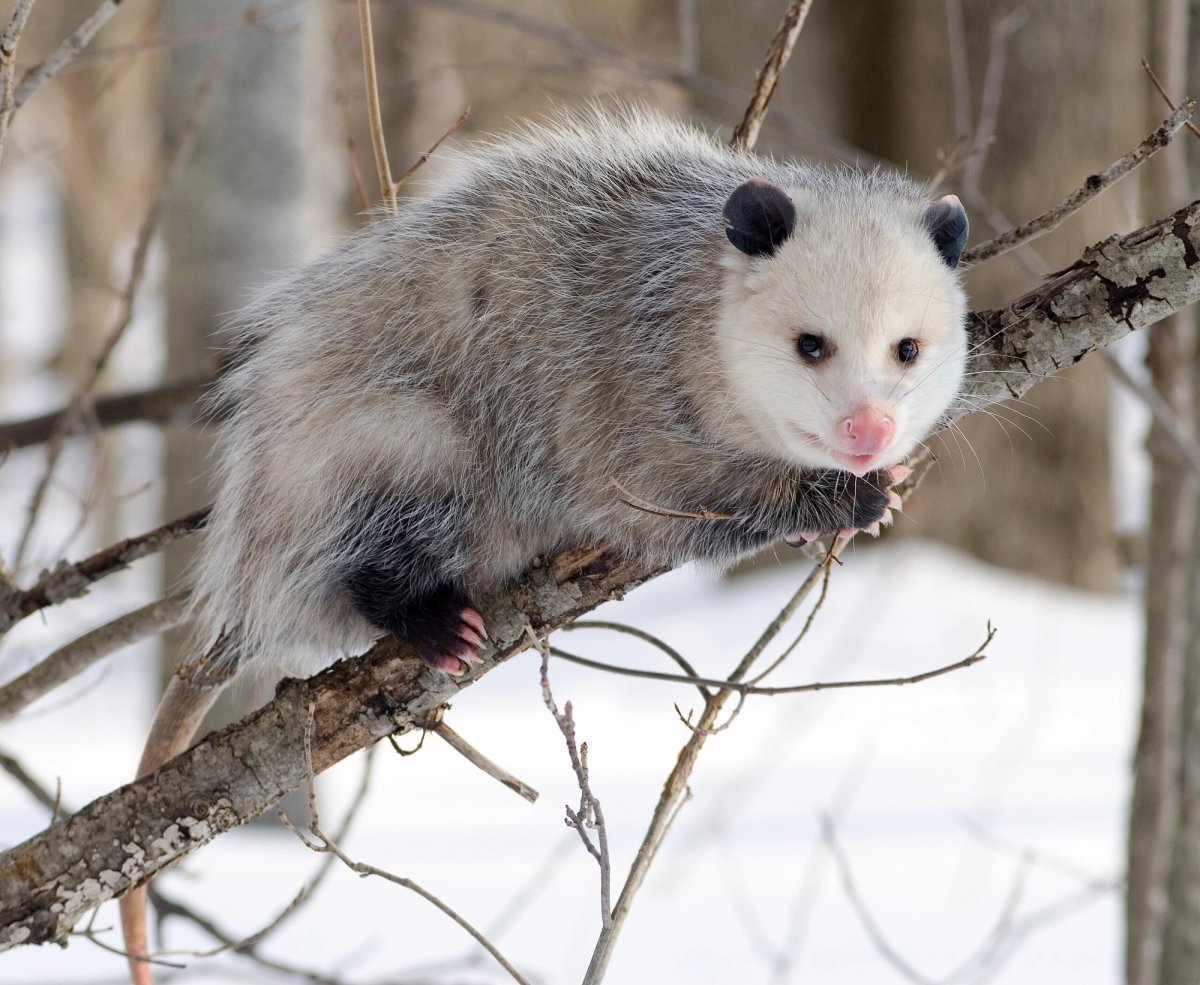
The Didelphidae family, a family of marsupials known as opossums, is represented in the United States by a single species, the Virginia opossum. This species is the only marsupial native to North America north of Mexico and ranges from southern Canada to northern Costa Rica.
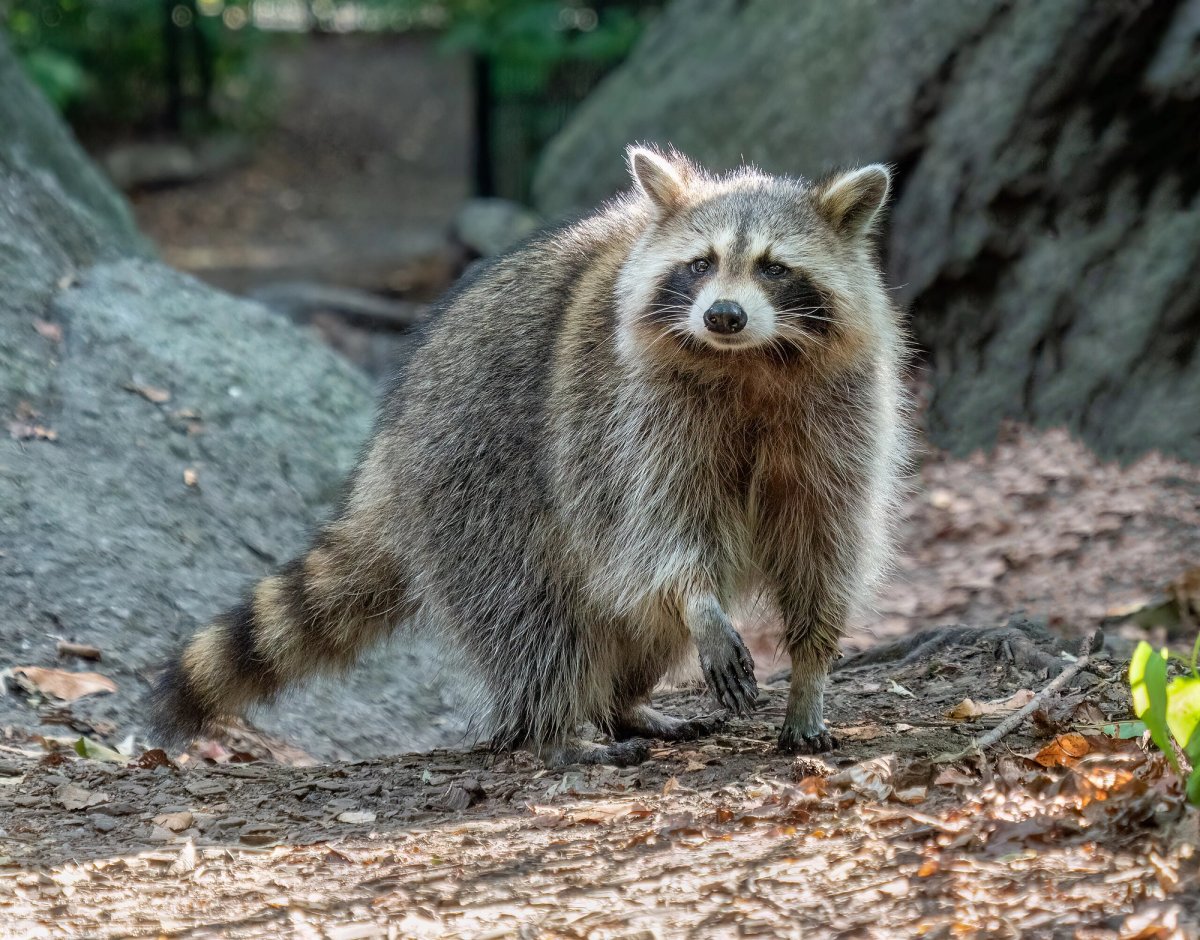
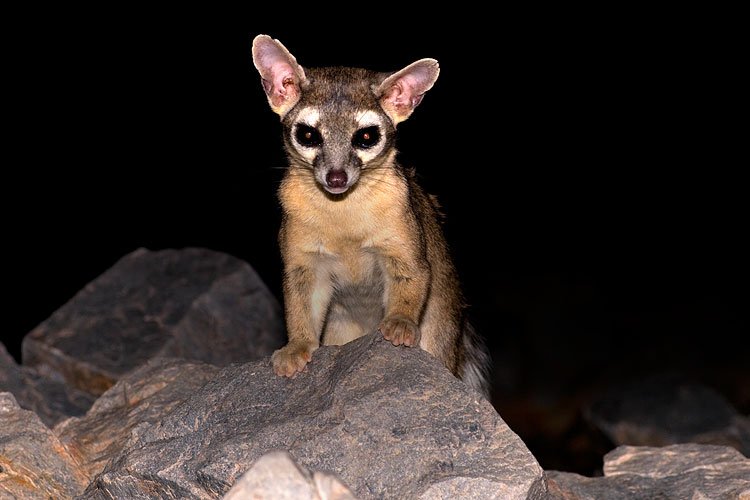
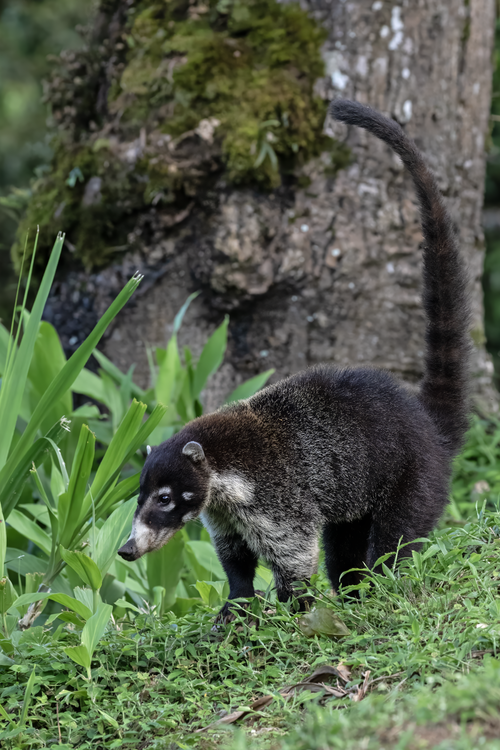
Procyonidae is a New World family of the order Carnivora. It includes the raccoons, ringtails, cacomistles, coatis, kinkajous, olingos, and olinguitos. Procyonids inhabit a wide range of environments and are generally omnivorous.
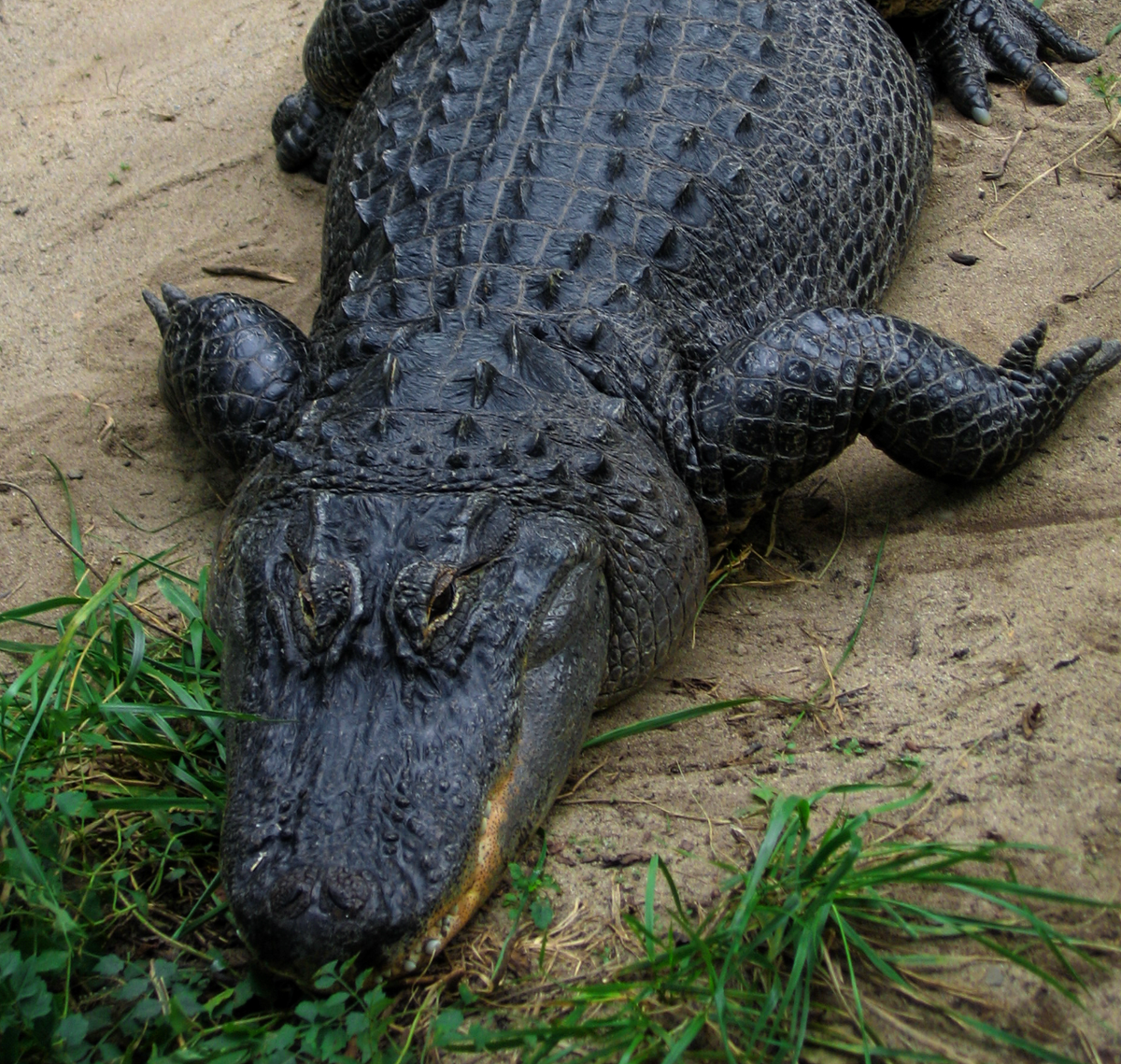
Crocodilia is an order of semiaquatic, predatory reptiles that are known as crocodilians. They appeared 83.5 million years ago in the Late Cretaceous period and are the closest living relatives of birds, as the two groups are the only known survivors of the Archosauria.
Dasypodidae, from Ancient Greek δασύς, meaning "hair", and πούς, meaning "foot", is a family of mostly extinct genera of armadillos. One genus, Dasypus, is extant, with at least seven living species.
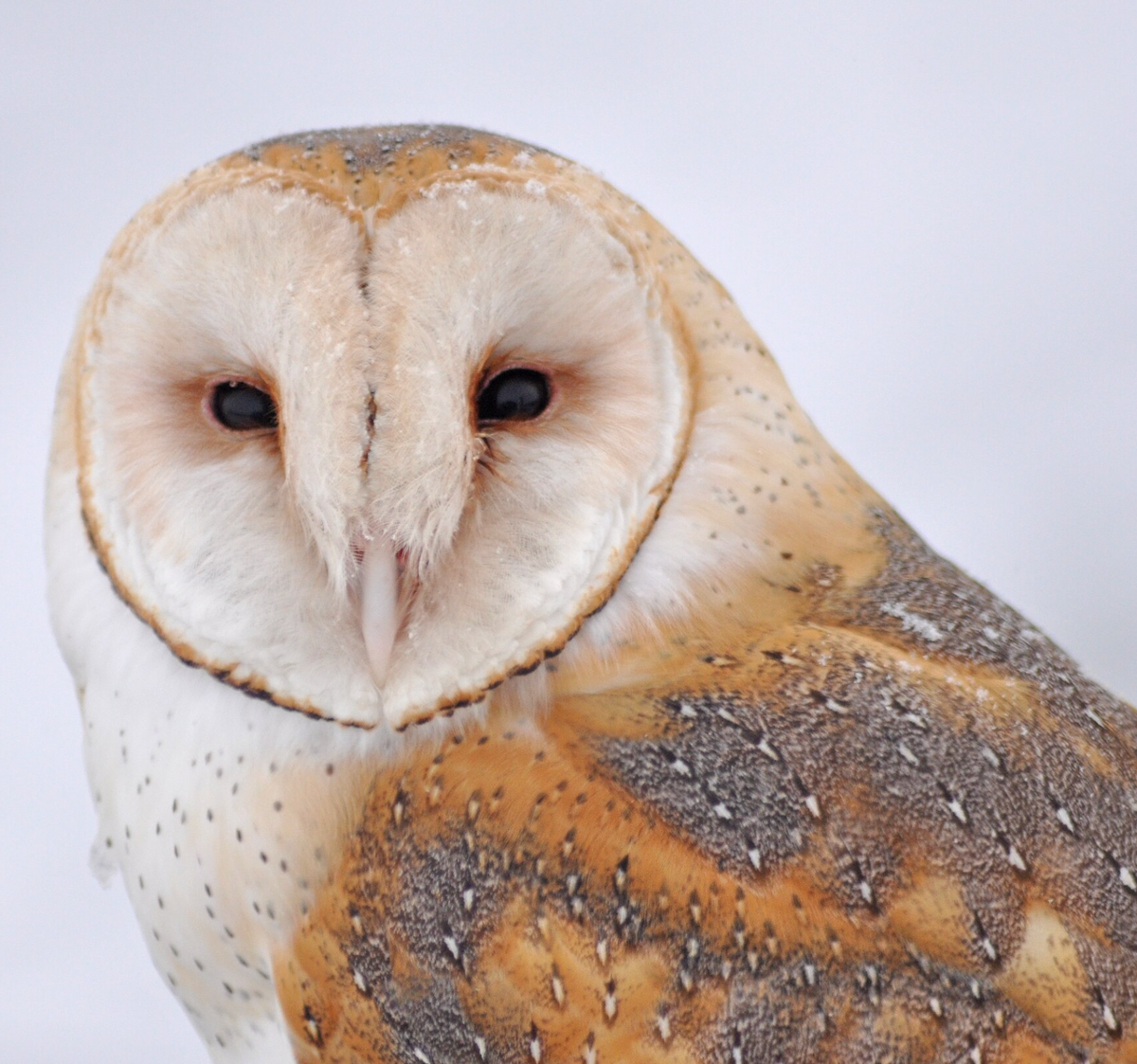
The bird family Tytonidae, which includes the barn owls Tyto and the bay owls Phodilus, is one of the two families of owls, the other being the true owls or typical owls, Strigidae. Tytonidae are medium to large owls with large heads and characteristic heart-shaped faces.
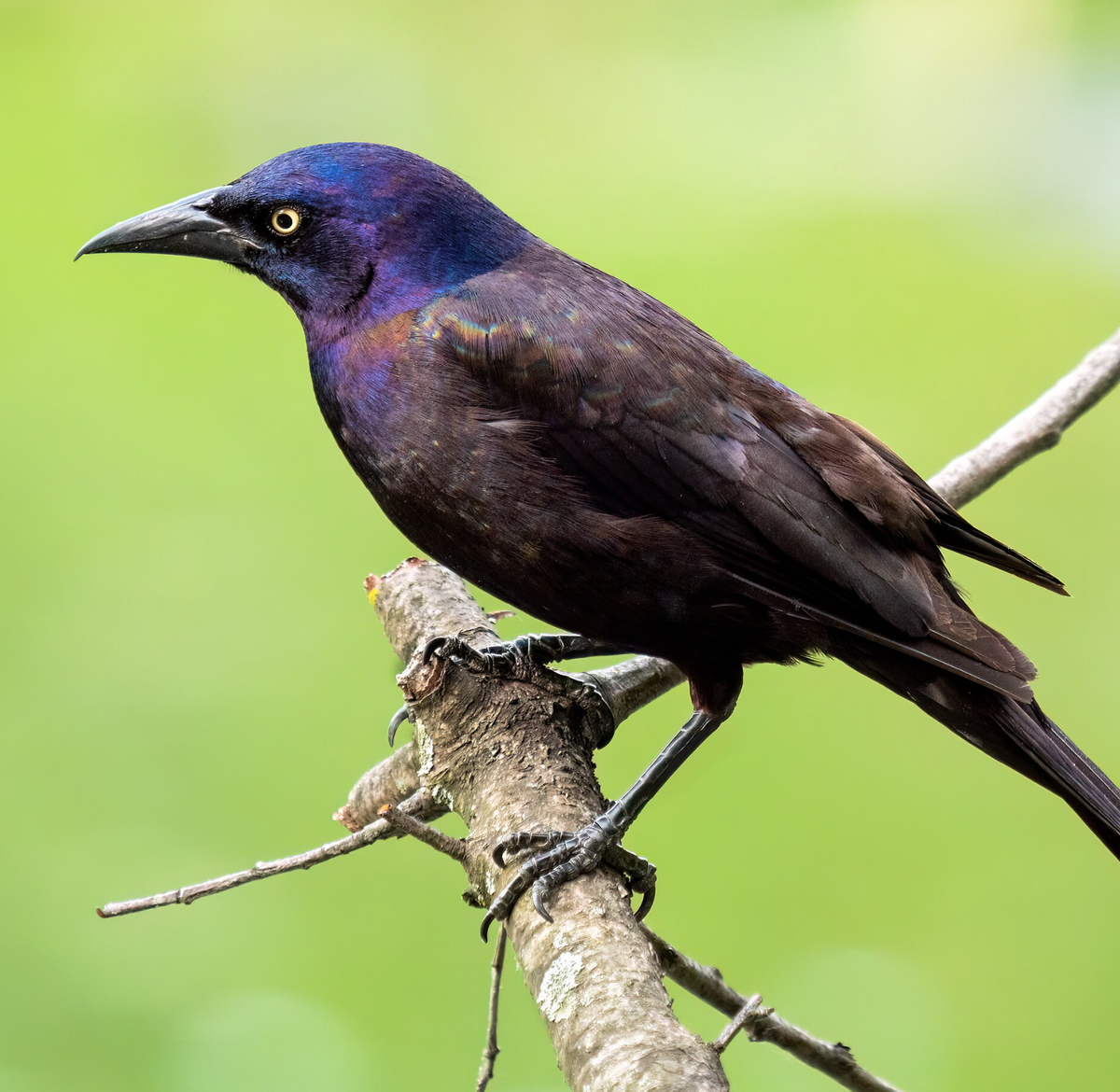
Icterids or New World blackbirds make up a family, the Icteridae, of small to medium-sized, often colorful, New World passerine birds. The family contains 108 species and is divided into 30 genera. Most species have black as a predominant plumage color, often enlivened by yellow, orange, or red.
Cardinalidae is a family of New World-endemic passerine birds that consists of cardinals, grosbeaks, and buntings. It also includes several other genera such as the tanager-like Piranga and the warbler-like Granatellus.
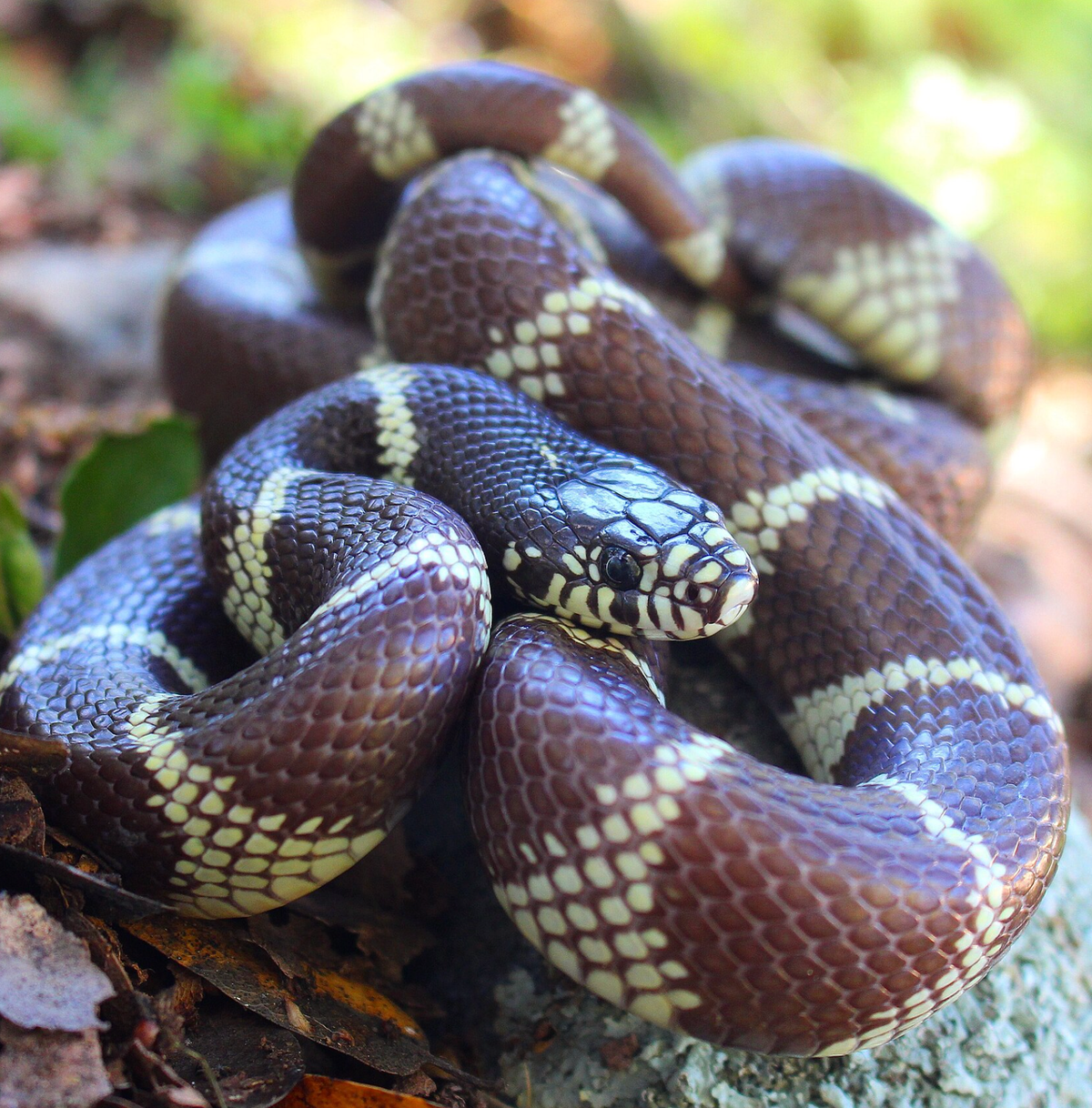
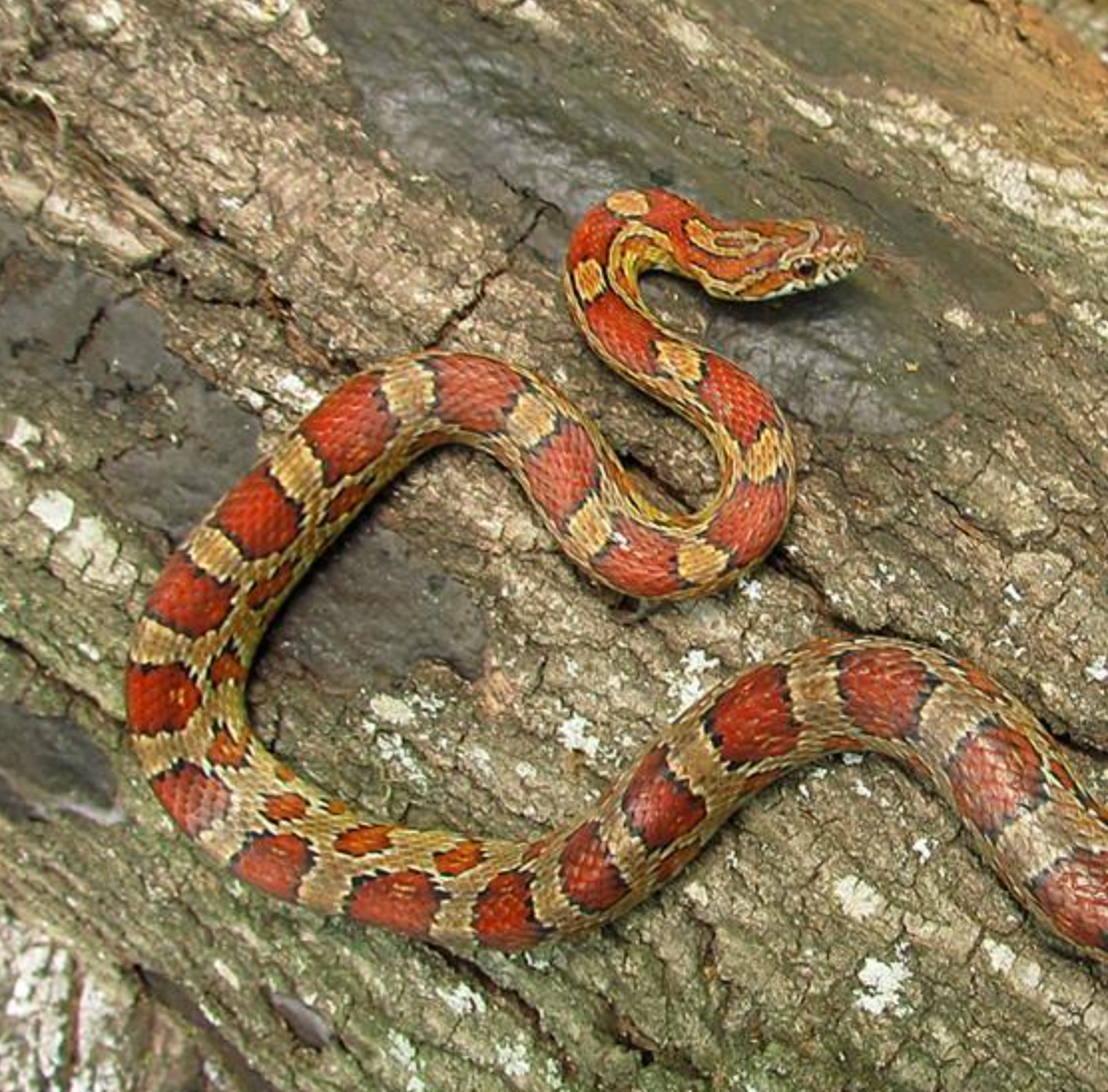
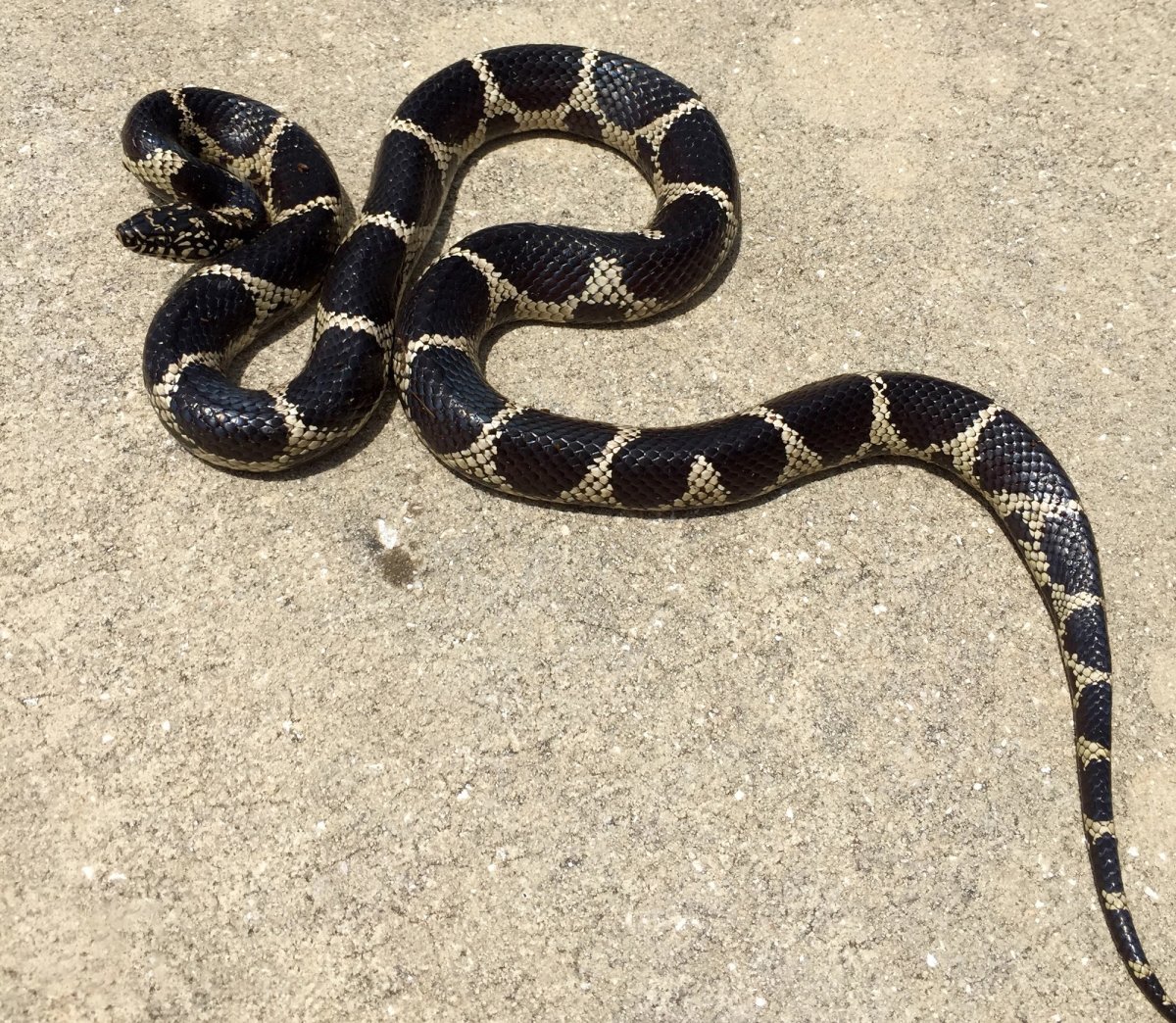
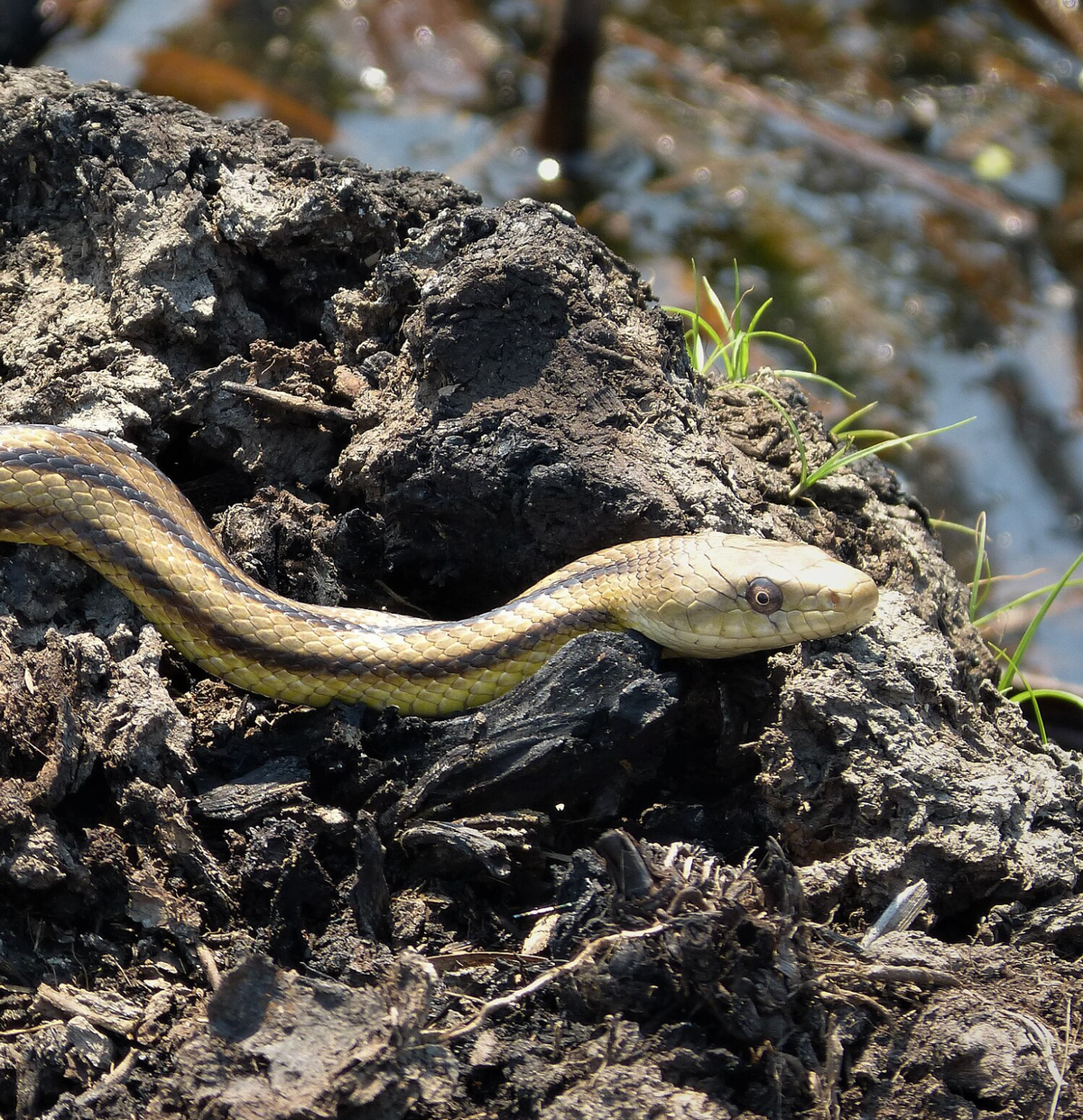
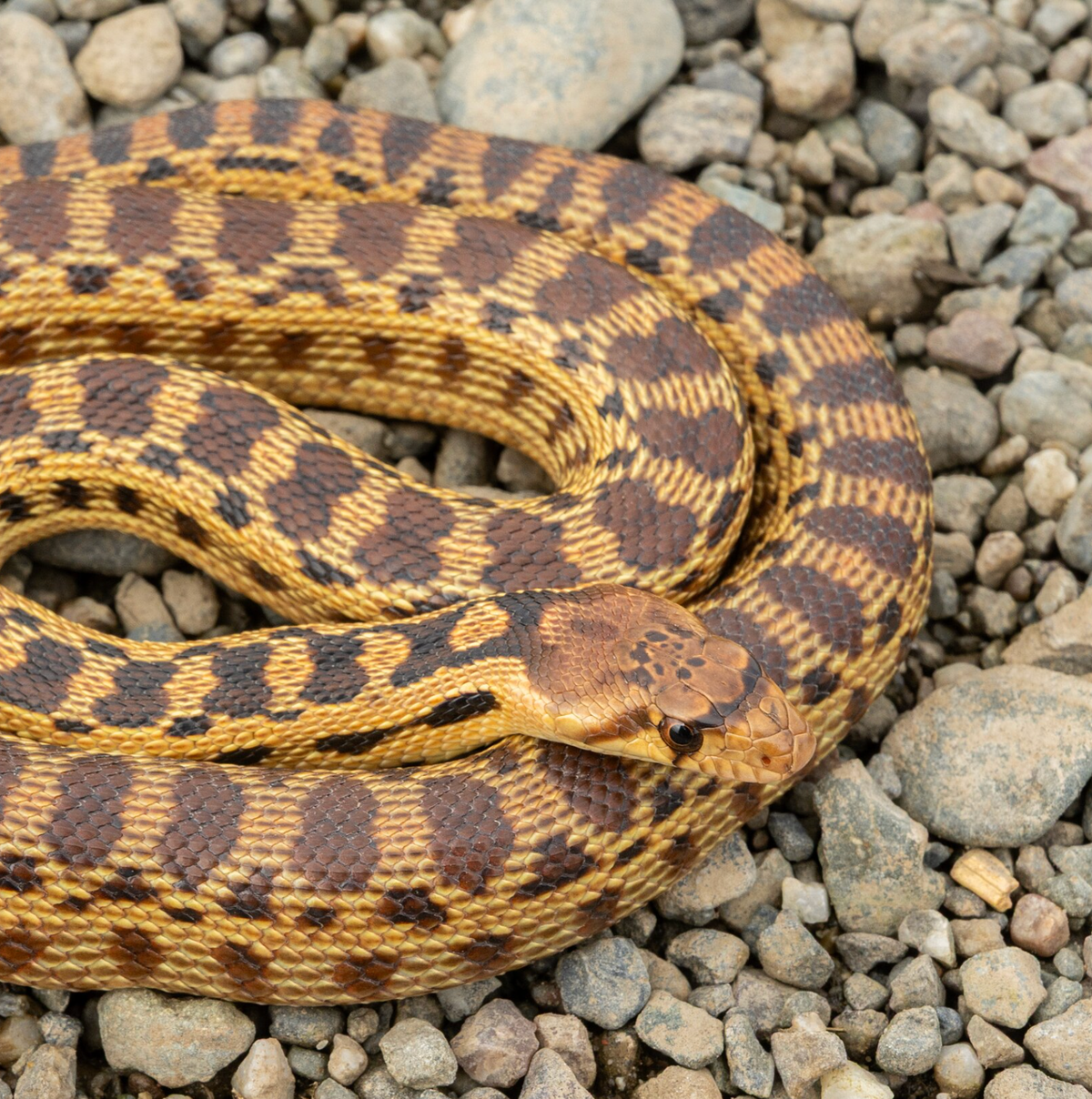
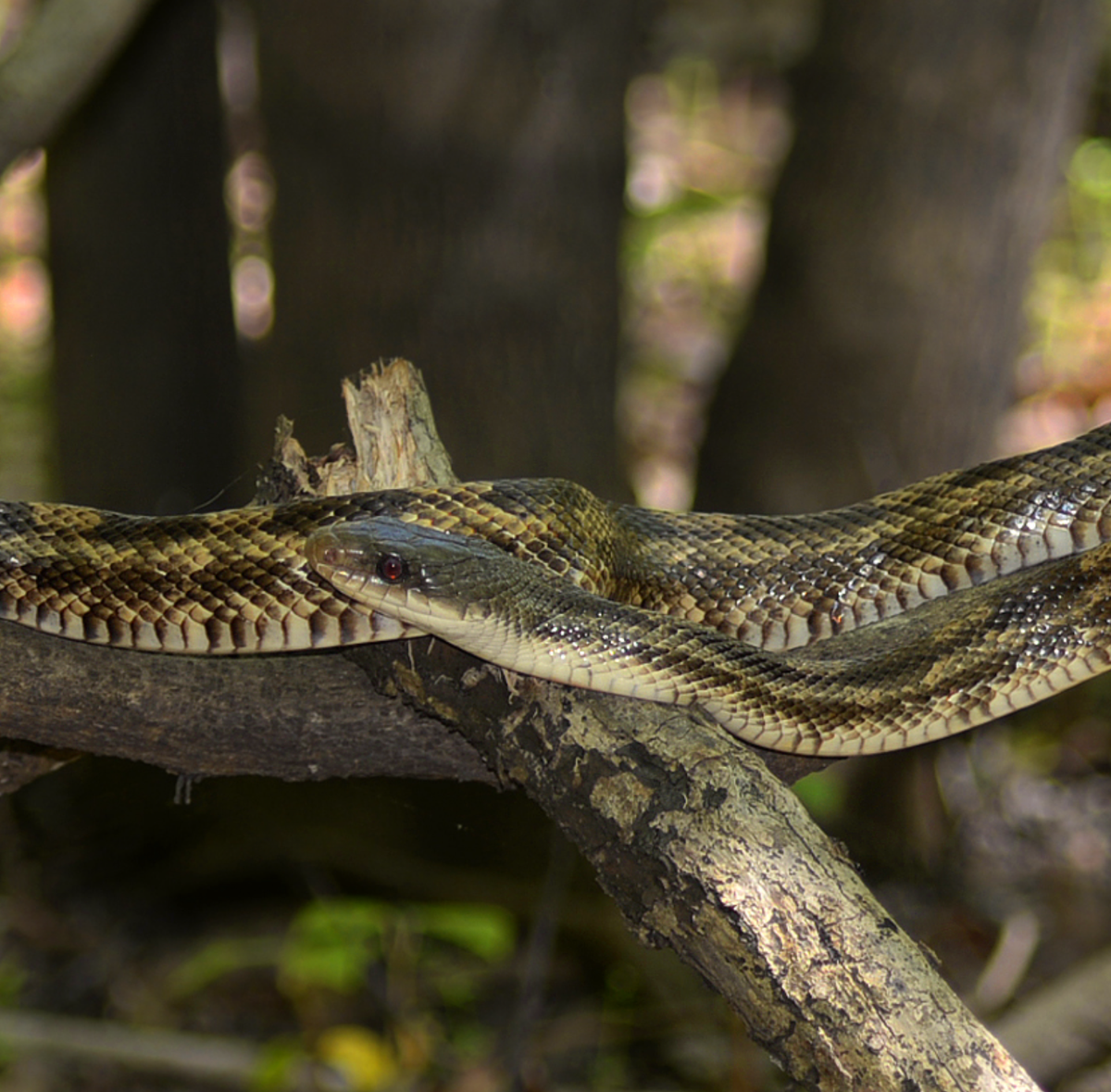
Colubridae is a family of snakes. With 249 genera, it is the largest snake family. The earliest fossil species of the family date back to the Late Eocene epoch, with earlier origins suspected. Colubrid snakes are found on every continent except Antarctica.
The Gruiformes are an order containing a considerable number of living and extinct bird families, with a widespread geographical diversity. Gruiform means 'crane form'.
Cranes are a type of large bird with long legs and necks in the biological family Gruidae of the order Gruiformes. The family has 15 species placed in four genera which are Antigone, Balearica, Leucogeranus, and Grus.
A crocodile or true crocodile is a large, semiaquatic reptile that lives throughout the tropics in Africa, Asia, the Americas and Australia.
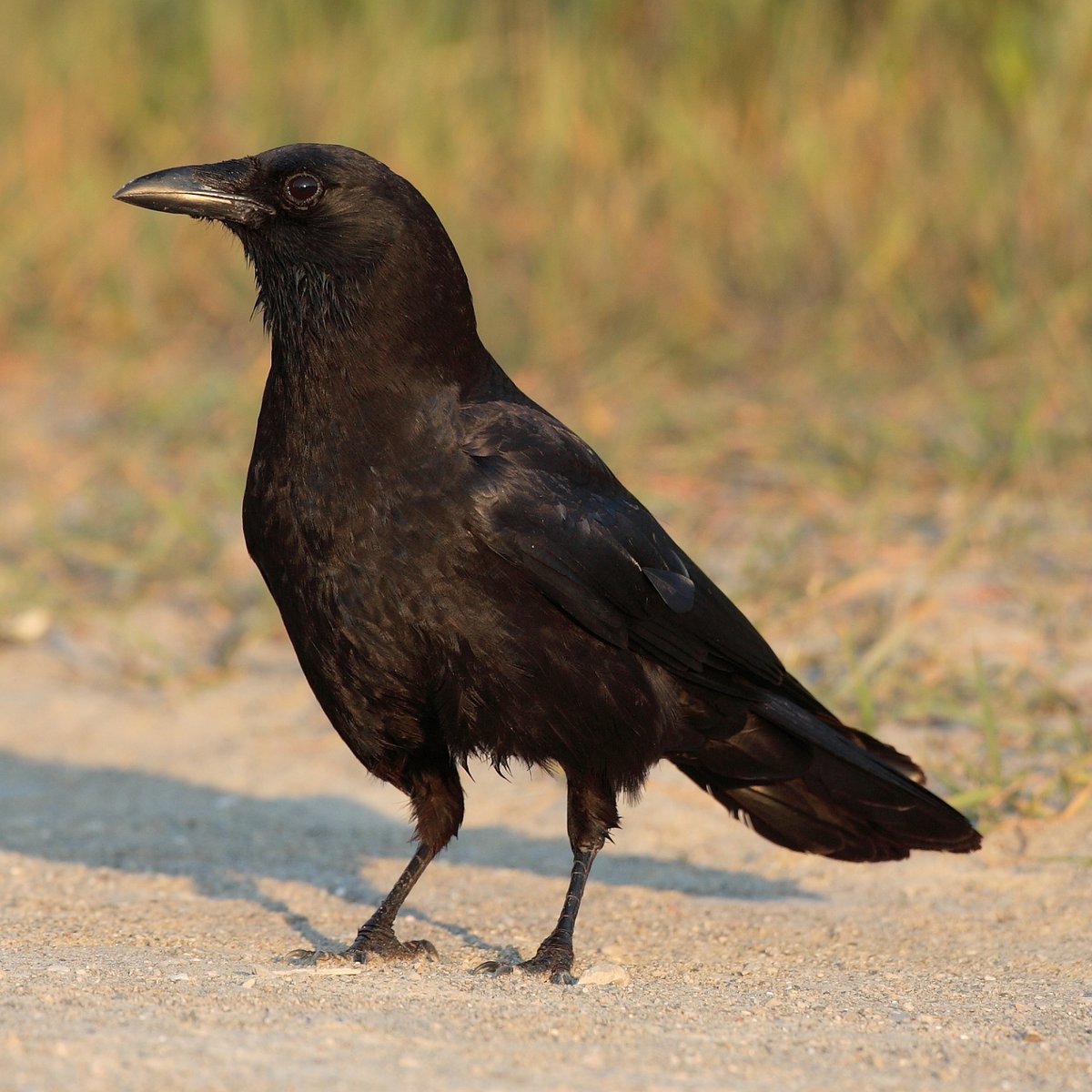
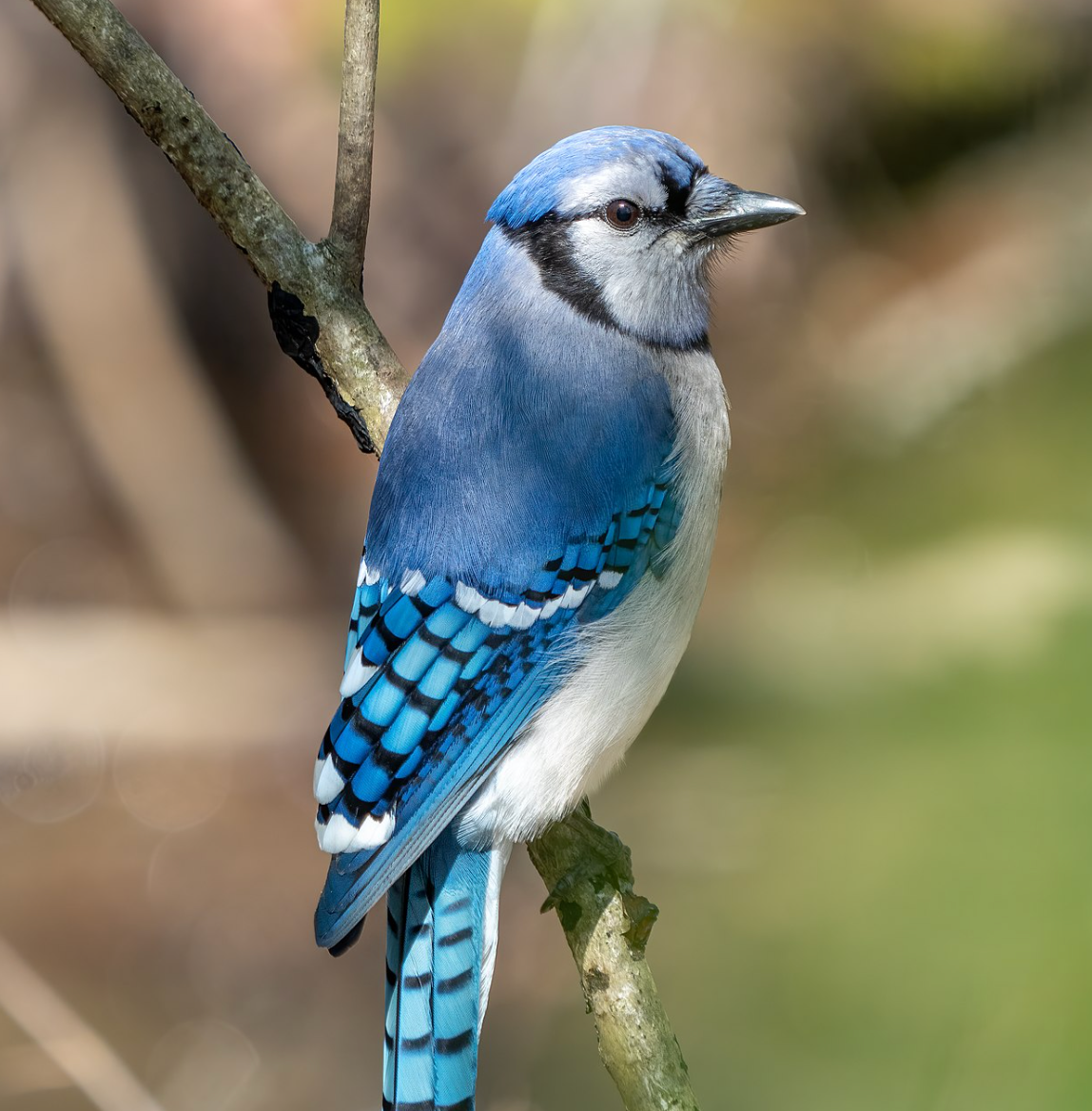
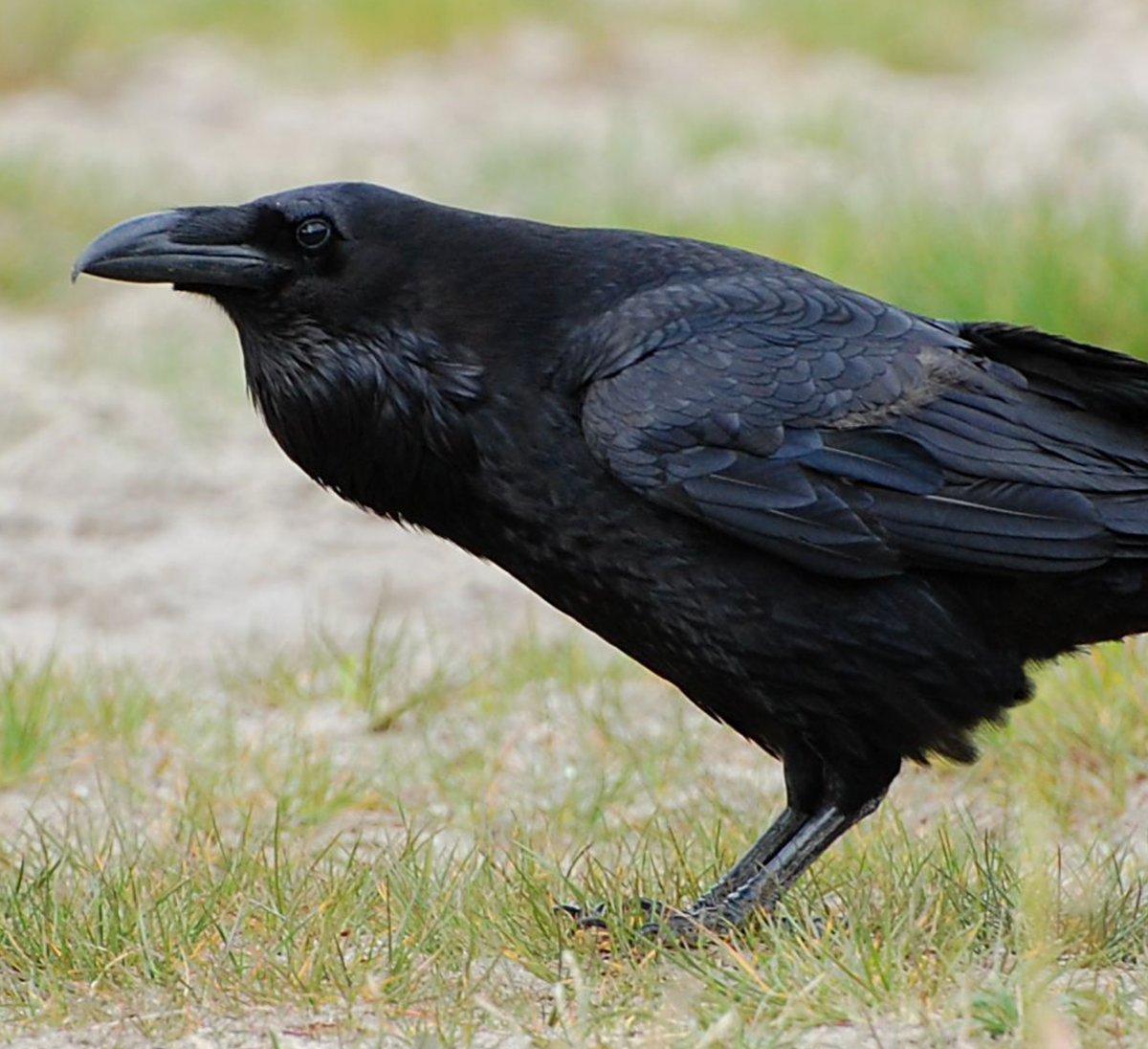
Corvidae is a cosmopolitan family of oscine passerine birds that contains the crows, ravens, rooks, magpies, jackdaws, jays, treepies, choughs, and nutcrackers. In colloquial terms, the crow family is made up of corvids; currently 139 species are included
Cuckoos are birds in the Cuculidae family, the sole taxon in the order Cuculiformes. The cuckoo family includes the common or European cuckoo, roadrunners, koels, malkohas, couas, coucals, and anis.
A deer or true deer is a hoofed ruminant ungulate of the family Cervidae. Cervidae is divided into subfamilies Cervinae and Capreolinae. Male deer of almost all species, as well as female reindeer, grow and shed new antlers each year.
Oceanic dolphins or Delphinidae are a widely distributed family of dolphins that live in the sea. Close to forty extant species are recognised.
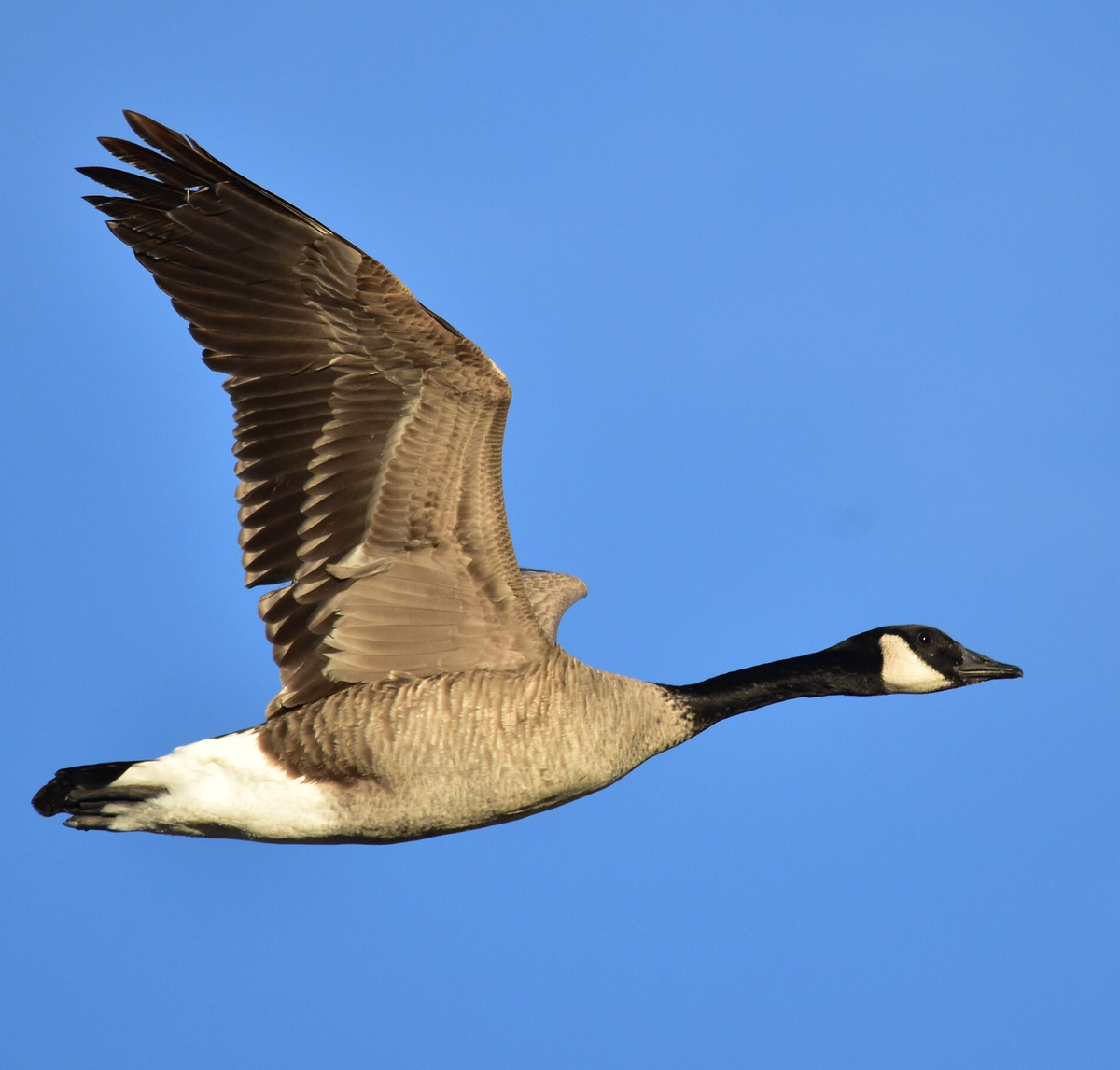
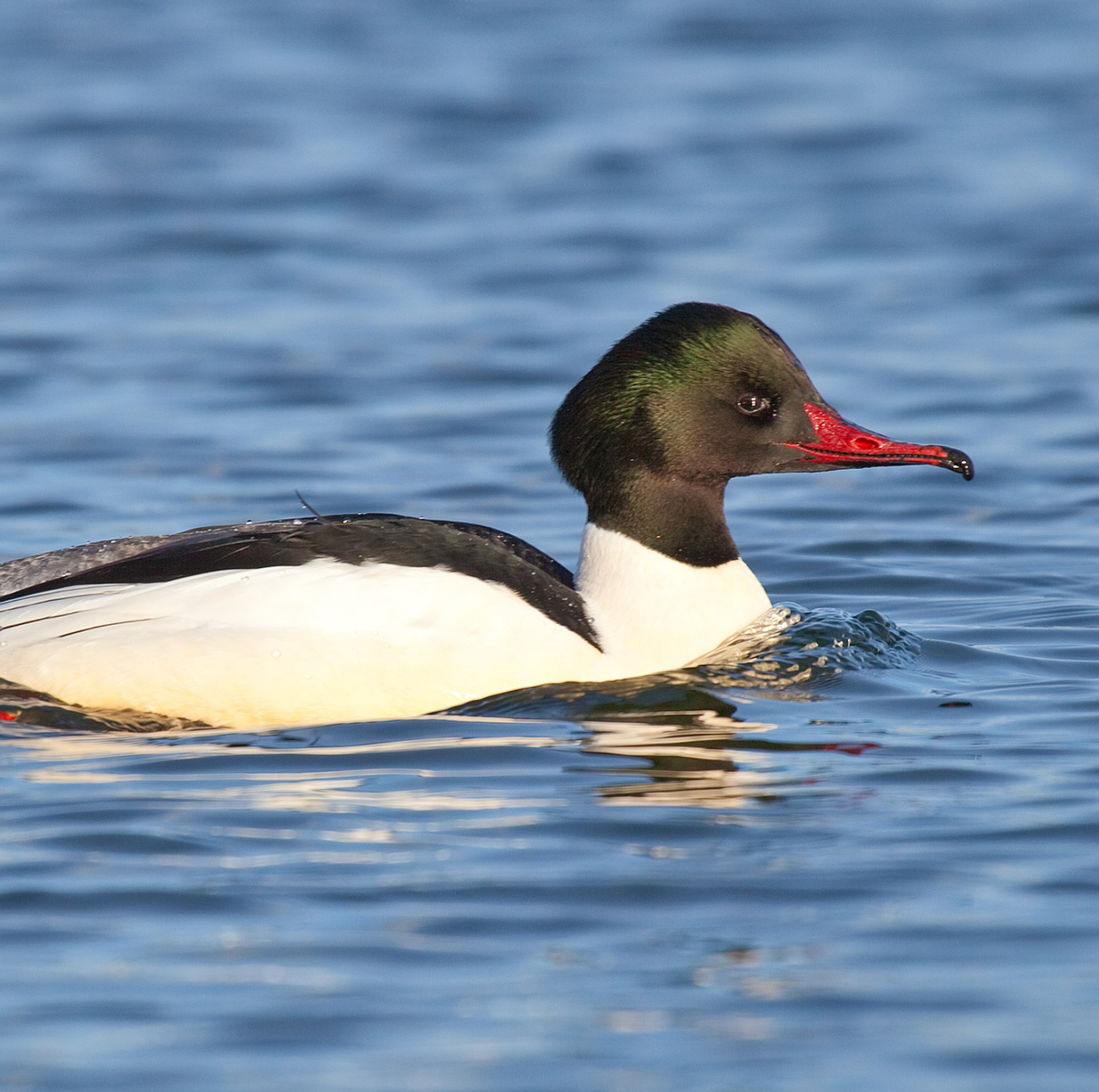
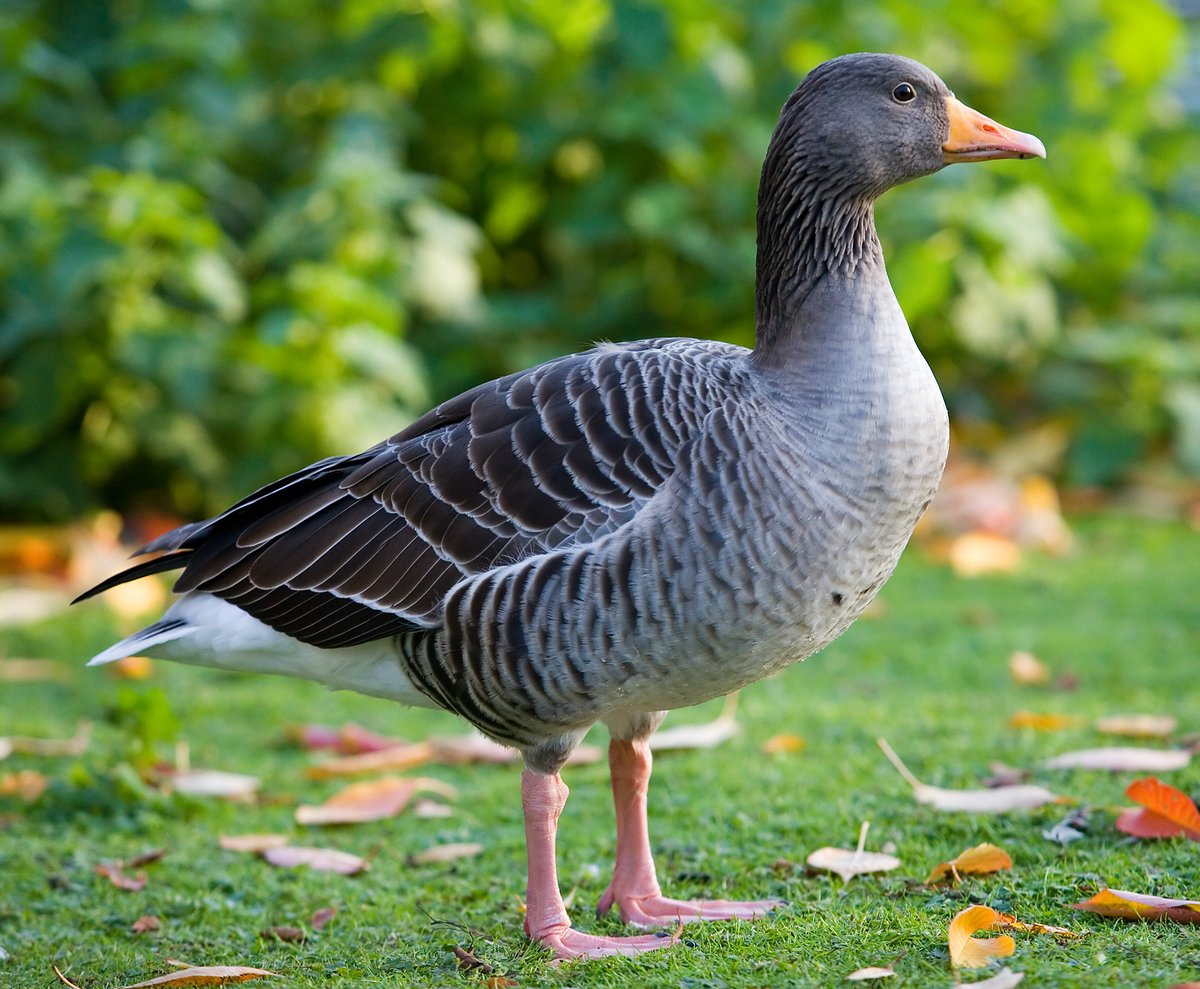
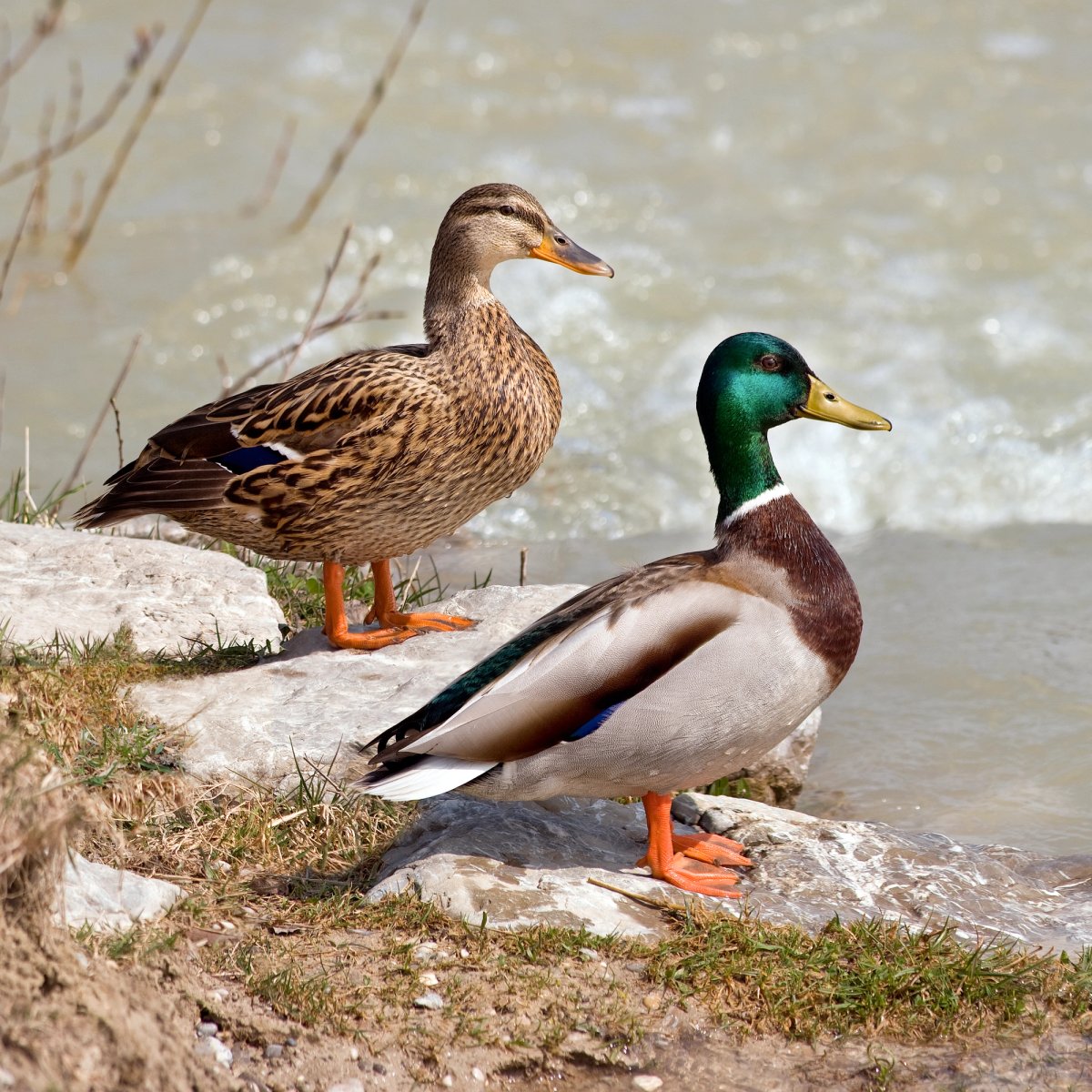
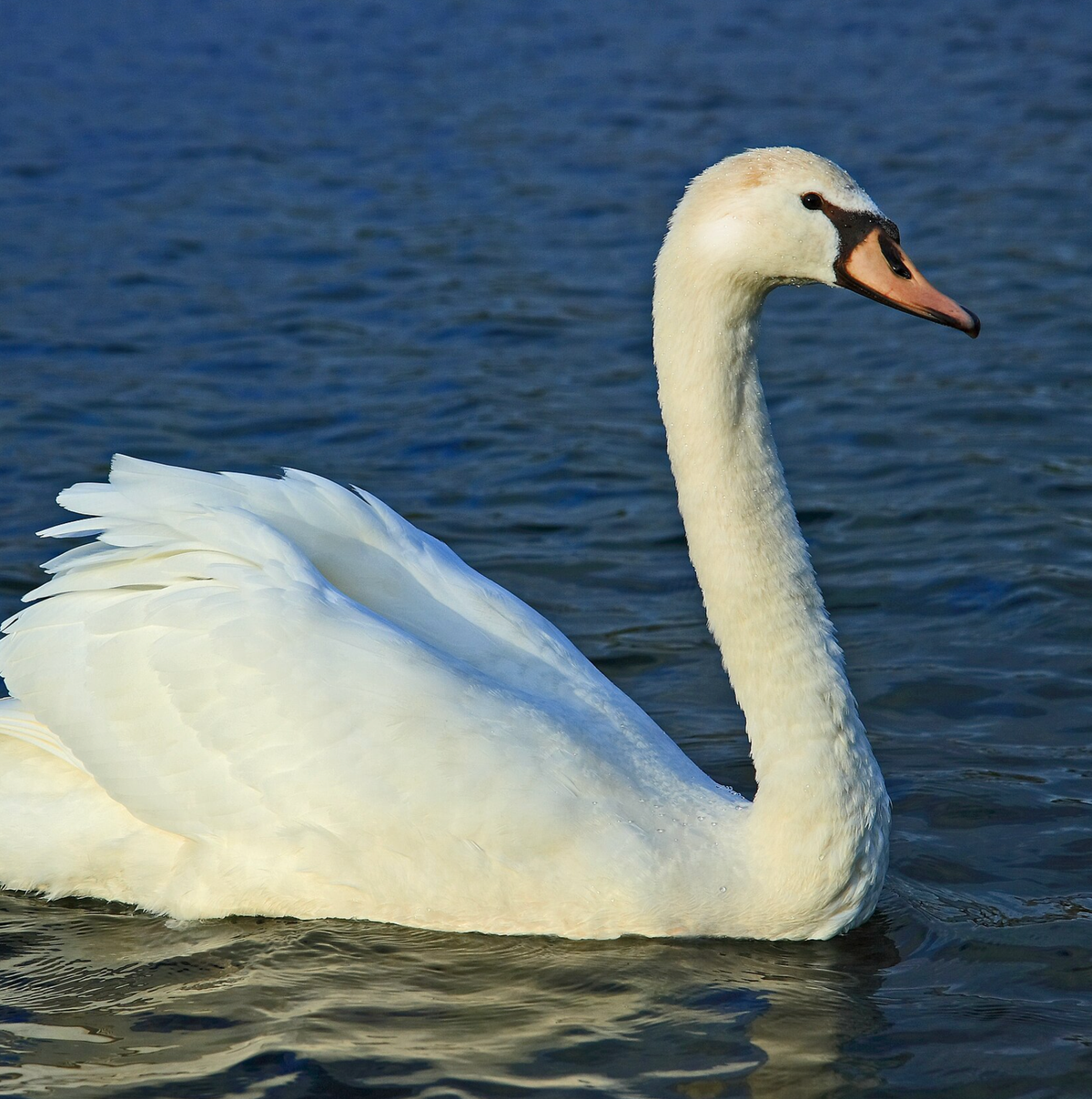
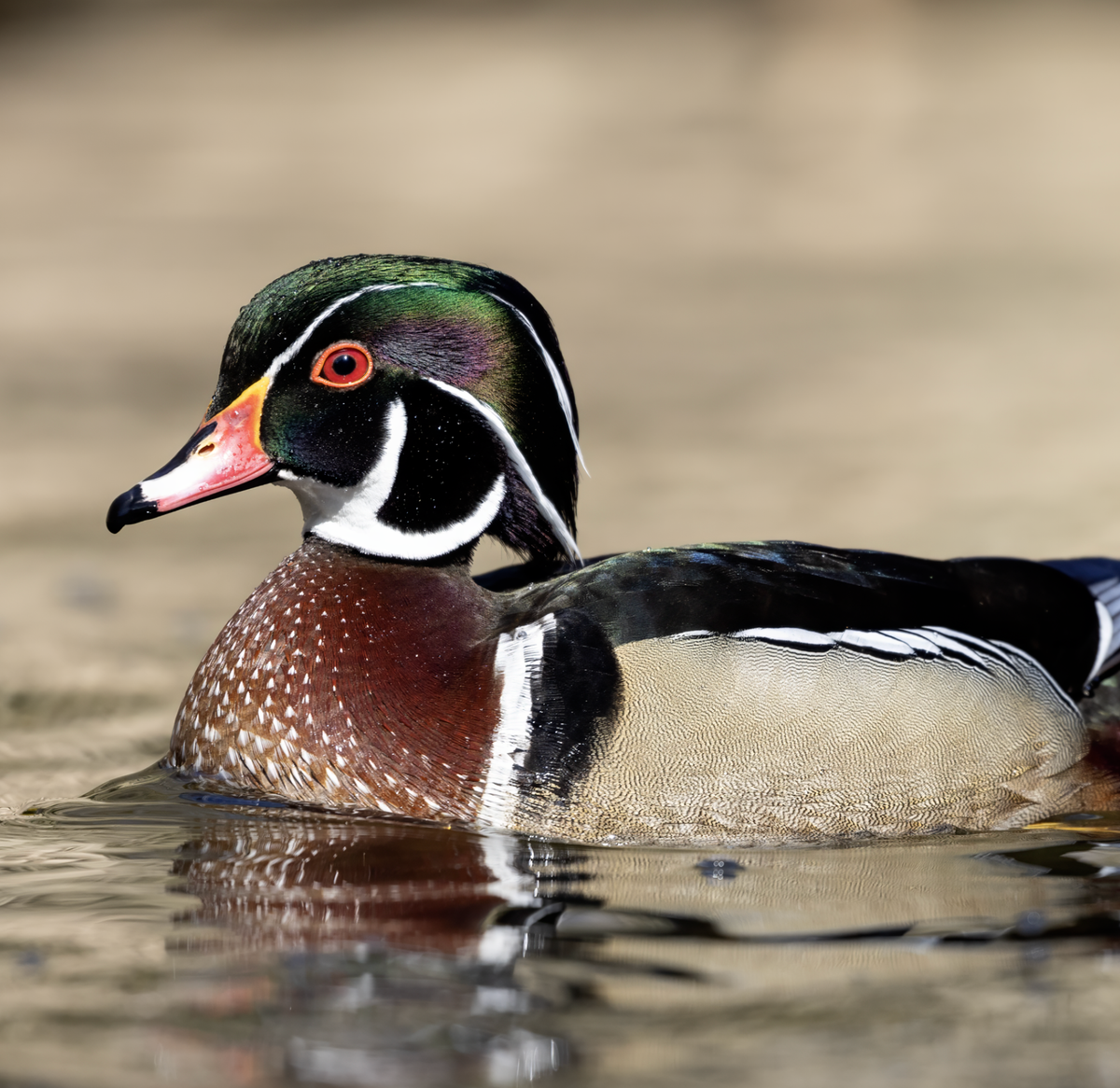
The Anatidae are the biological family of water birds that includes ducks, geese, and swans. The family has a cosmopolitan distribution, occurring on all the world's continents except Antarctica. These birds are adapted for swimming, floating on the water surface, and, in some cases, diving in at least shallow water.
Vespertilionidae is a family of microbats, of the order Chiroptera, flying, insect-eating mammals variously described as the common, vesper, or simple nosed bats.
The falcons and caracaras are around 65 species of diurnal birds of prey that make up the family Falconidae.
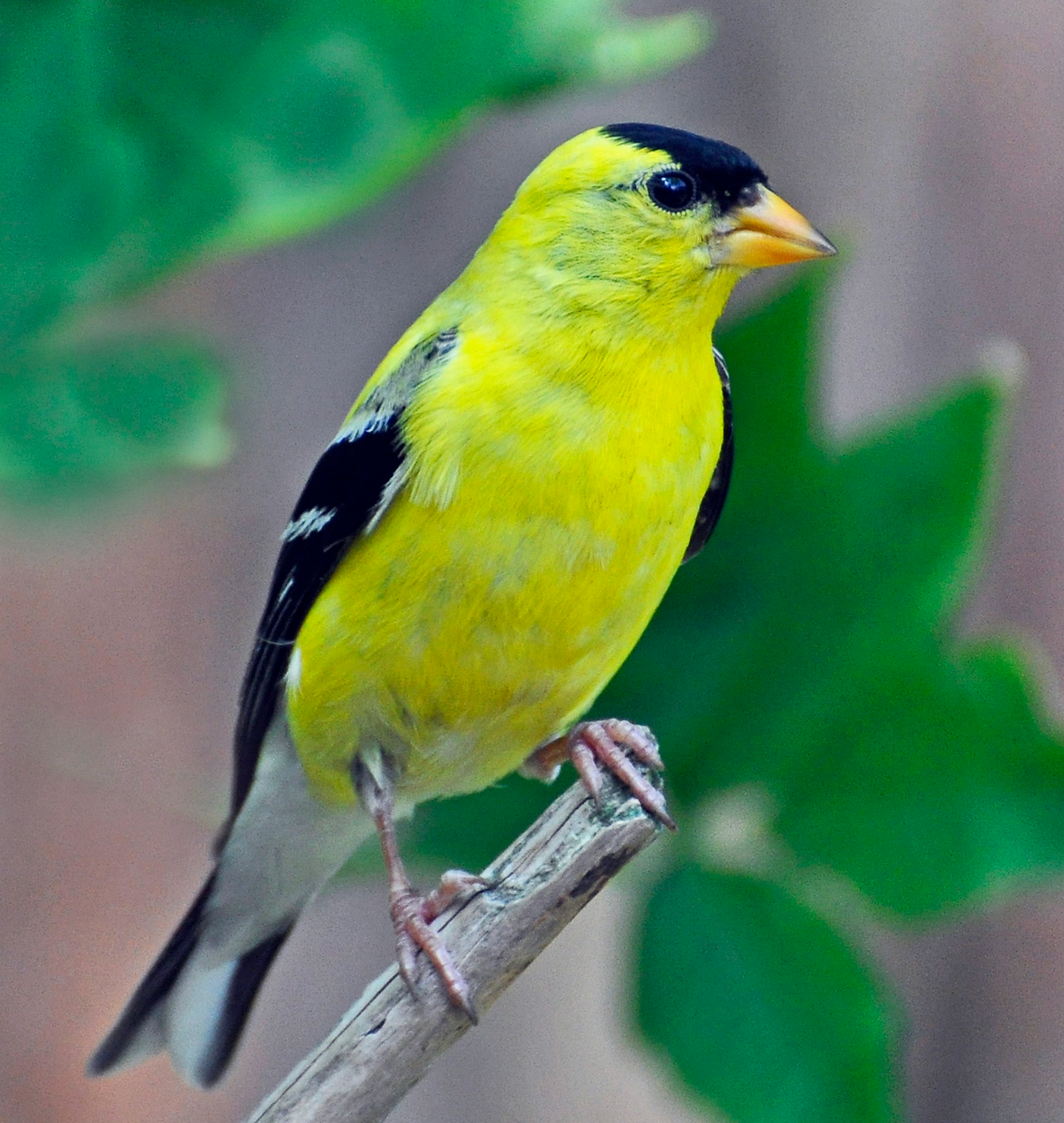
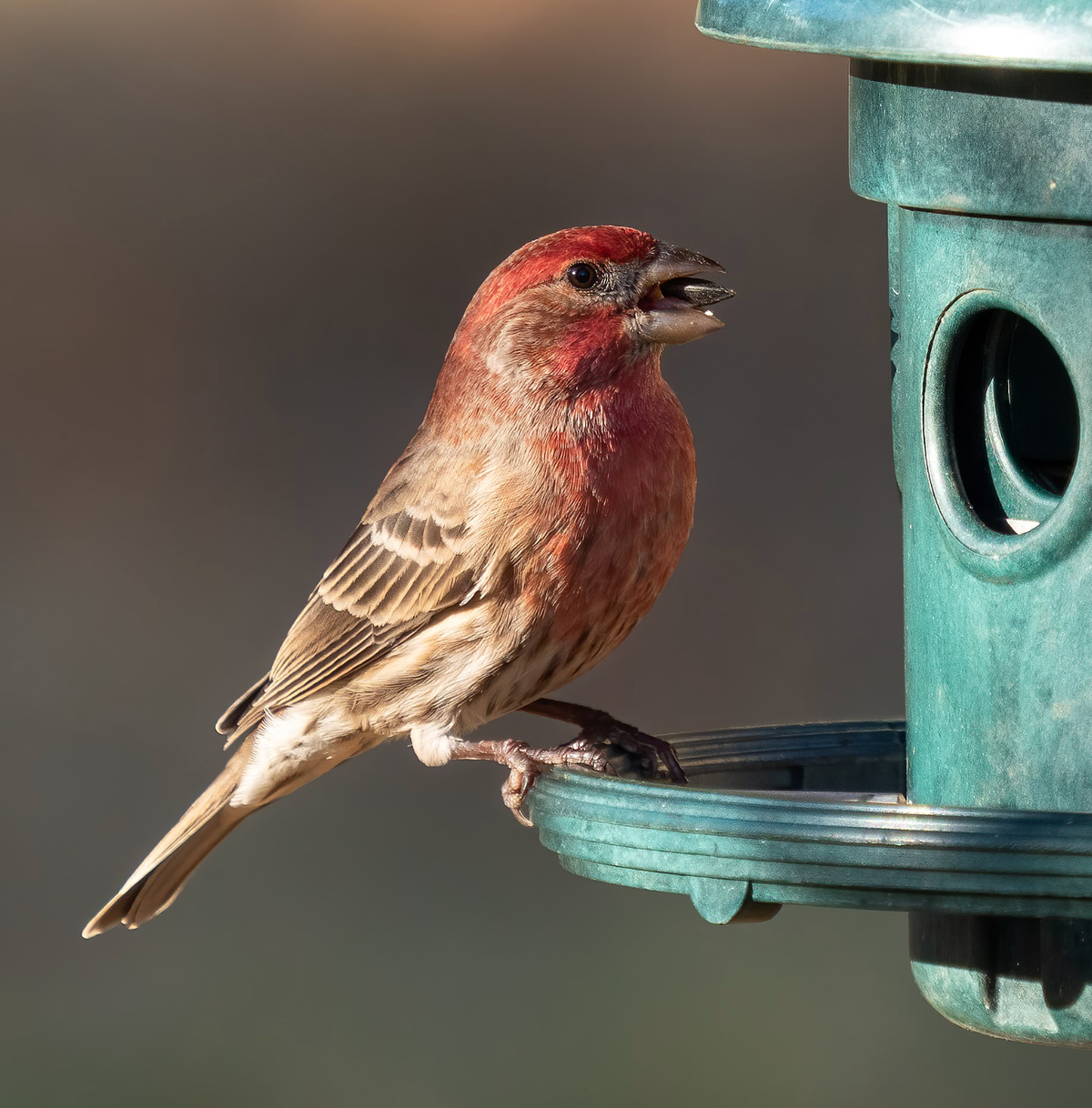
The true finches are small to medium-sized passerine birds in the family Fringillidae. Finches generally have stout conical bills adapted for eating seeds and nuts and often have colourful plumage. They occupy a great range of habitats where they are usually resident and do not migrate.
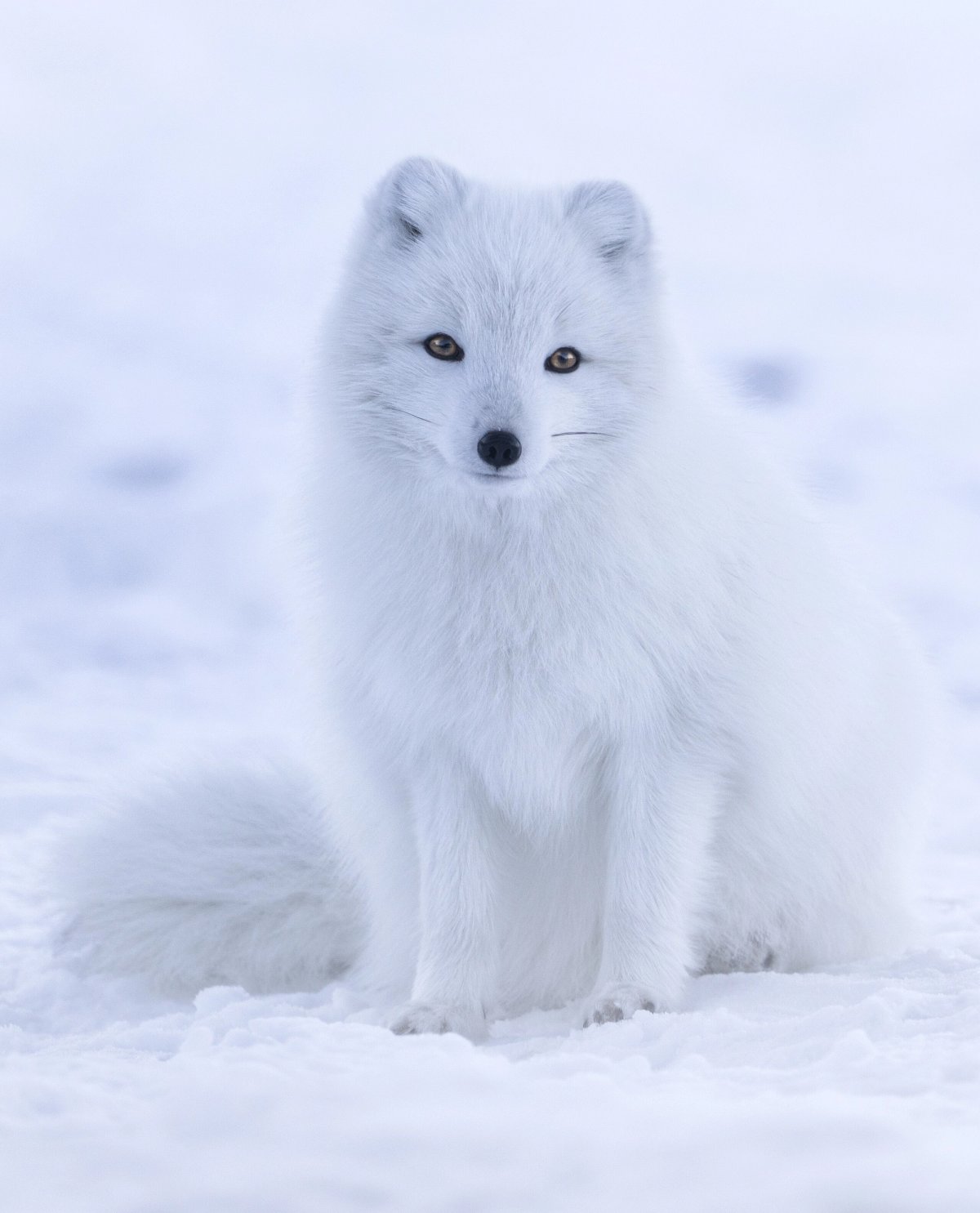
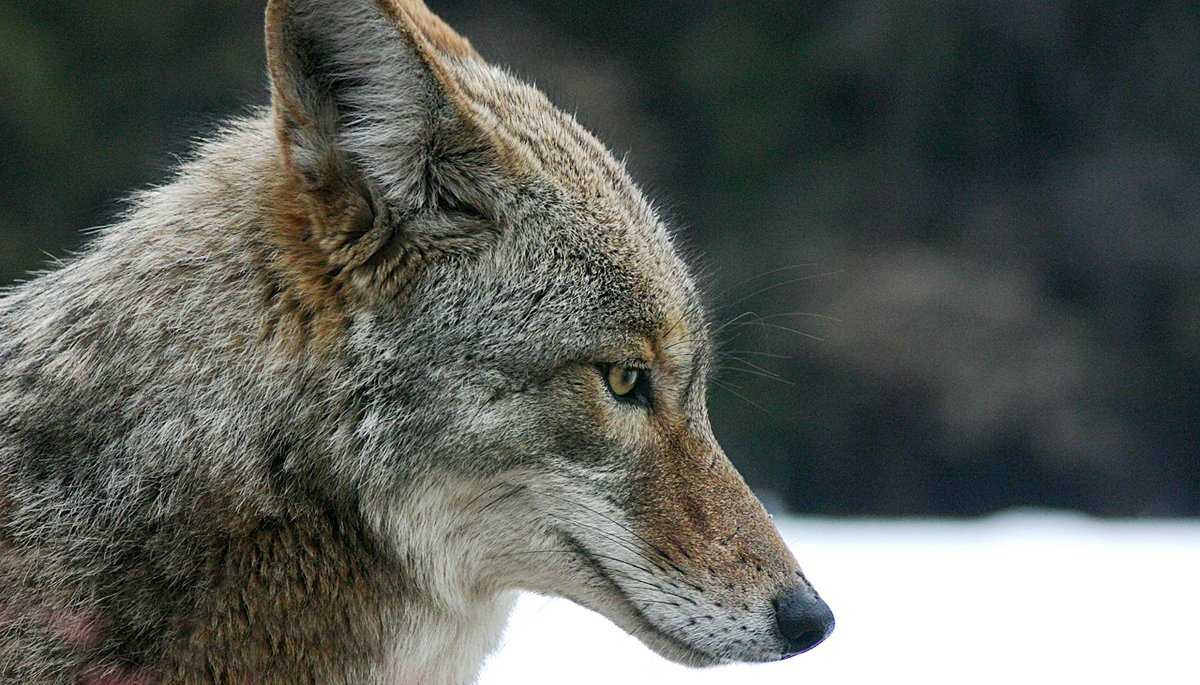
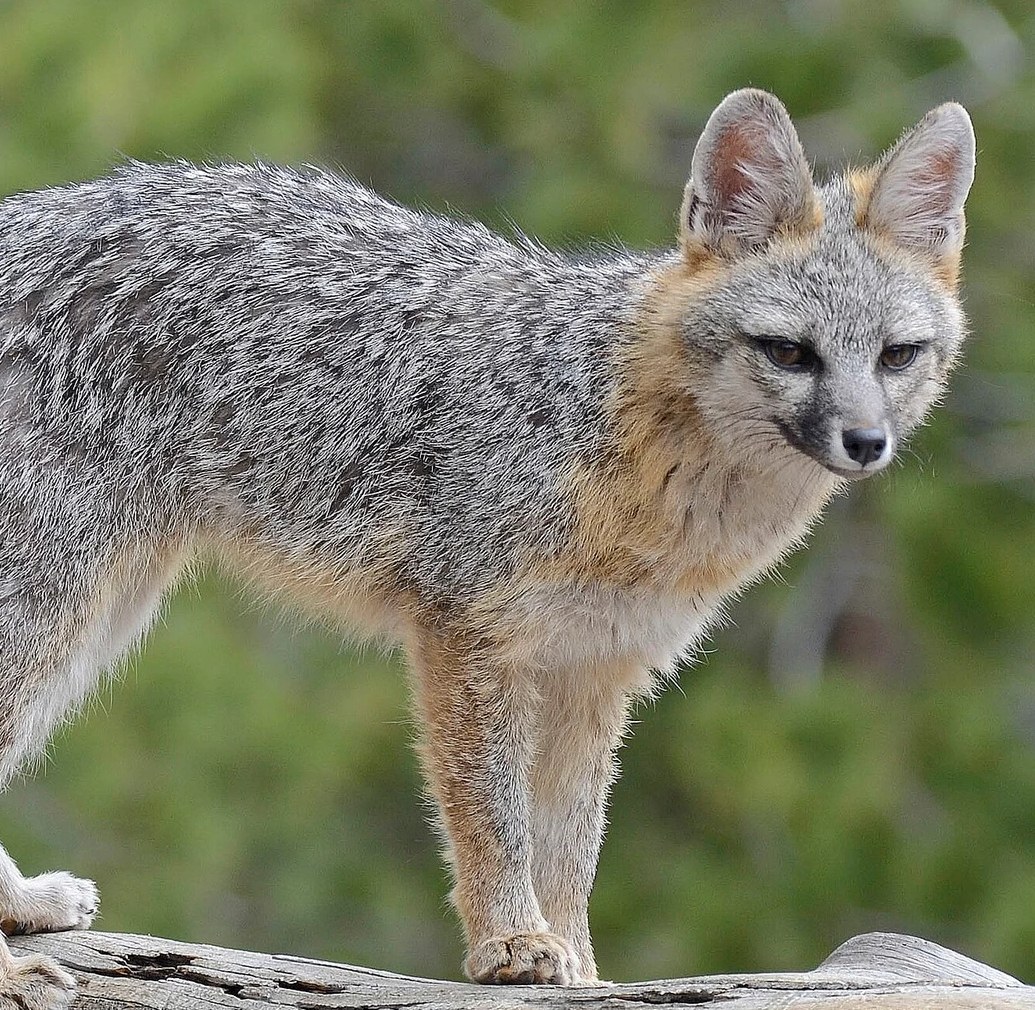
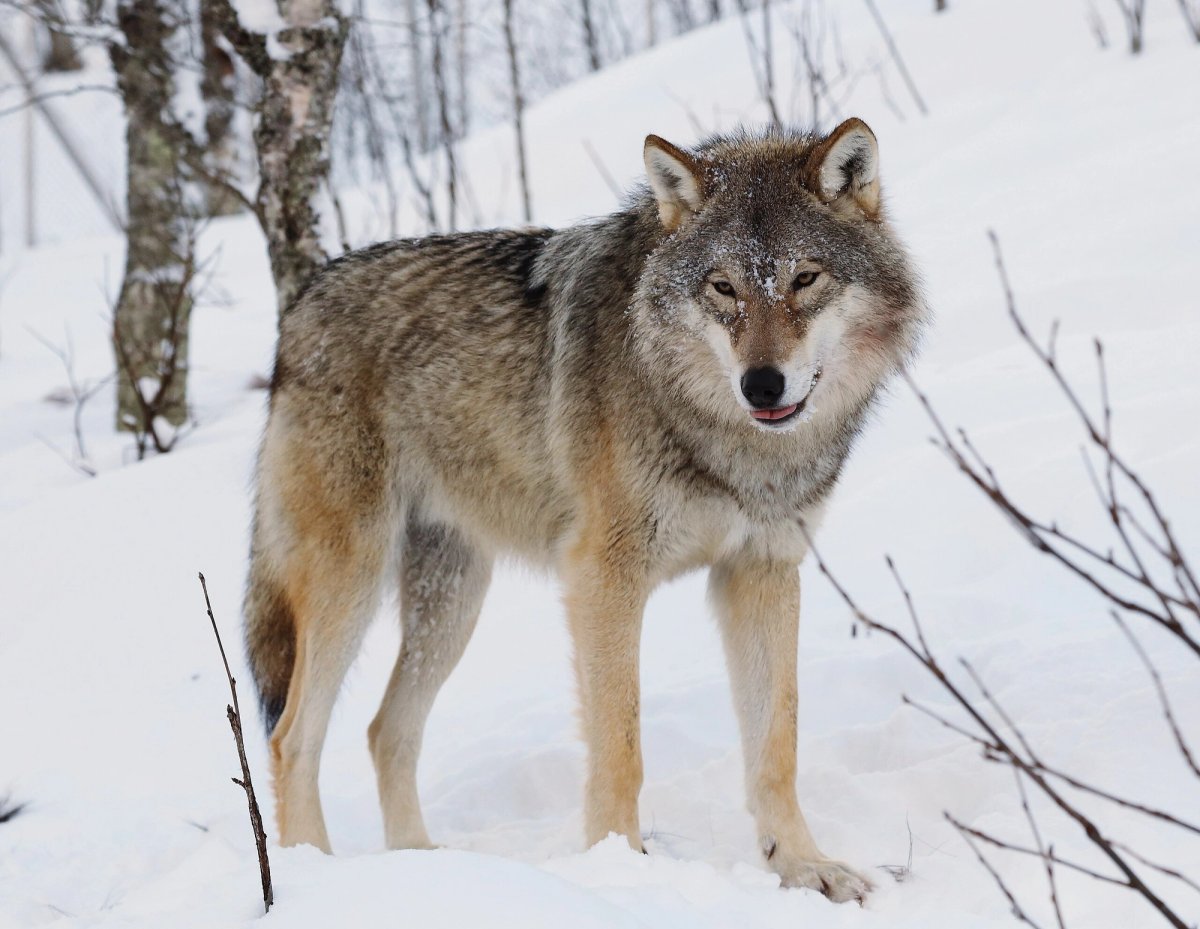
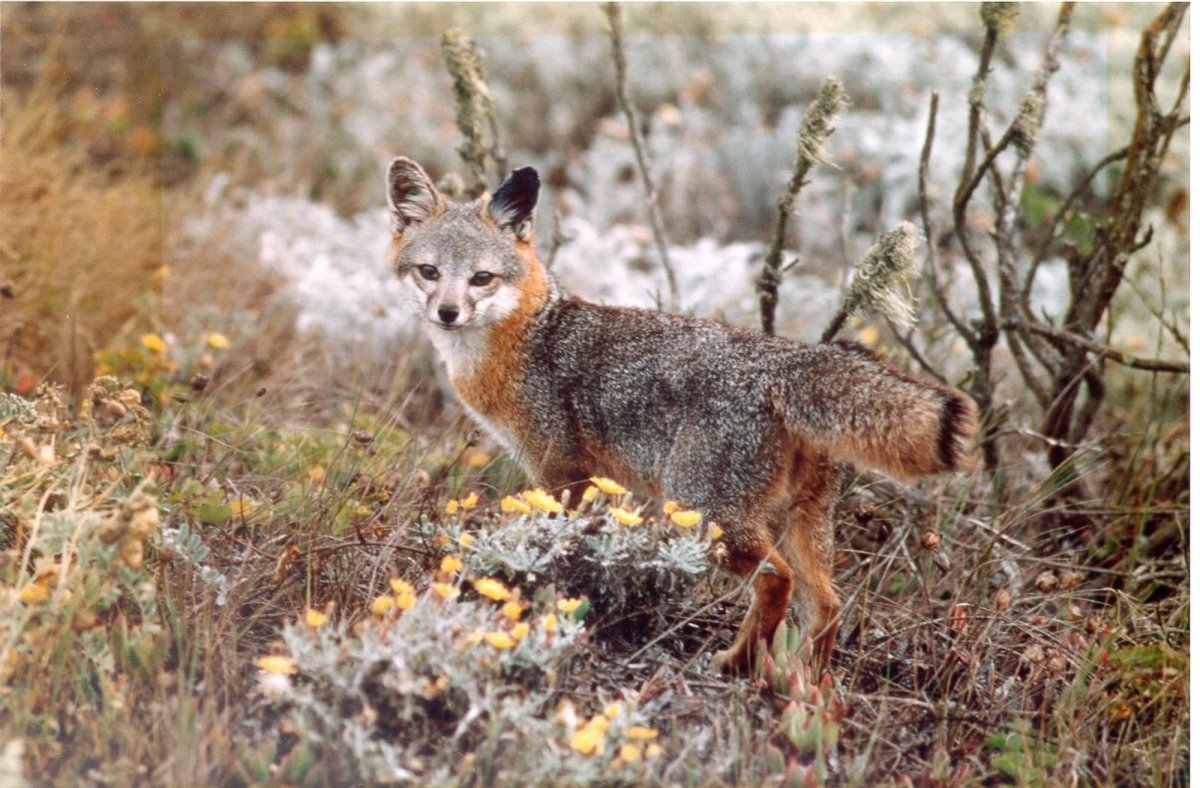
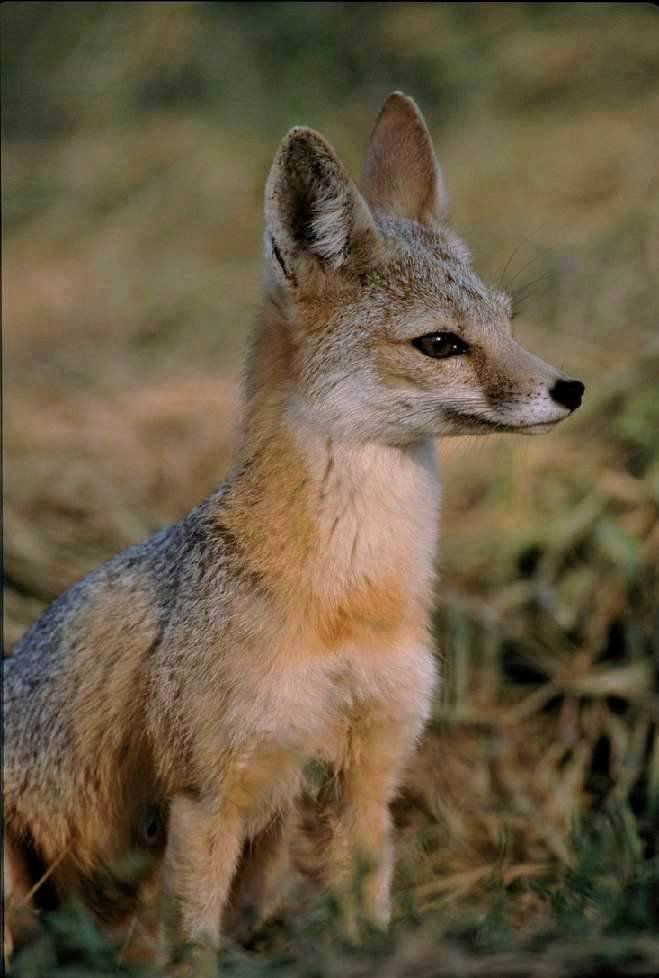
Canidae is a biological family of caniform carnivorans, constituting a clade. A member of this family is a canid, colloquially referred to as dogs. The family includes three subfamilies: the Caninae, and the extinct Borophaginae and Hesperocyoninae.
The Molossidae, or free-tailed bats, are a family of bats within the order Chiroptera. The Molossidae is the fourth-largest family of bats, containing about 110 species as of 2012.
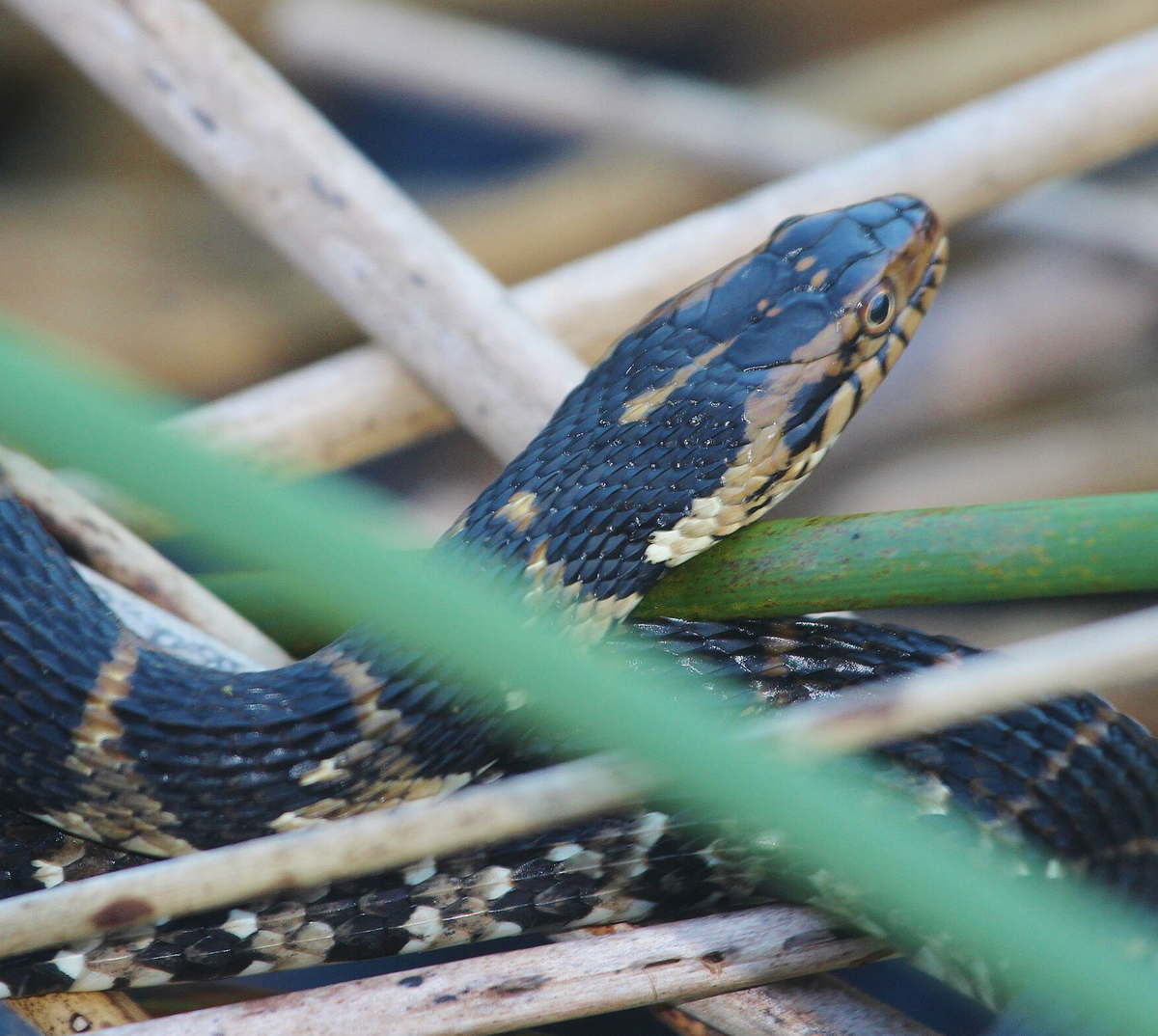
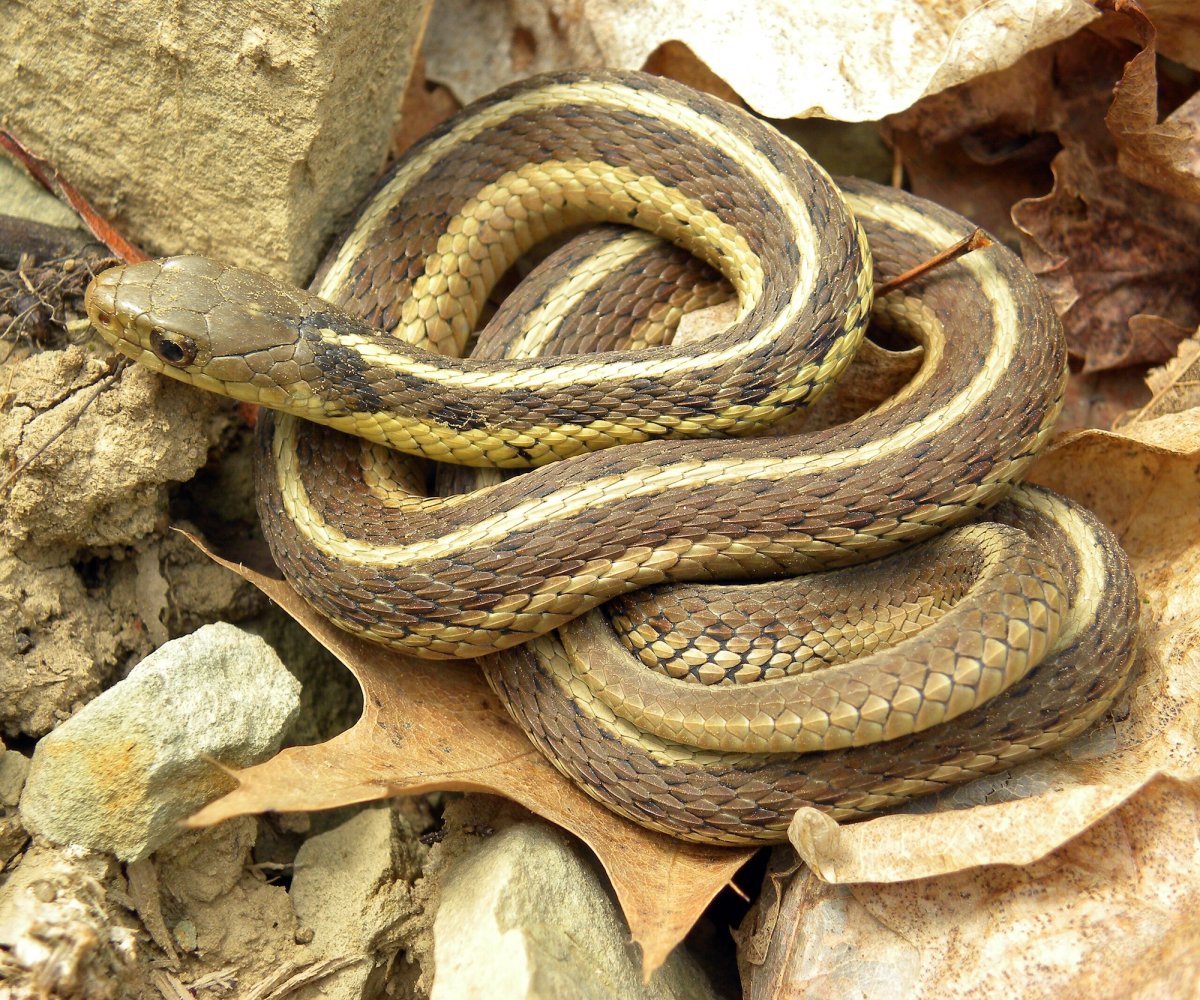
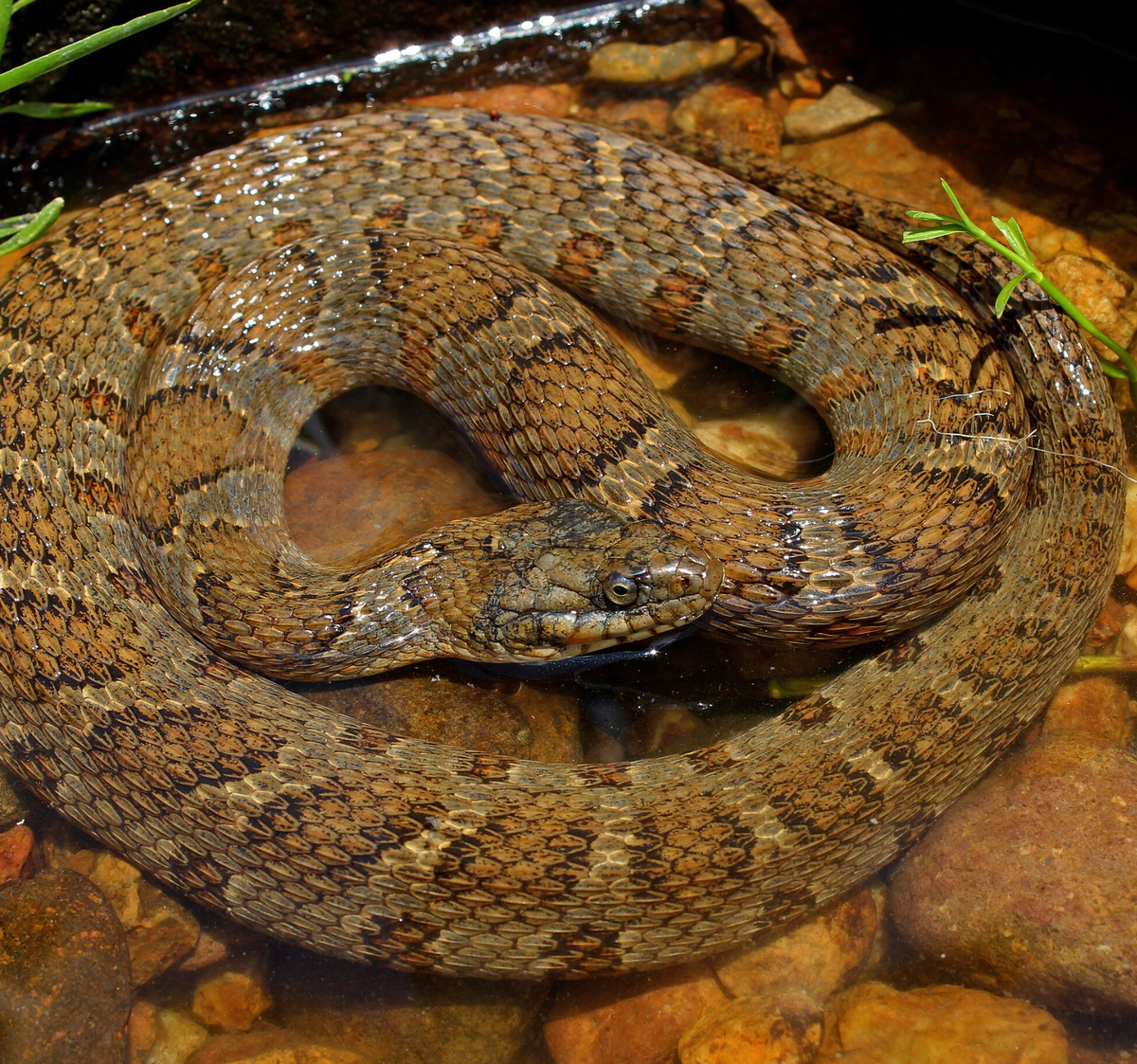
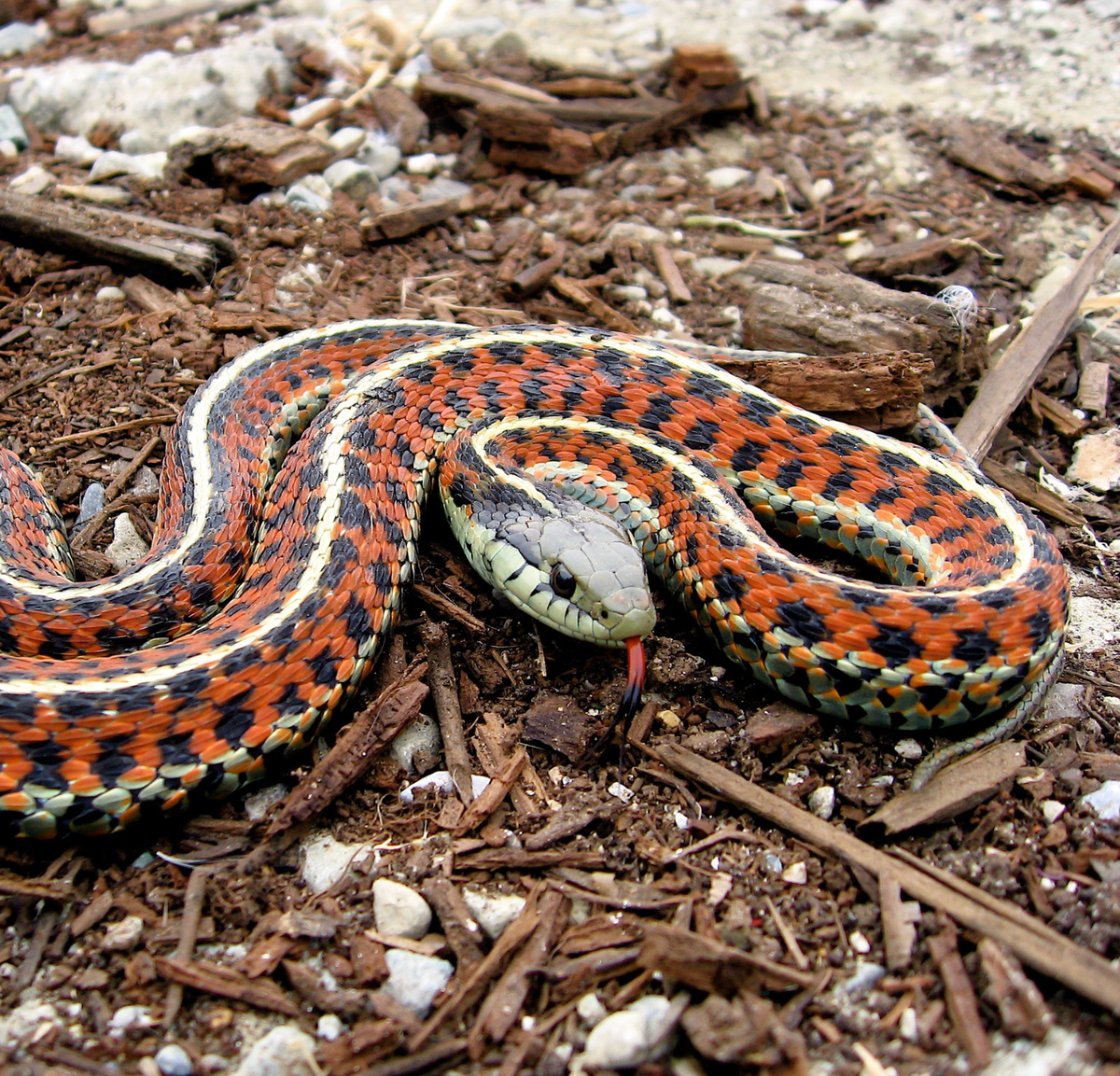
The Natricinae are a subfamily of colubroid snakes, sometimes referred to as a family. The subfamily comprises 36 genera. Members include many very common snake species, such as the European grass snakes, and the North American water snakes and garter snakes.
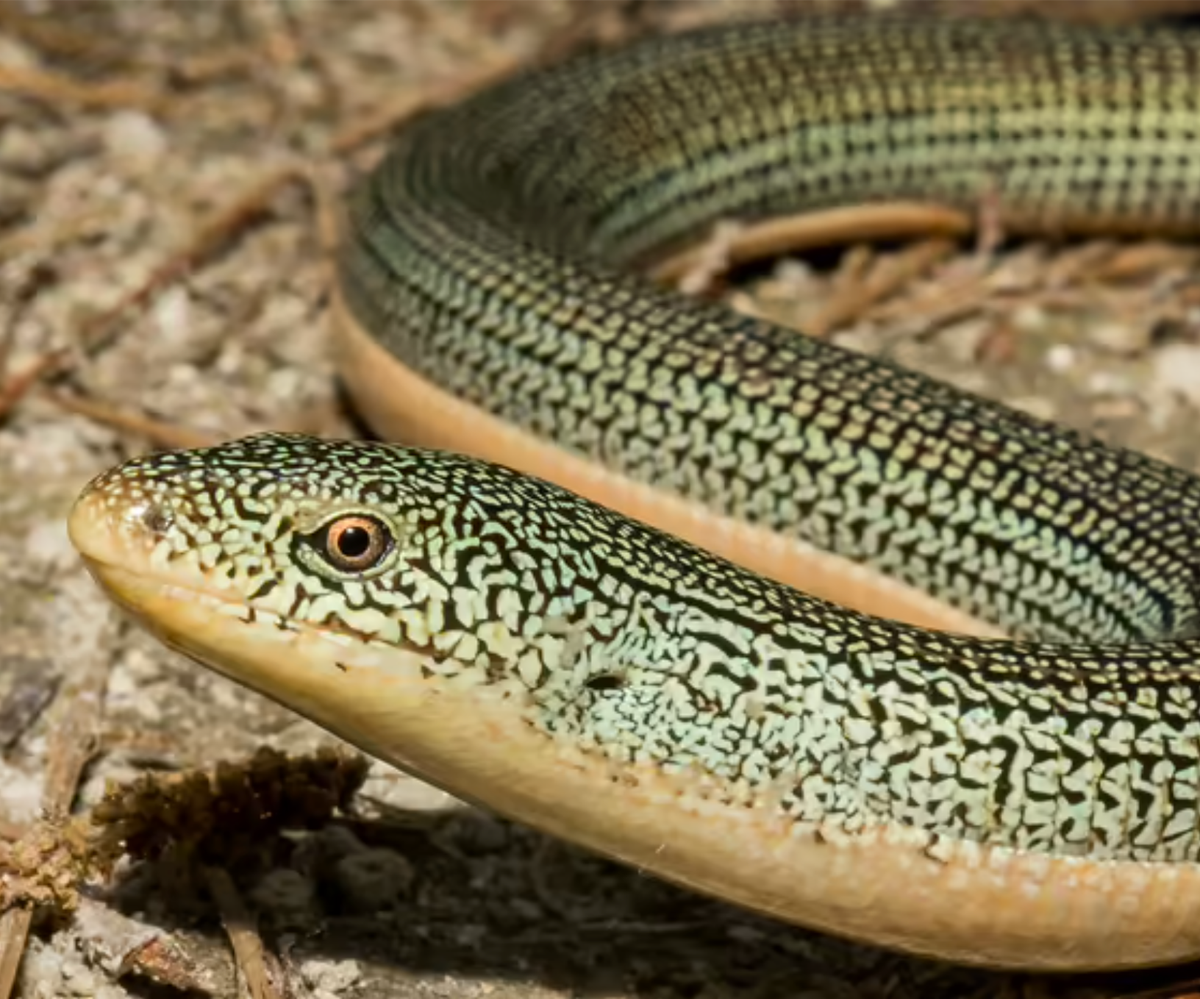
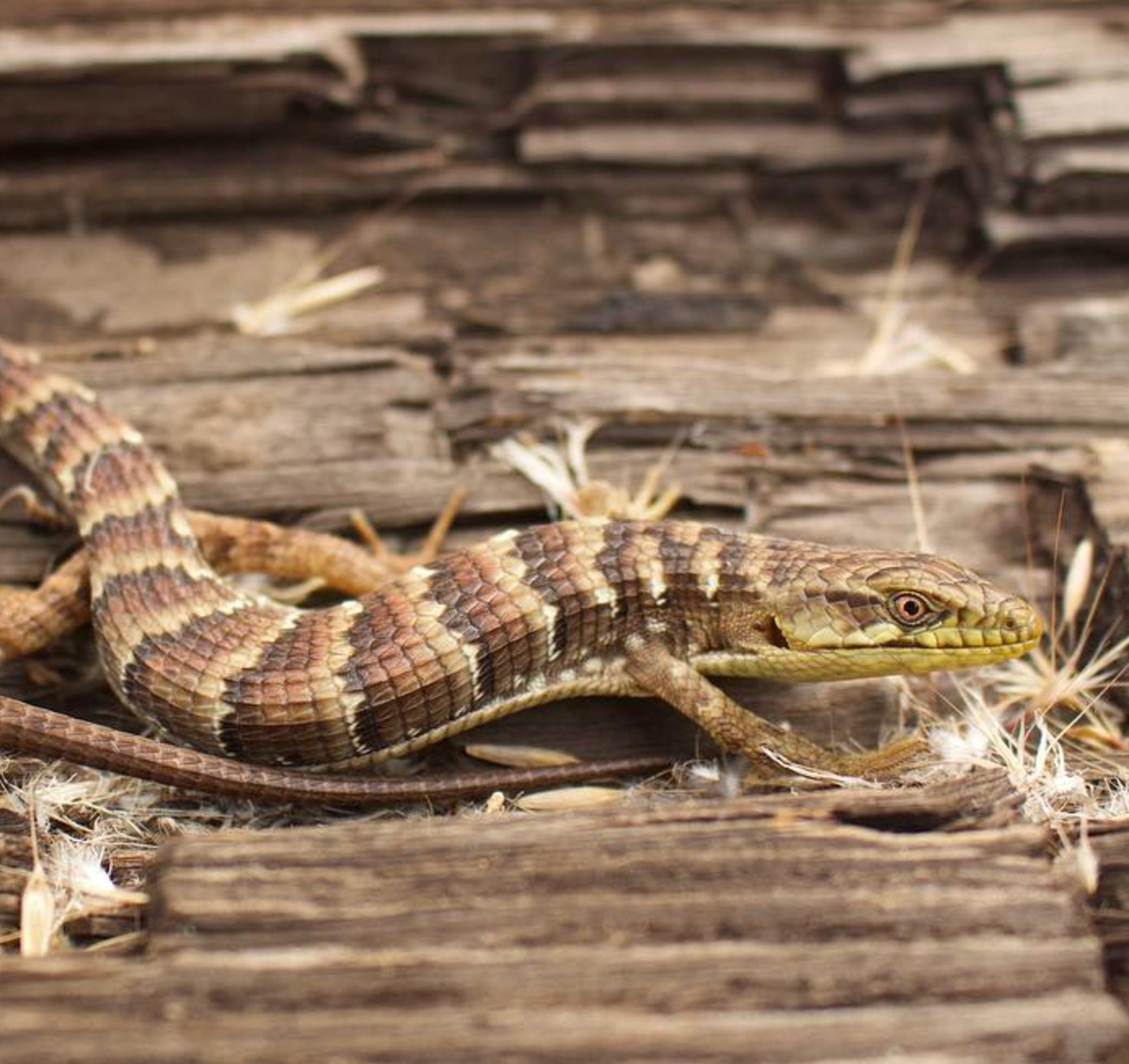
Anguidae is a large and diverse family of lizards native to the Northern Hemisphere. It contains 9 genera and 89 extant species. Common characteristics of this group include a reduced supratemporal arch, striations on the medial faces of tooth crowns, osteoderms, and a lateral fold in the skin of most taxa.
Dactyloidae are a family of lizards commonly known as anoles and native to warmer parts of the Americas, ranging from southeastern United States to Paraguay.
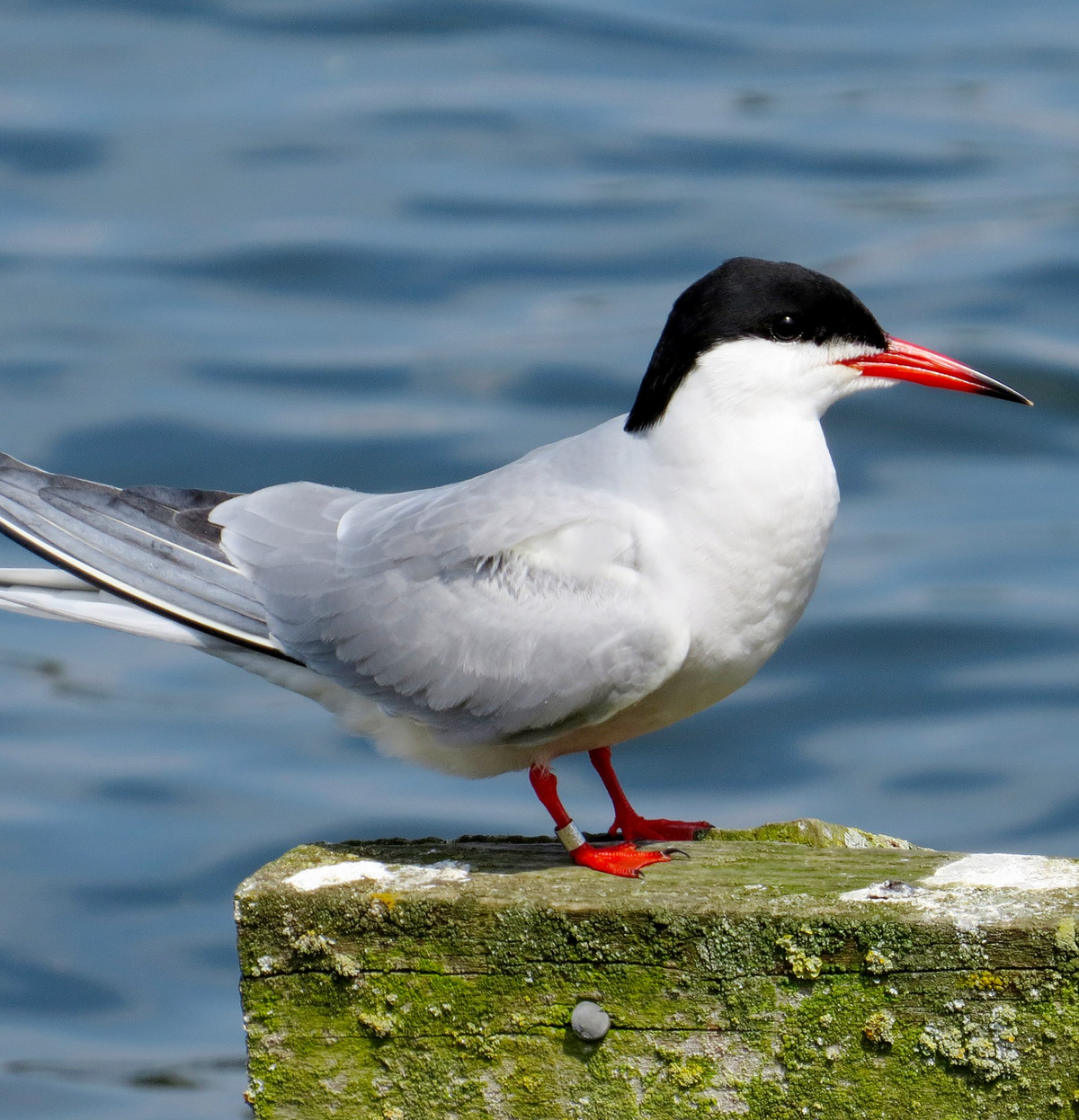
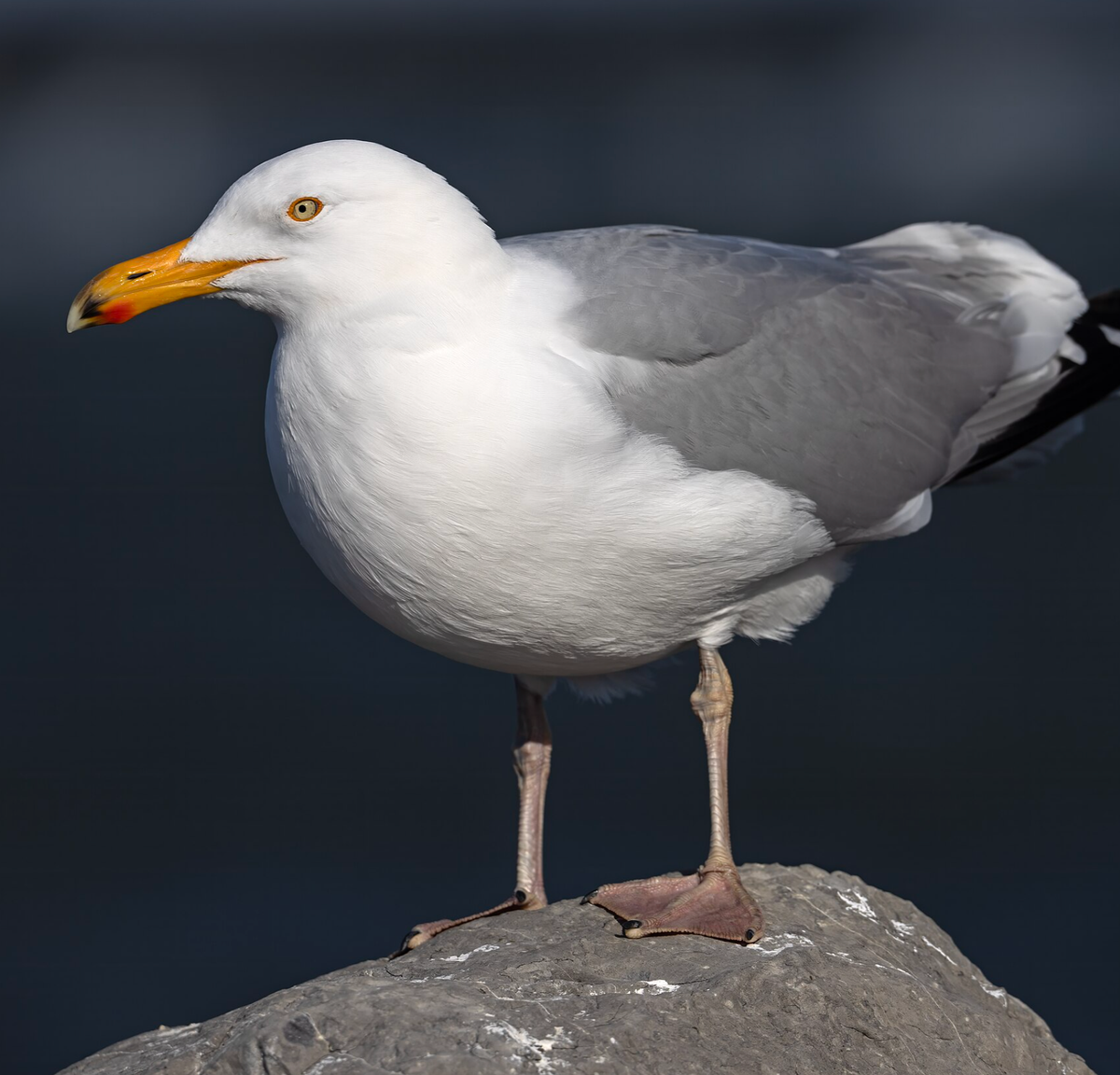
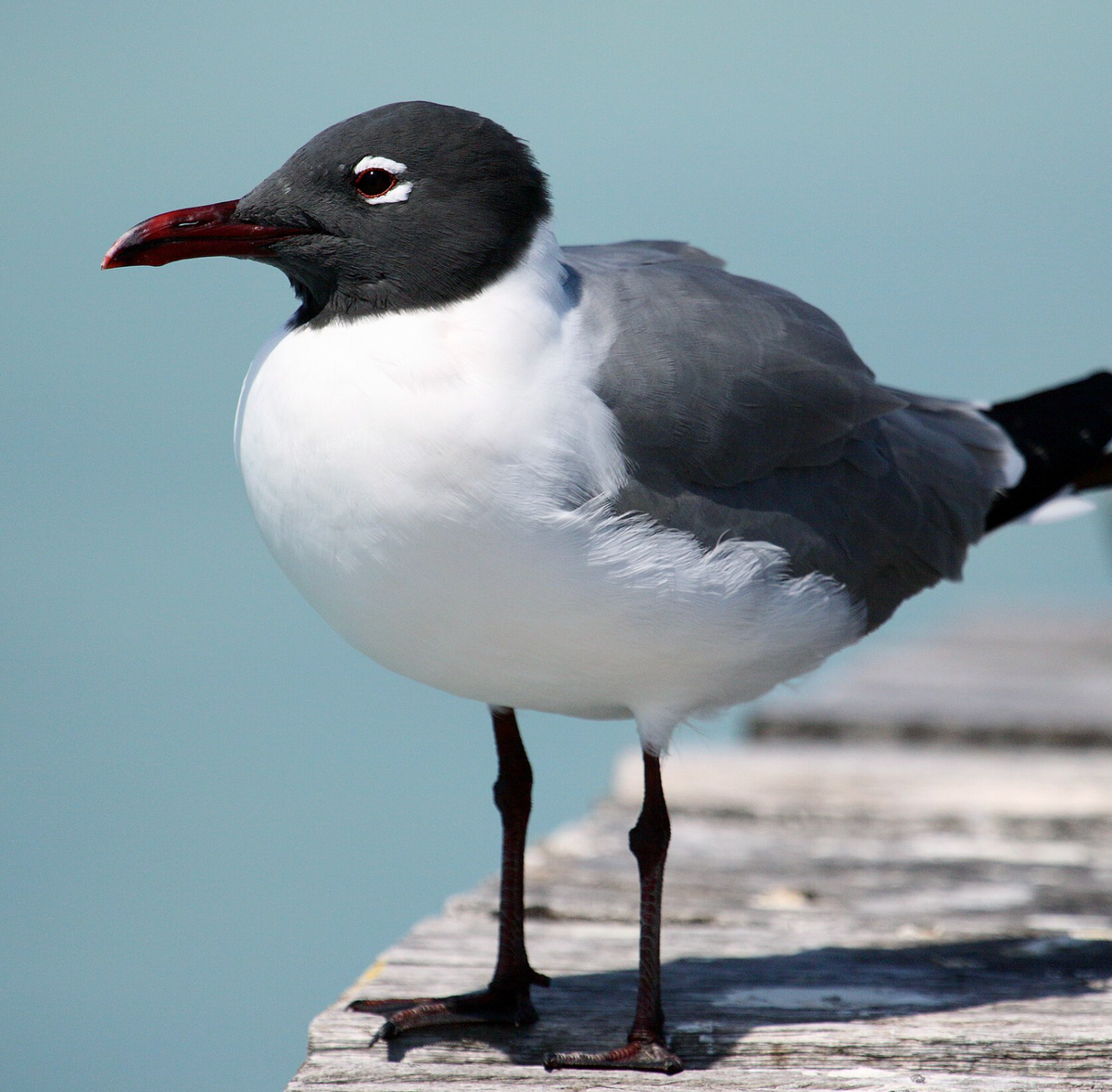
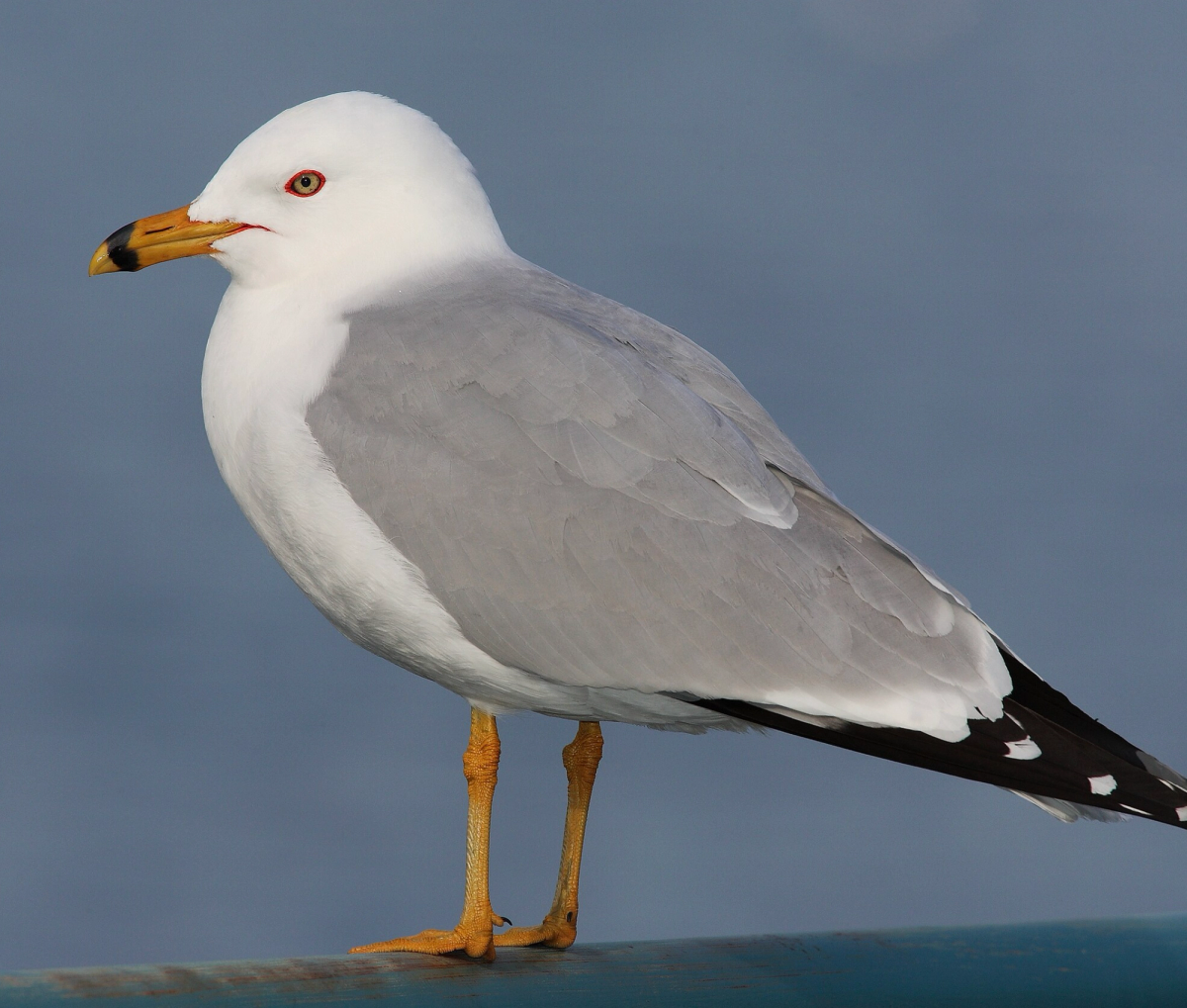
Laridae is a family of seabirds in the order Charadriiformes that includes the gulls, terns, noddies, and skimmers. It includes around 100 species arranged into 22 genera. They are an adaptable group of mostly aerial birds found worldwide.
The Accipitridae is one of the four families within the order Accipitriformes, and is a family of small to large birds of prey with strongly hooked bills and variable morphology based on diet.
Herons are long-legged, long-necked, freshwater and coastal birds in the family Ardeidae, with 75 recognised species, some of which are referred to as egrets or bitterns rather than herons.
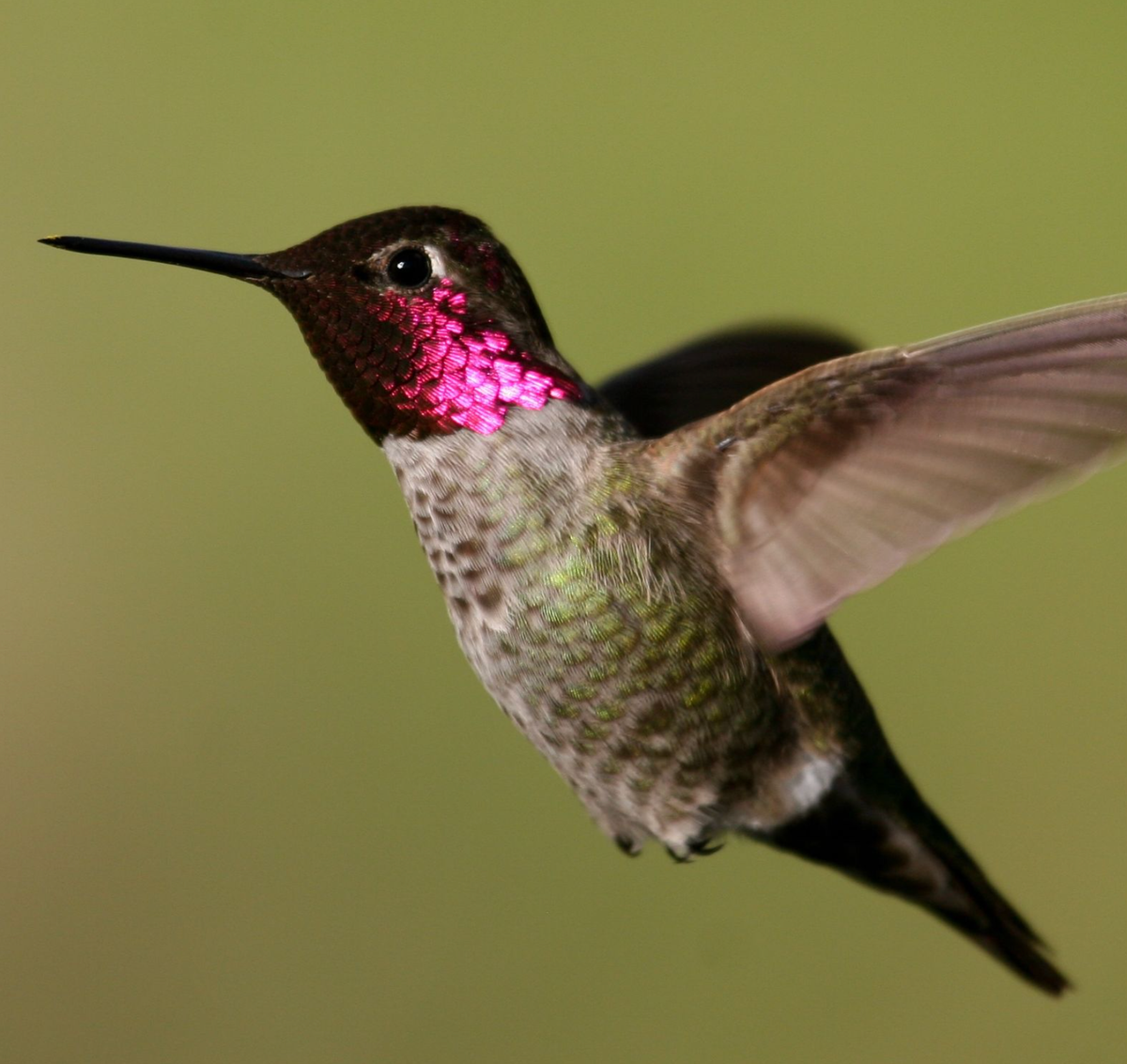
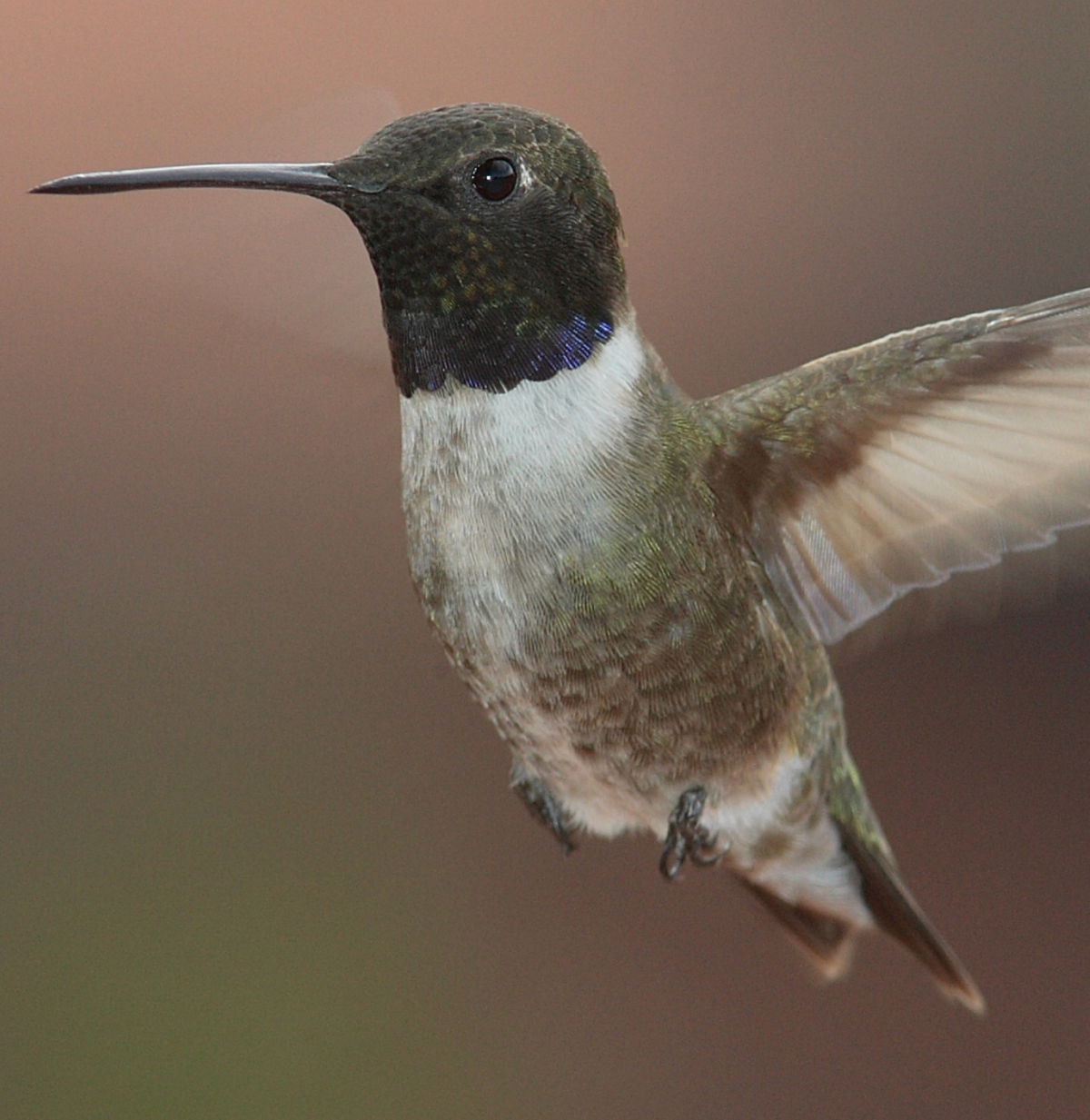
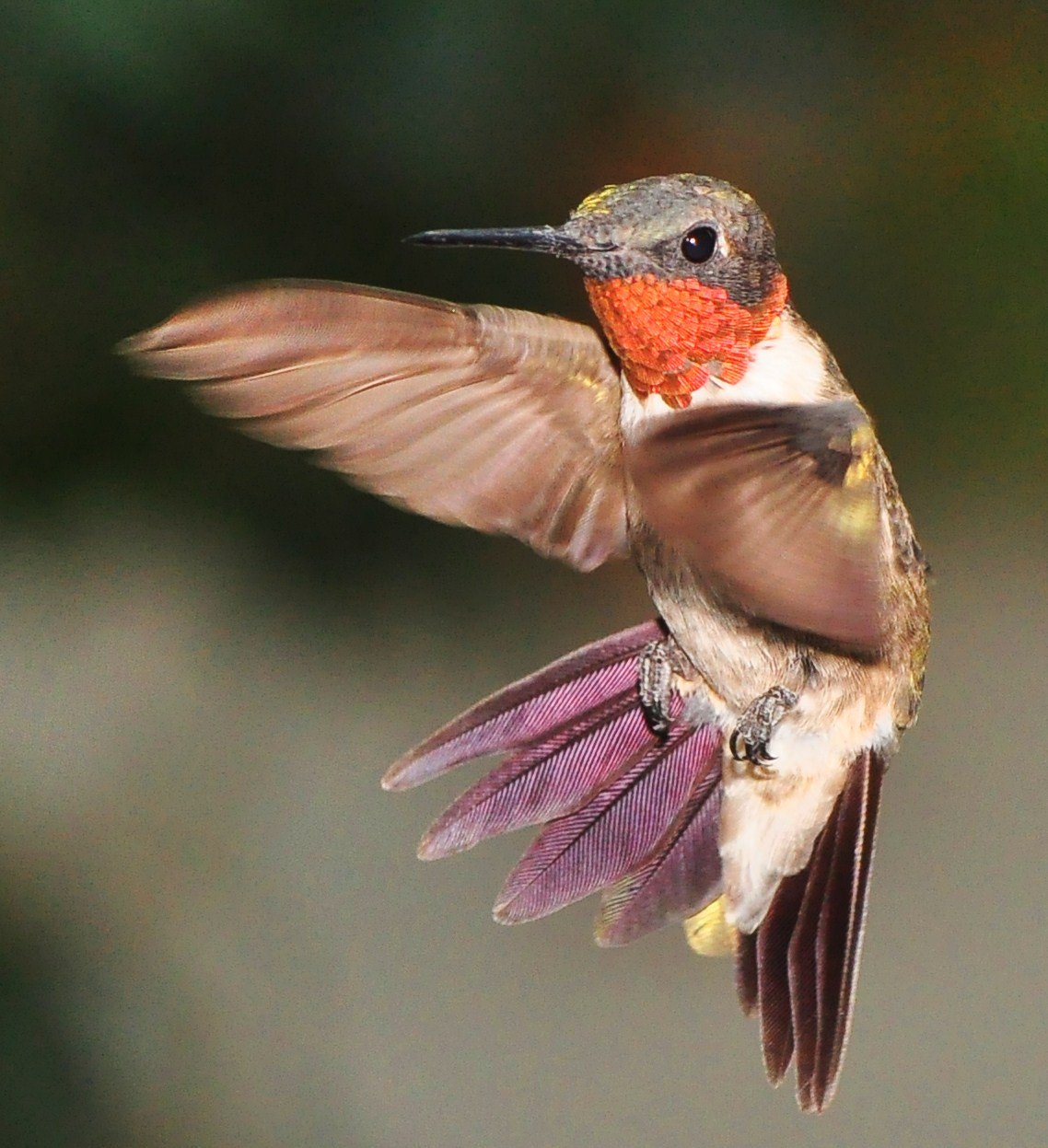
Hummingbirds are birds native to the Americas and comprise the biological family Trochilidae. With approximately 375 species and 113 genera, they occur from Alaska to Tierra del Fuego, but most species are found in Central and South America.
Kingfishers are a family, the Alcedinidae, of small to medium-sized, brightly coloured birds in the order Coraciiformes.
Plethodontidae, or lungless salamanders, are a family of salamanders. With over 500 species, lungless salamanders are by far the largest family of salamanders in terms of their diversity.
Trichechidae is a family of sirenians that includes all living manatees and several extinct genera.
The mimids are the New World family of passerine birds, Mimidae, that includes thrashers, mockingbirds, tremblers, and the New World catbirds.
Ambystomatidae is a family of salamanders belonging to the Suborder Salamandroidea in the class Amphibia. It contains two genera, Ambystoma and Dicamptodon.
The family Talpidae includes the true moles who are small insectivorous mammals of the order Eulipotyphla.
The family Proteidae is a group of aquatic salamanders found today in the Balkan Peninsula and North America.
The Kinosternidae are a family of mostly small turtles that includes the mud turtles and musk turtles. The family contains 25 species within four genera.
The New World quail are small birds, that despite their similar appearance and habits to the Old World quail, belong to a different family known as the Odontophoridae.
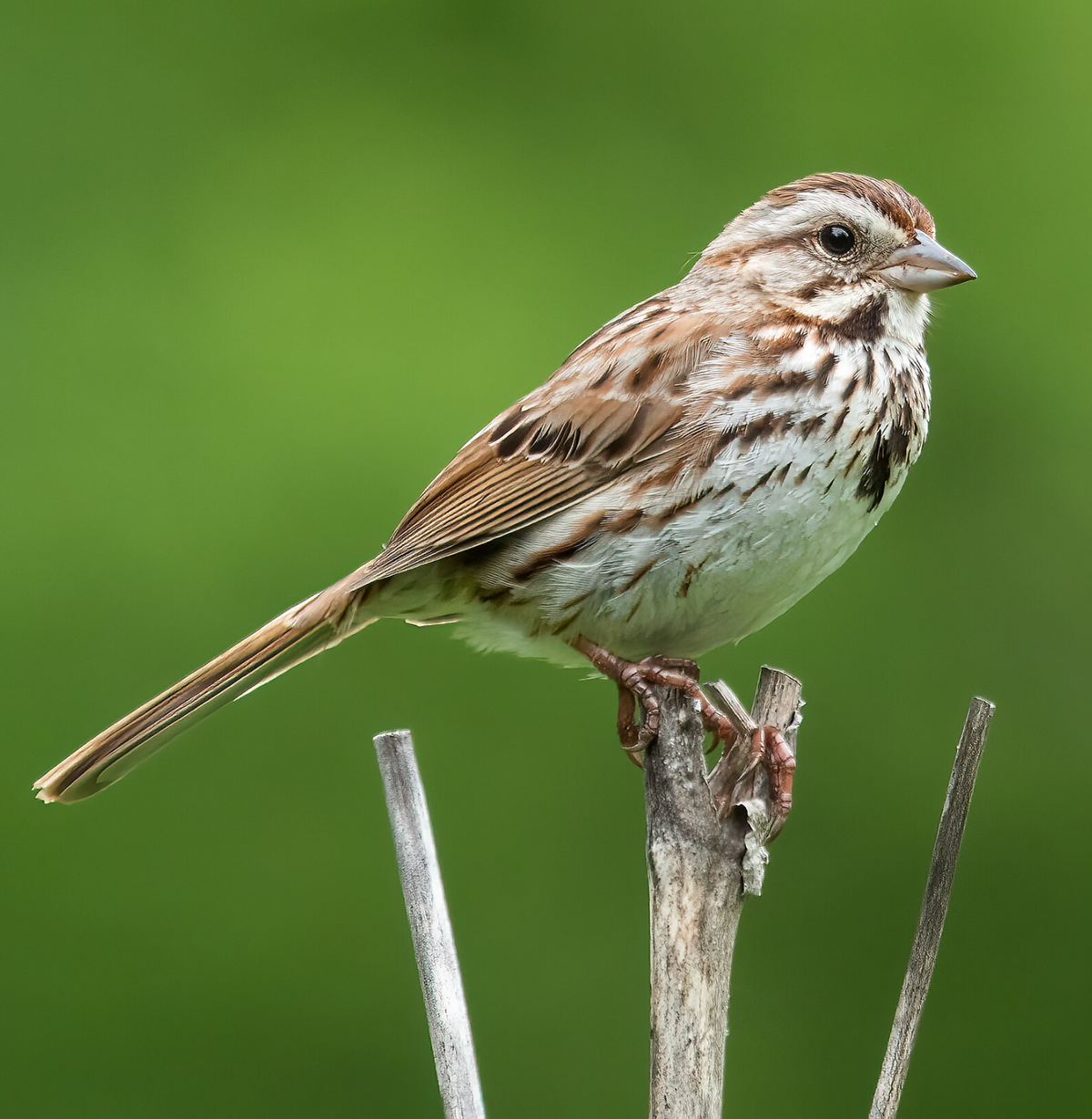
New World sparrows are a group of mainly New World passerine birds, forming the family Passerellidae. They are seed-eating birds with conical bills, brown or gray in color, and many species have distinctive head patterns.
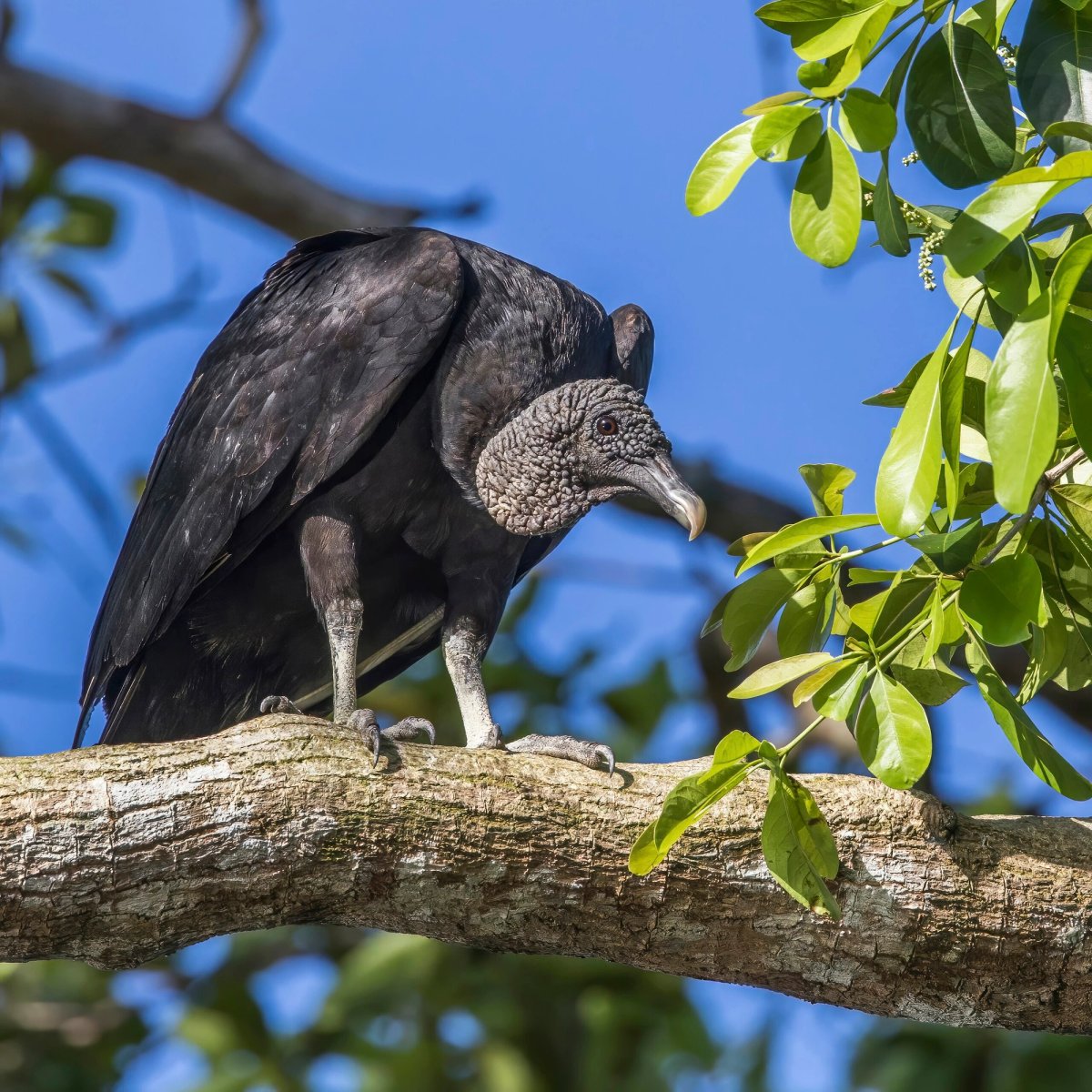
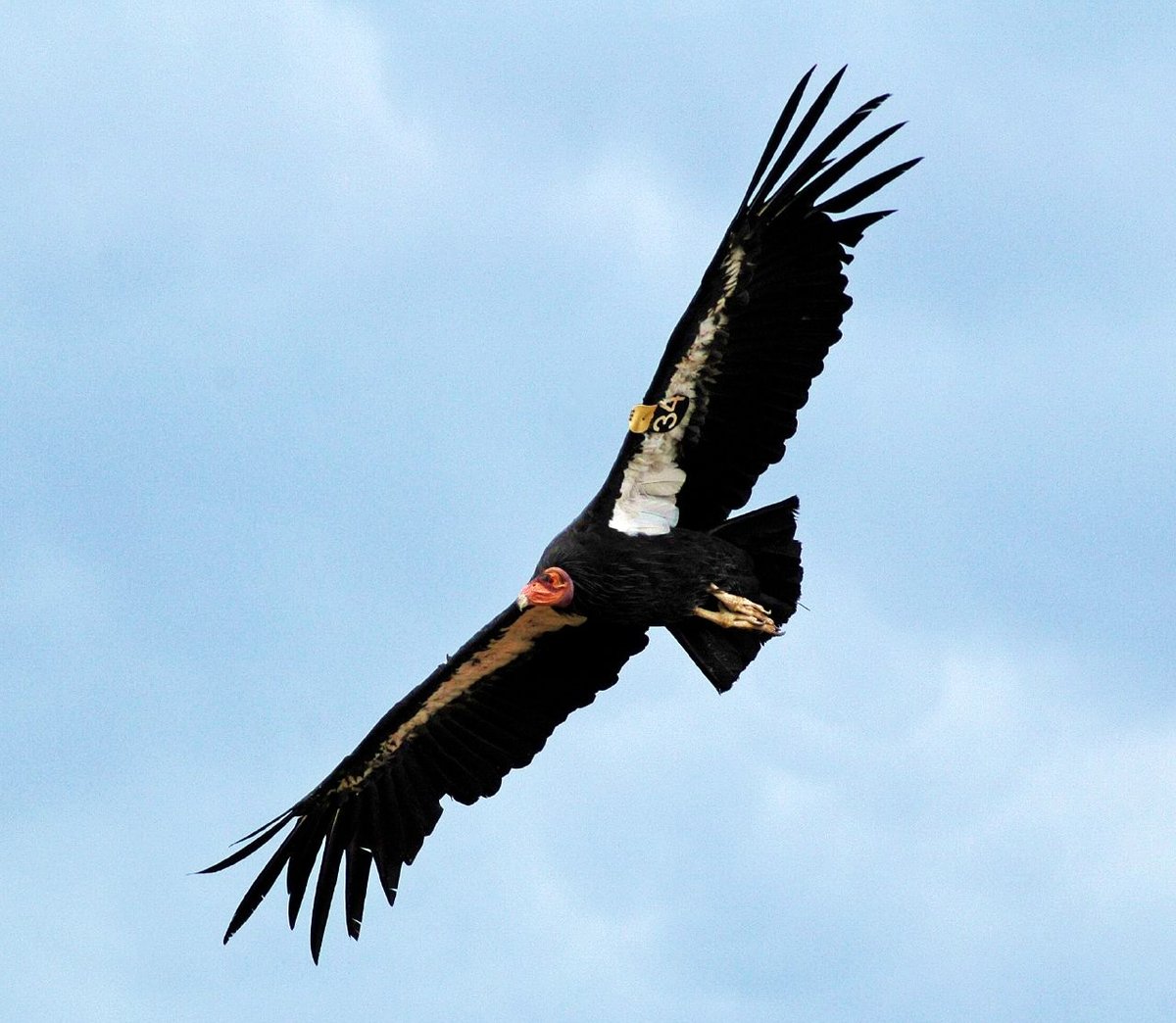
Cathartidae, commonly known as New World vultures and condors, are a family of birds of prey consisting of seven extant species in five genera. It includes five extant vultures and two extant condors found in the Americas.
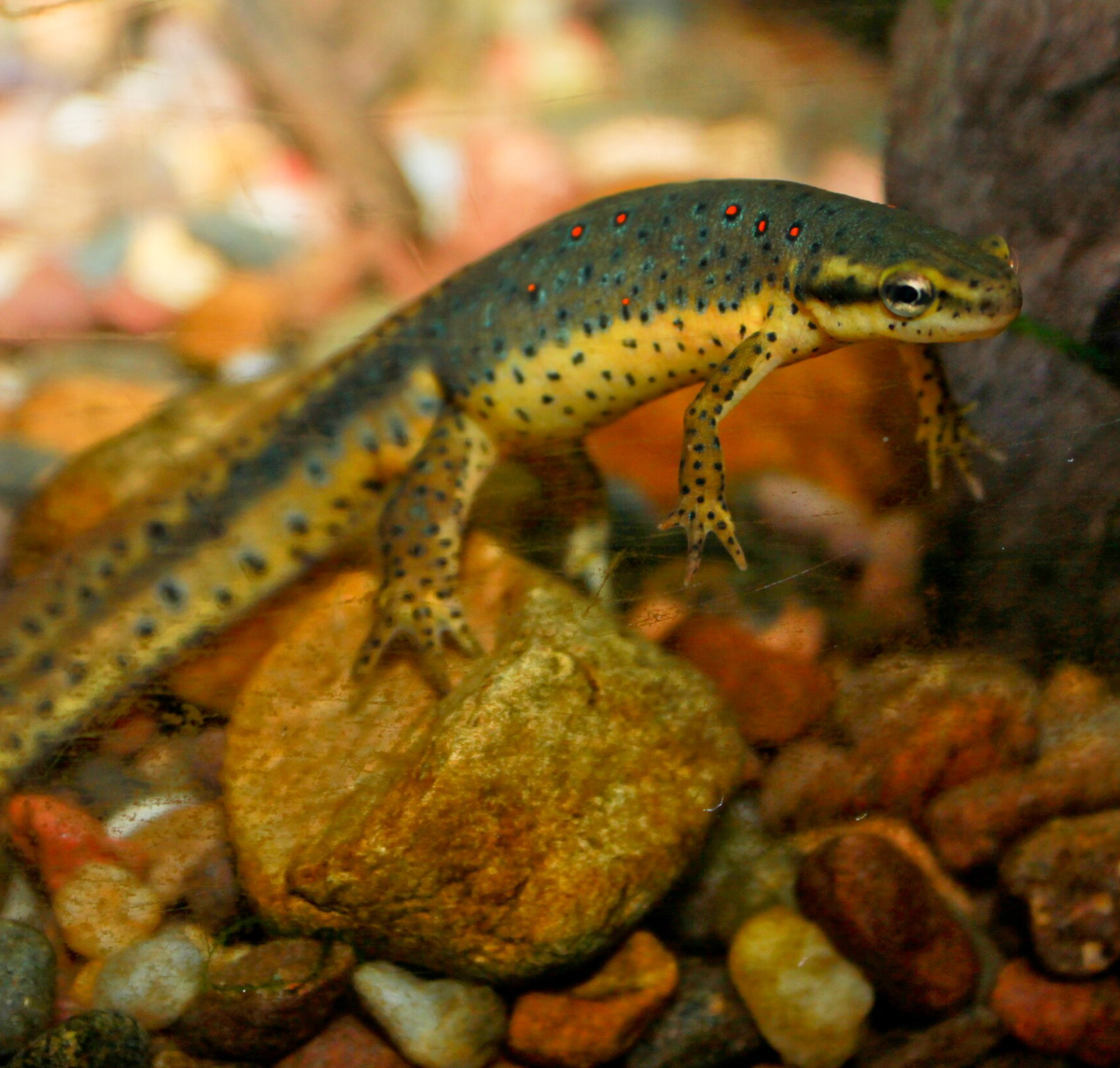
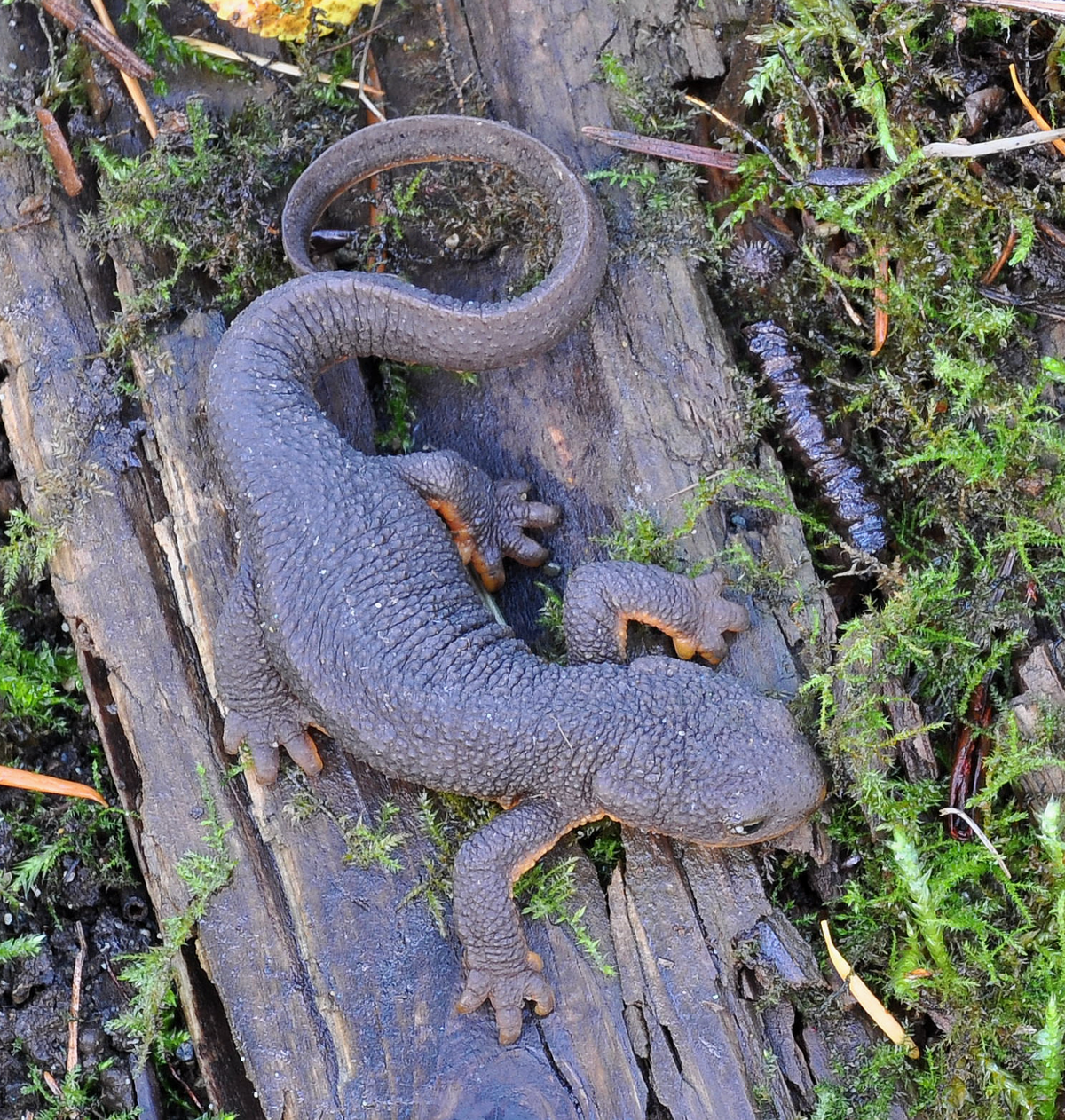
Salamandridae is a family of salamanders consisting of true salamanders and newts. Salamandrids are distinguished from other salamanders by the lack of rib or costal grooves along the sides of their bodies and by their rough skin. Their skin is very granular because of the number of poison glands.
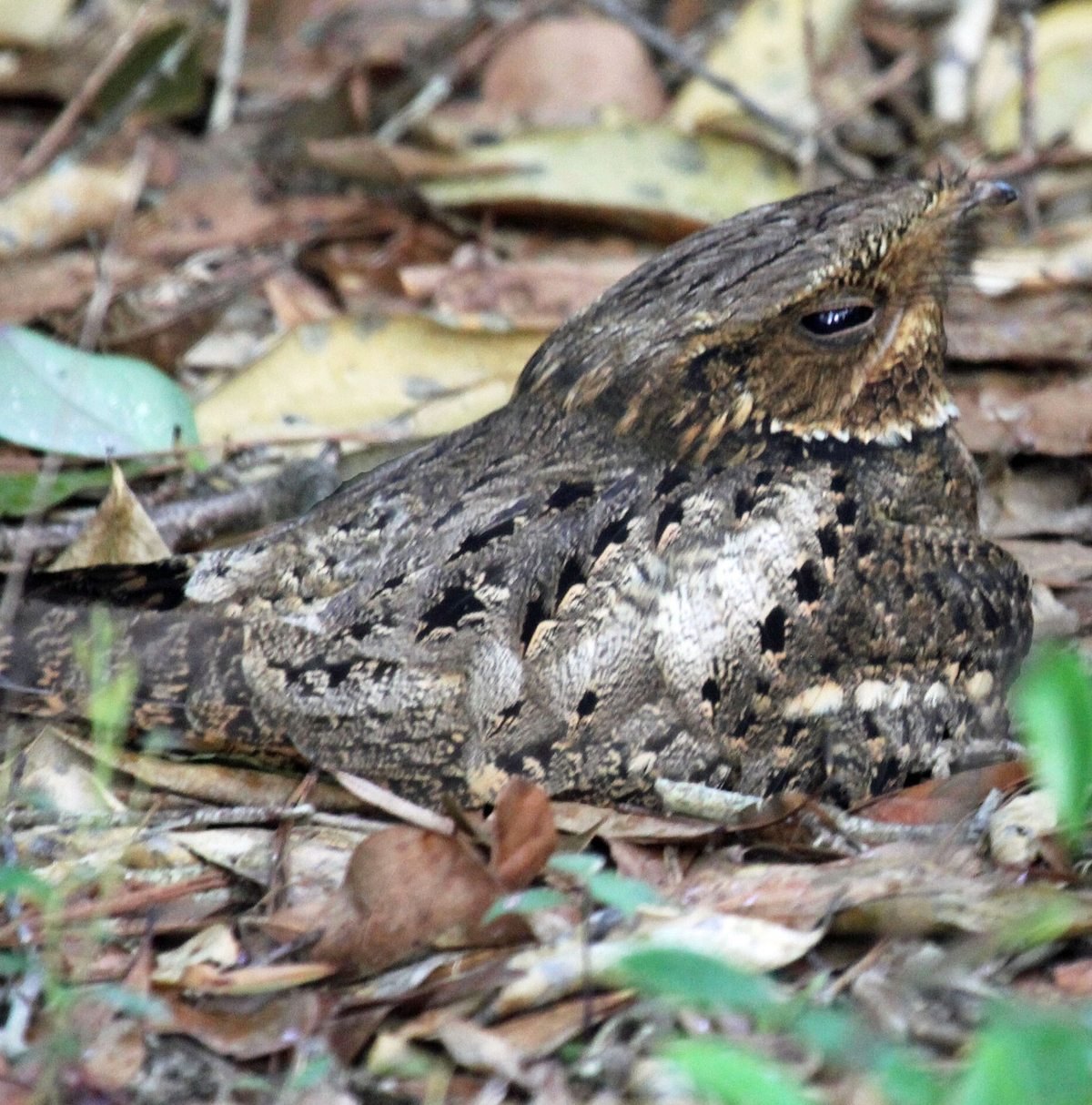
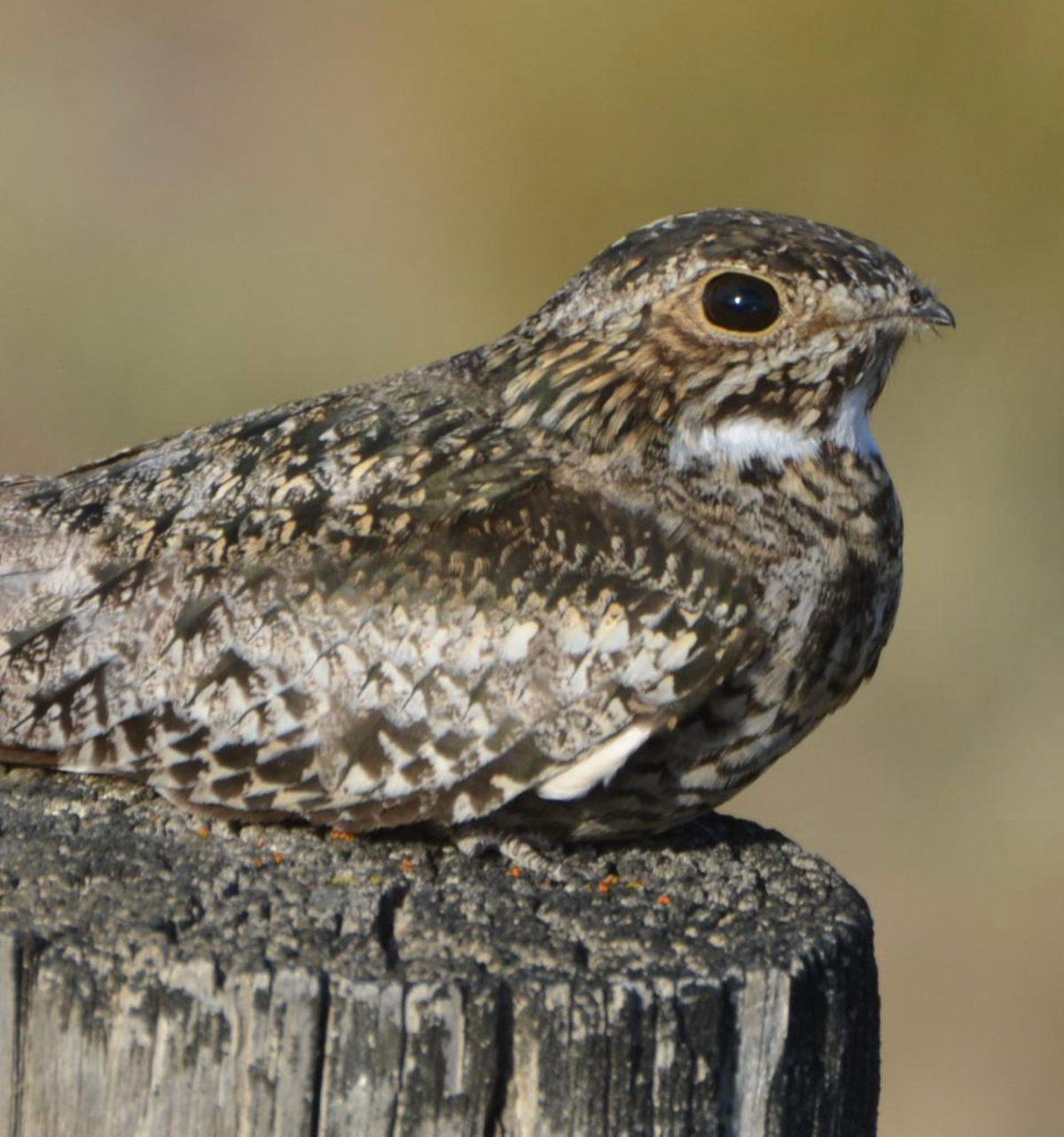
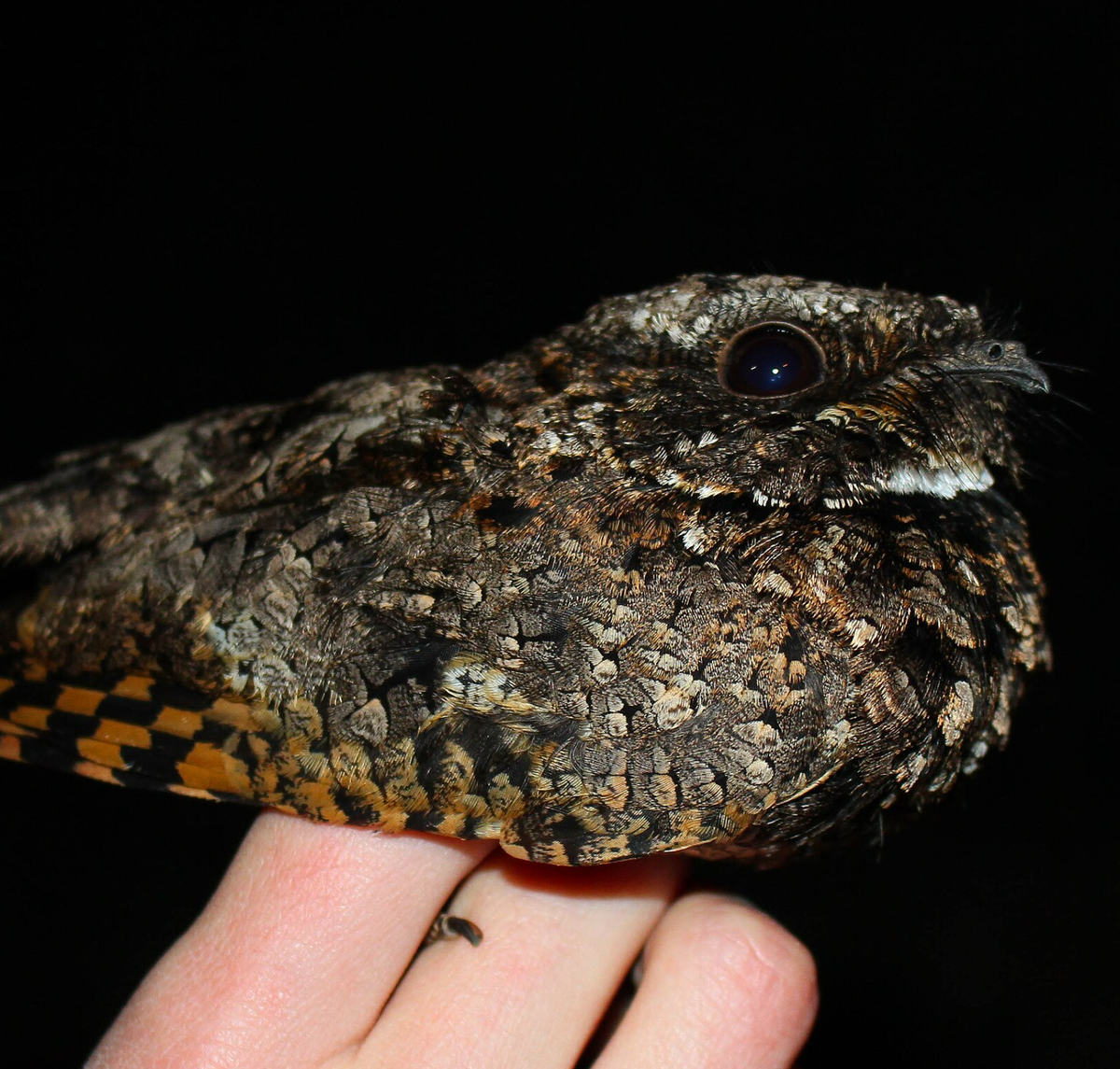
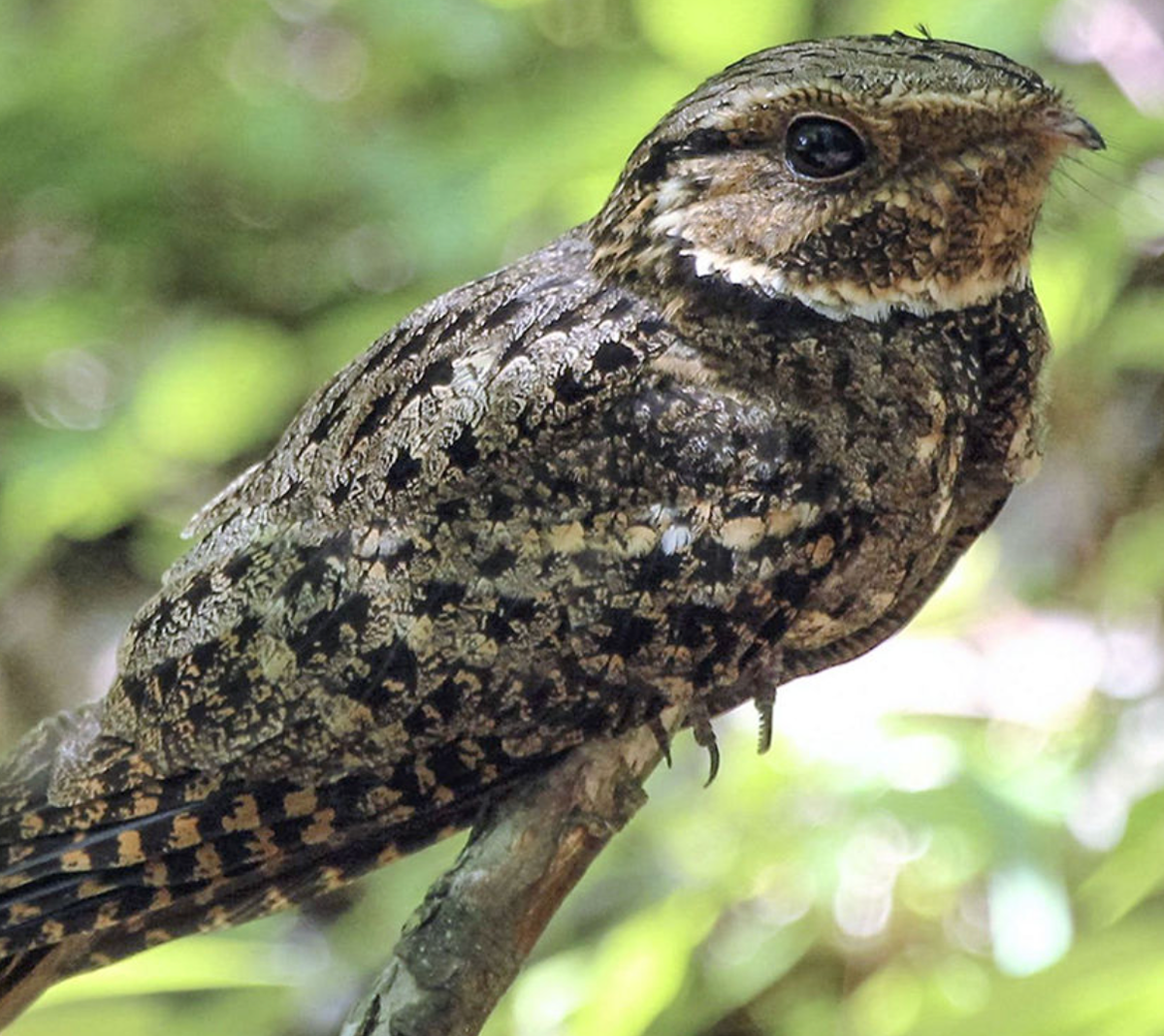
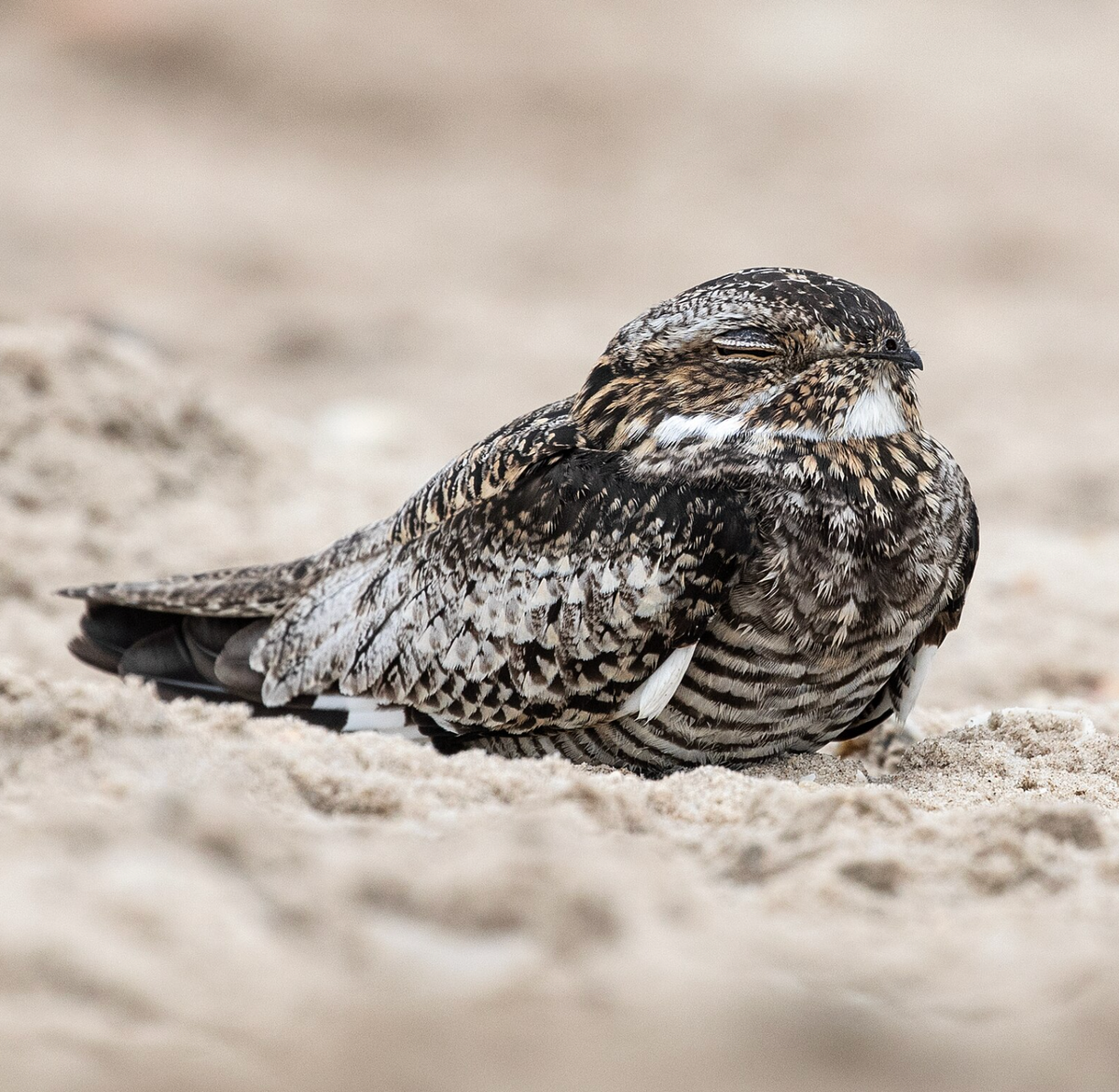
Nightjars are medium-sized nocturnal or crepuscular birds in the family Caprimulgidae and order Caprimulgiformes, characterised by long wings, short legs, and very short bills. They are sometimes called bugeaters, their primary source of food being insects. Some New World species are called nighthawks.
Pandion is a genus of fish-eating bird of prey, known as ospreys, the only genus of the family Pandionidae. The genus Pandion is named for the mythical Greek figure of the same name.
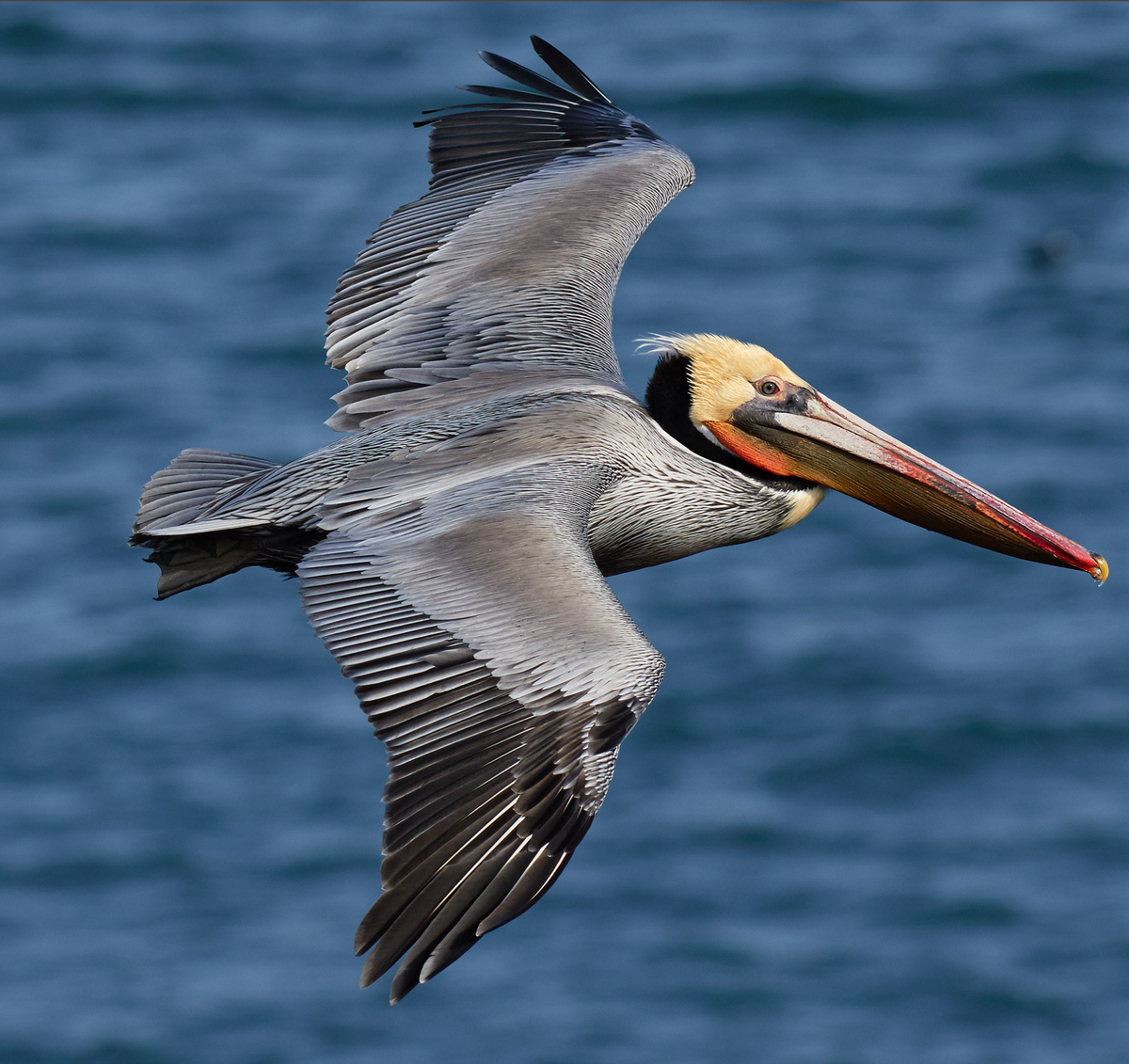
The Pelecanidae is a family of pelecaniform birds within the Pelecani that contains three genera: the extinct Eopelecanus and Miopelecanus and the extant Pelecanus. Pelecanids have existed since the late Eocene and they still exist today.
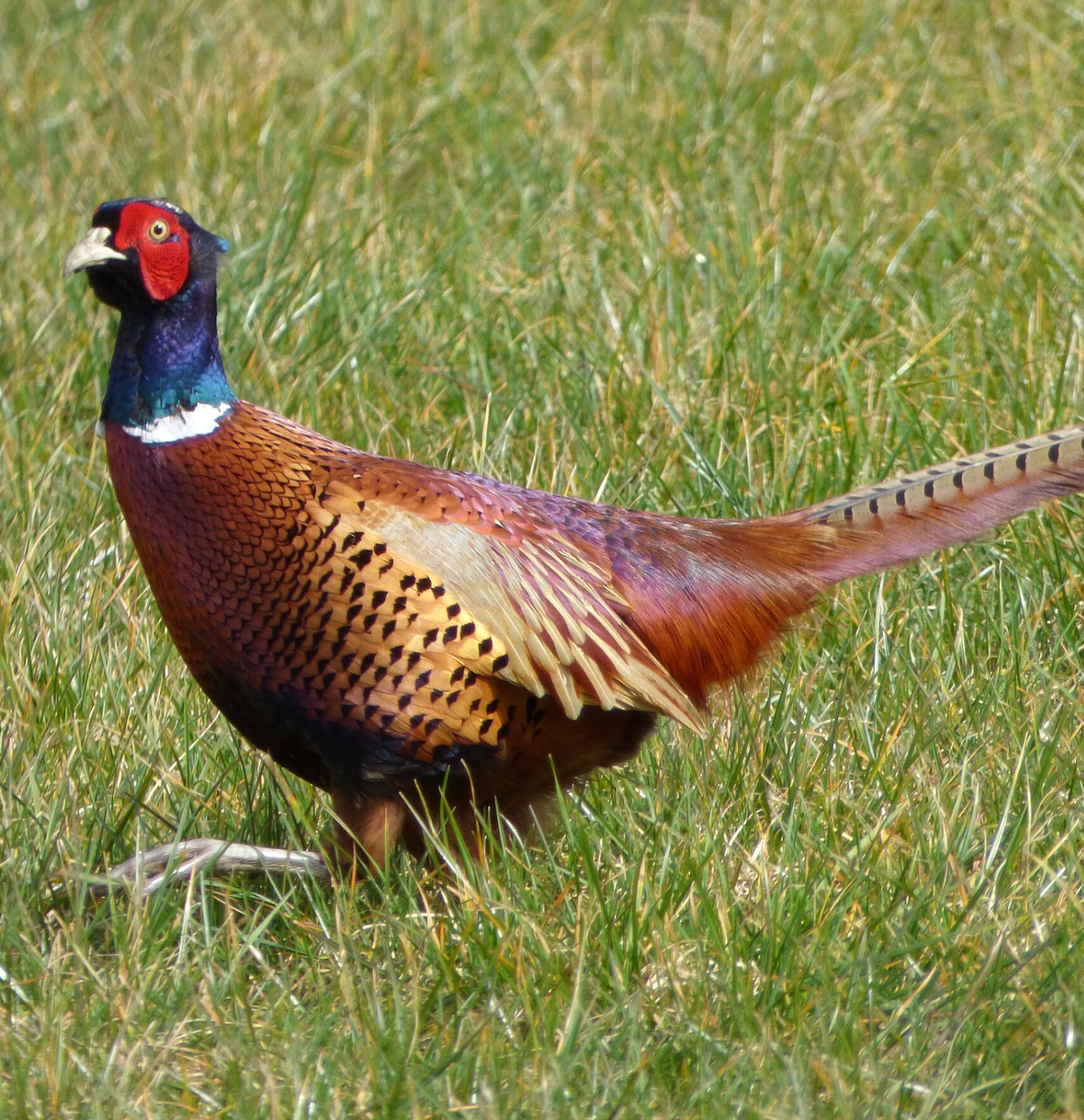
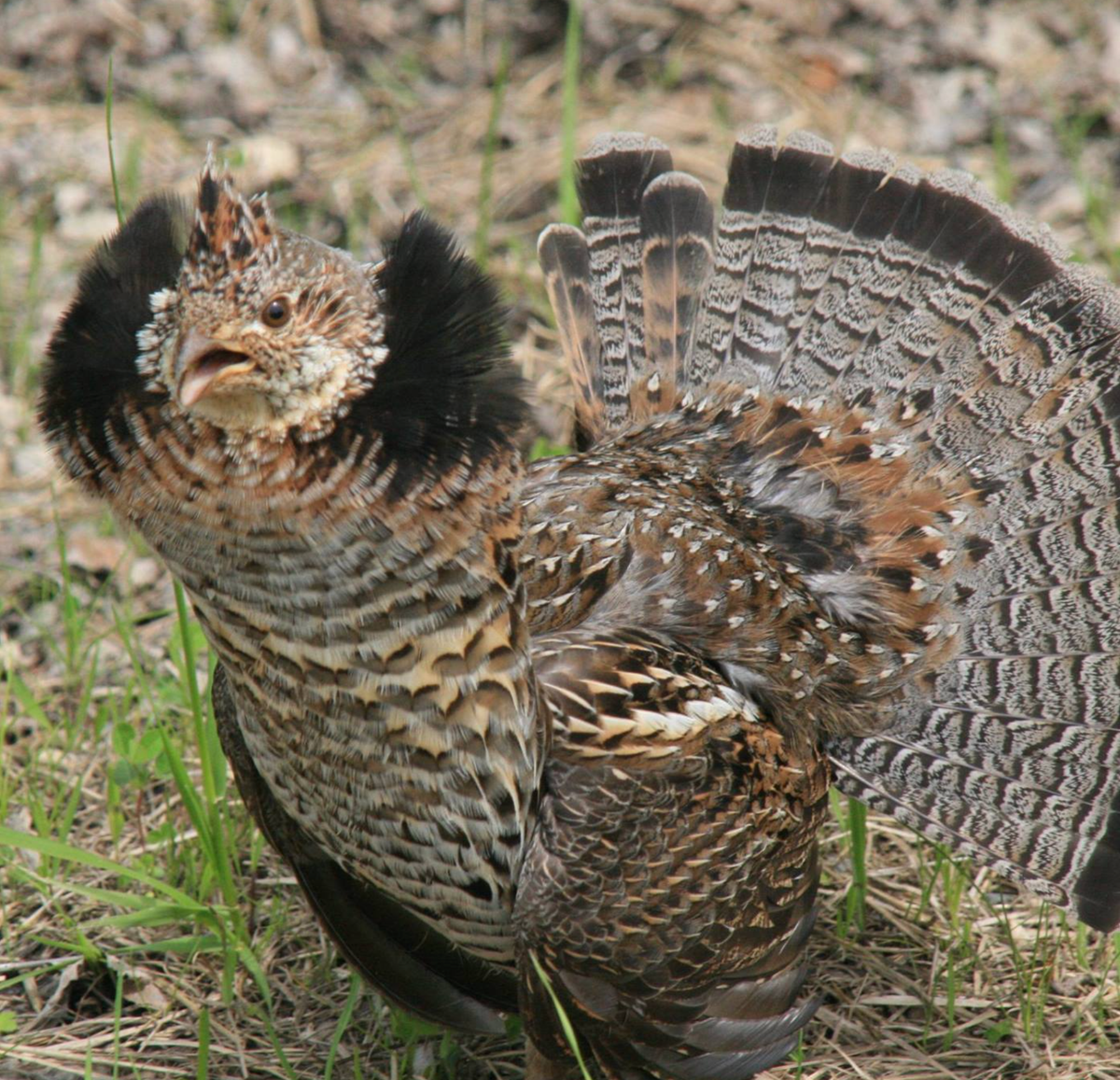
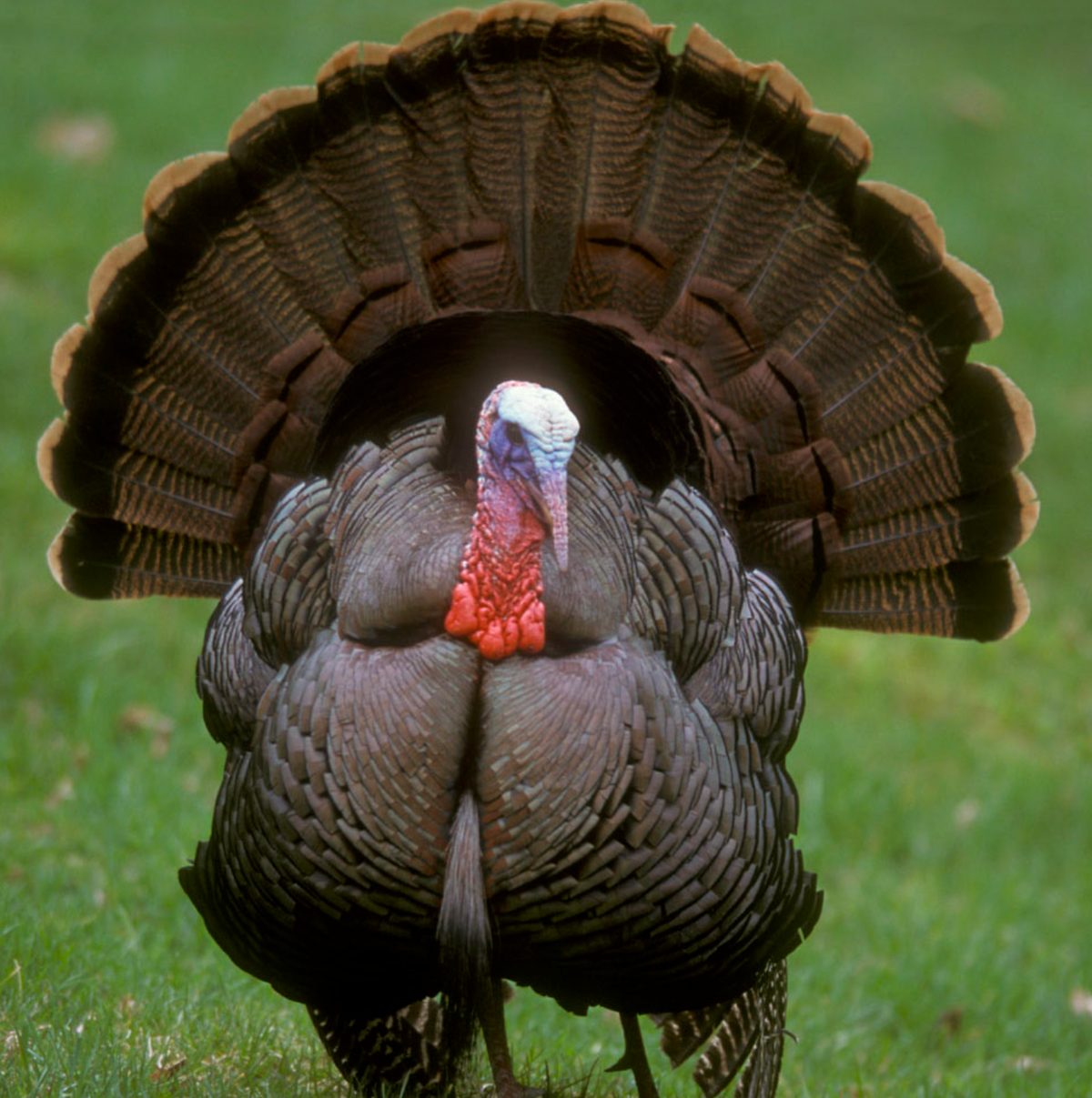
Phasianidae is a family of heavy, ground-living birds, which includes pheasants, grouse, partridges, junglefowl, chickens, turkeys, Old World quail, and peafowl. The family includes many of the most popular gamebirds. The family includes 185 species divided into 54 genera.
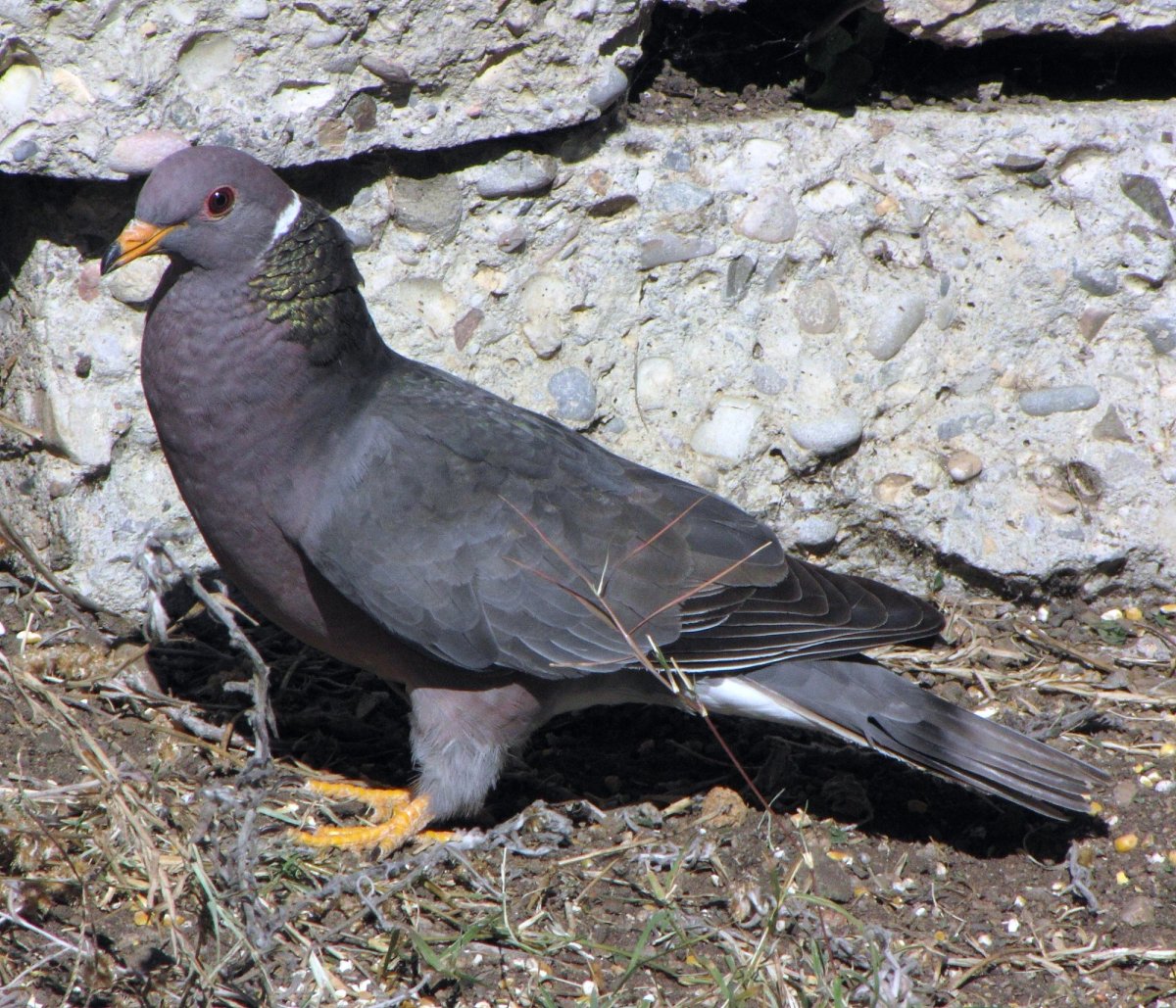
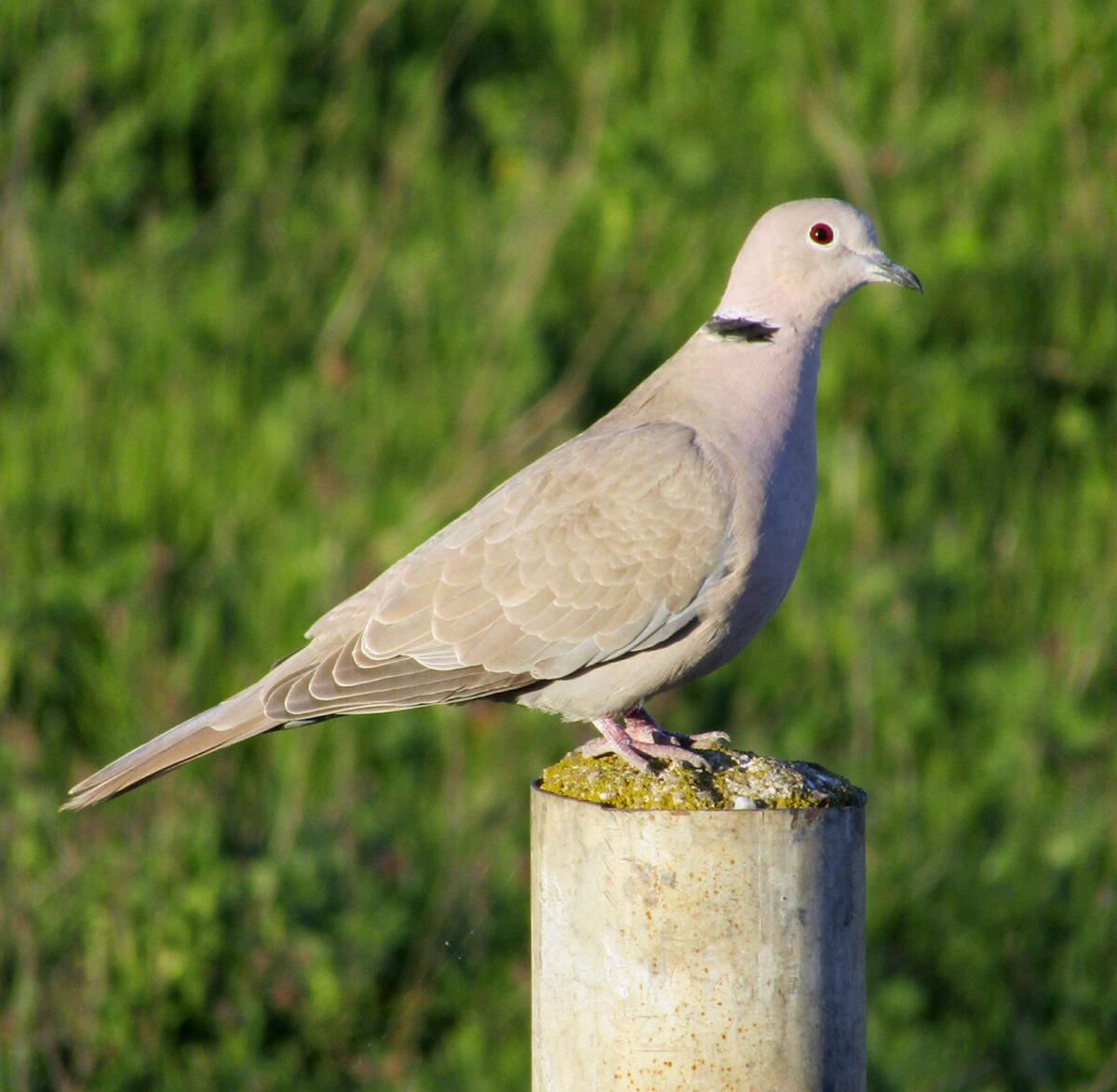
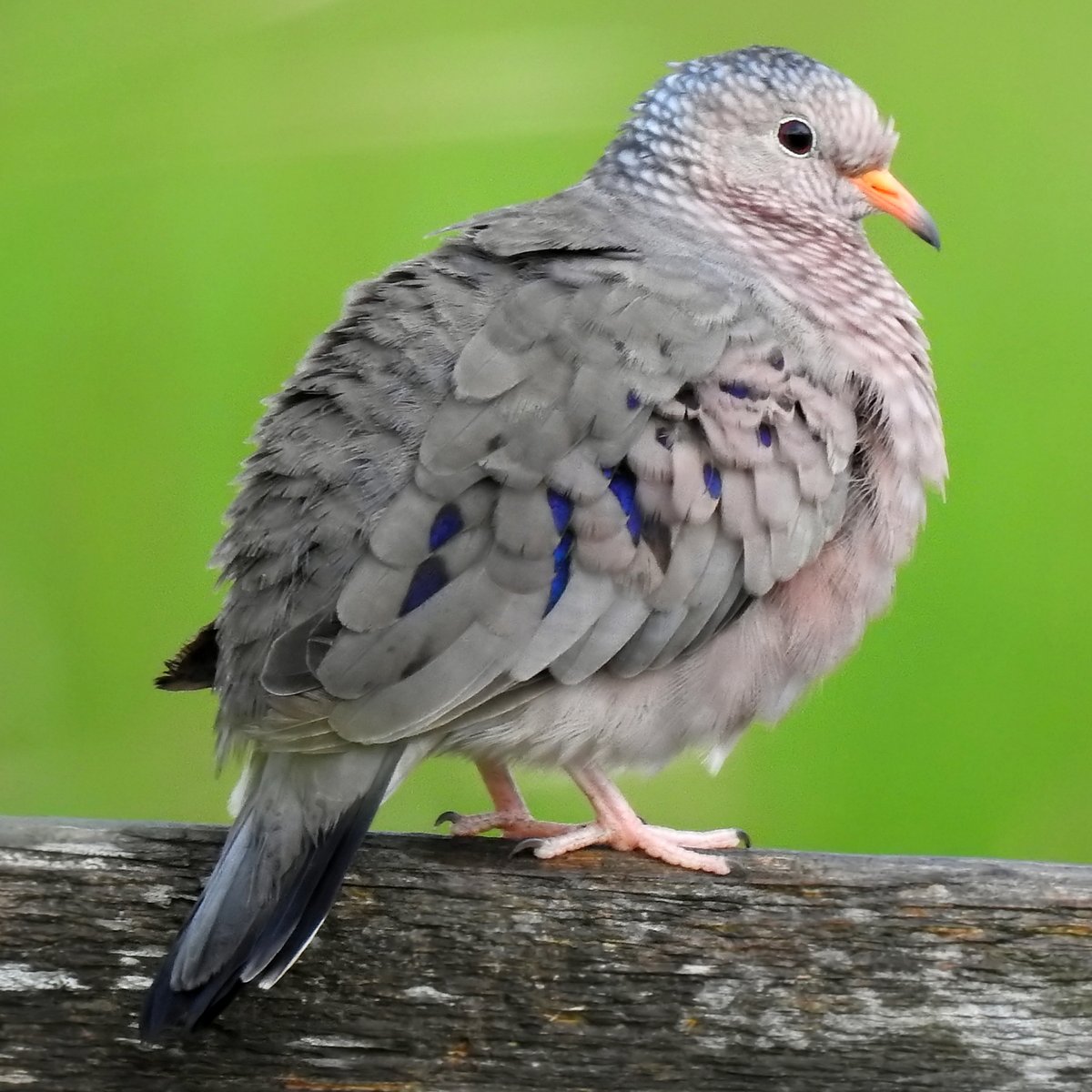
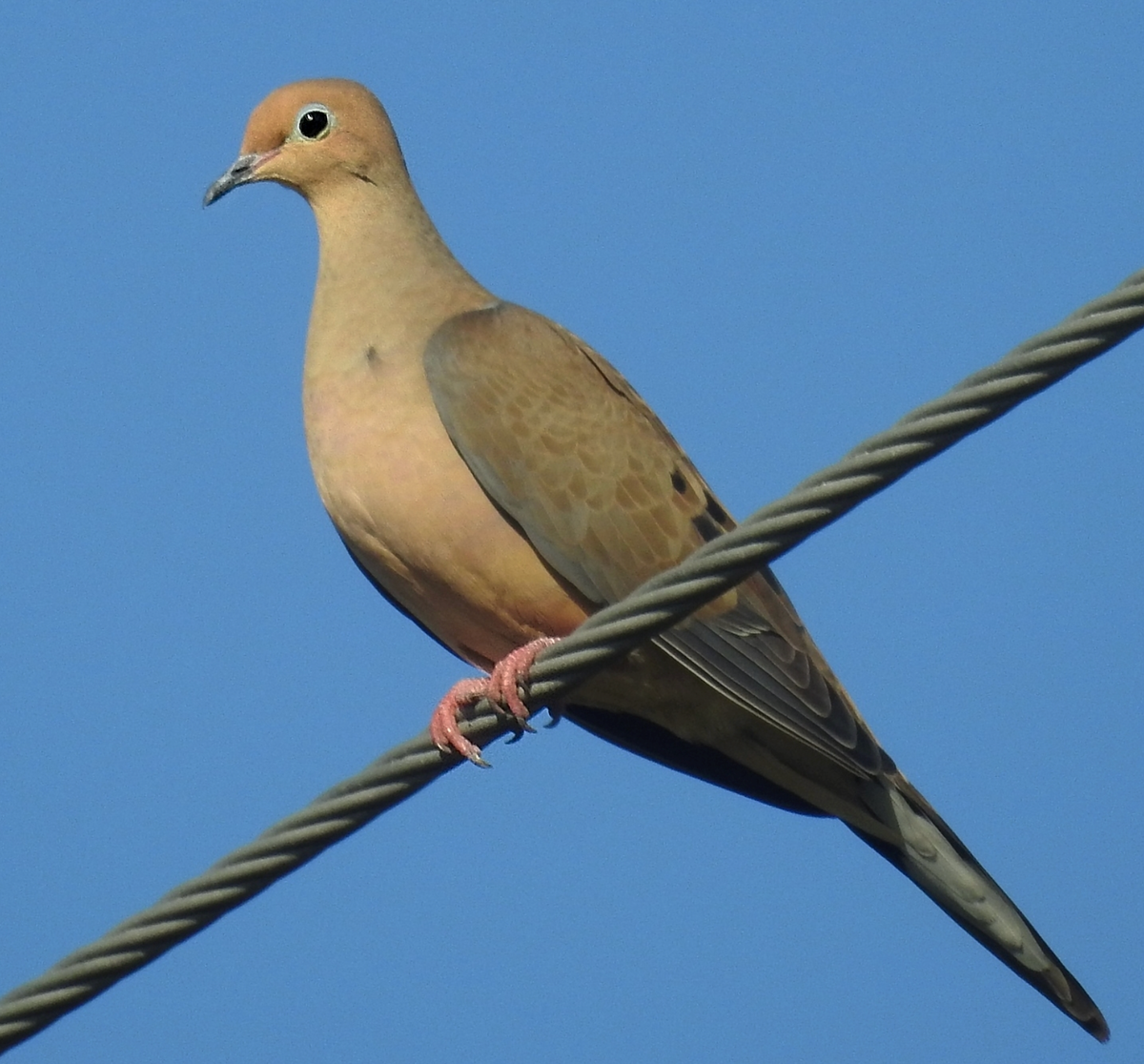
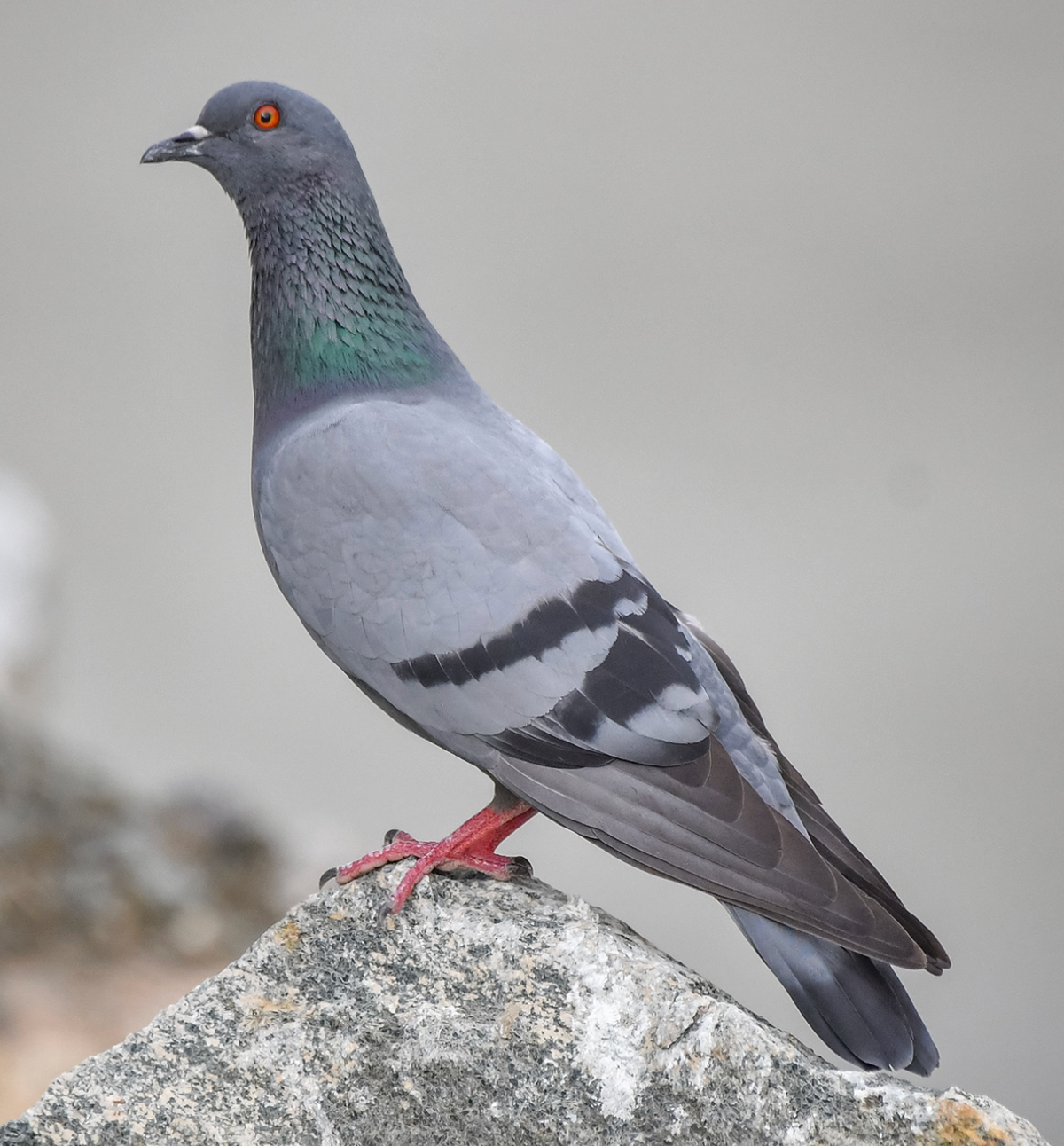
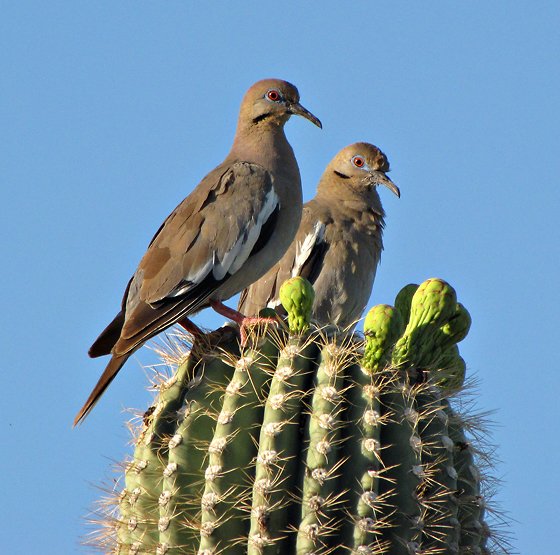
Columbidae is a bird family consisting of doves and pigeons. These are stout-bodied birds with small heads, relatively short necks and slender bills that in some species feature fleshy ceres. They feed largely on plant matter, feeding on seeds, fruit, and foliage.
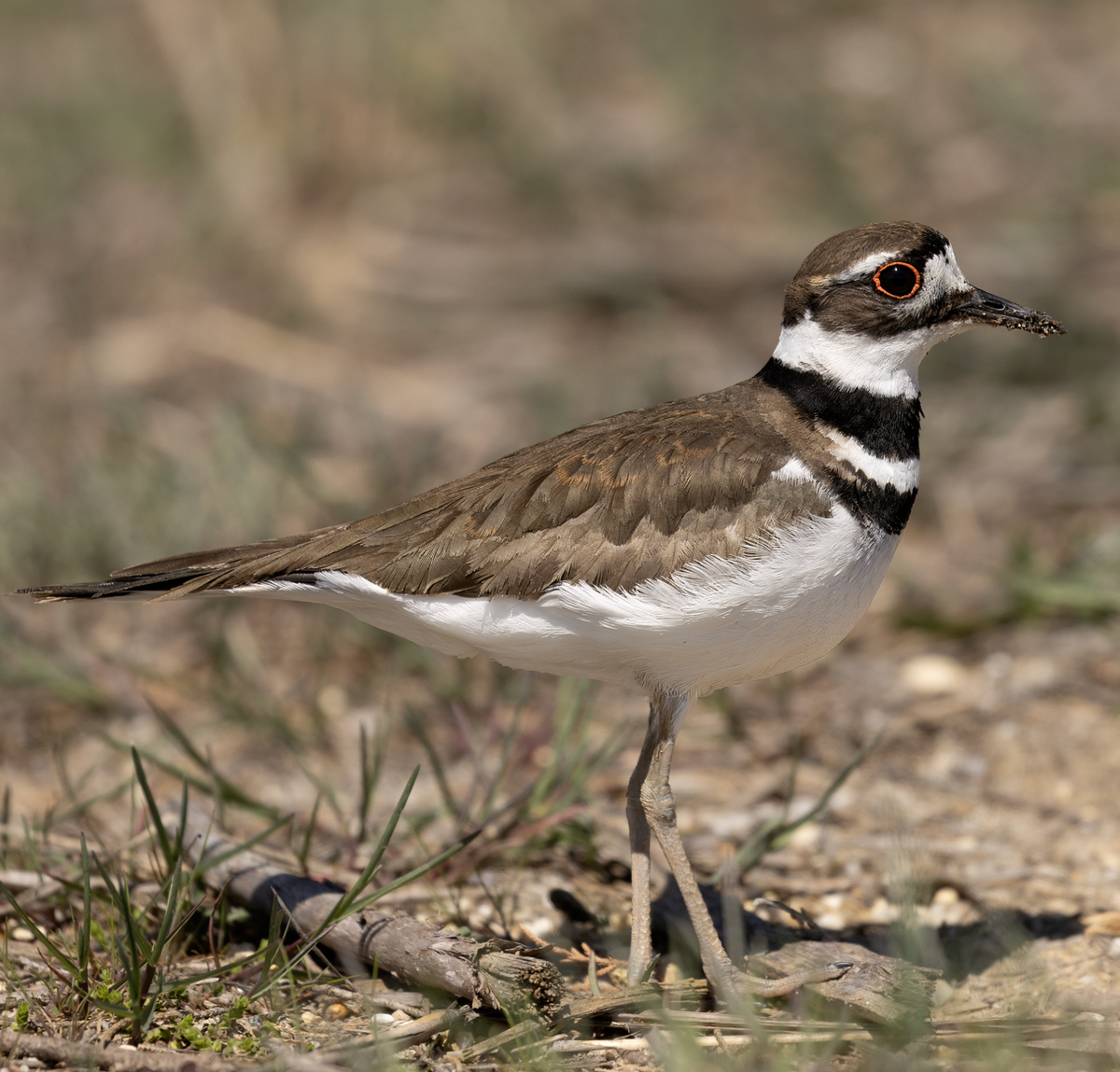
Charadriiformes is a diverse order of small to medium-large birds. It includes about 390 species and has members in all parts of the world. Most charadriiform birds live near water and eat invertebrates or other small animals; however, some are pelagic, others frequent deserts, and a few are found in dense forest.
Emydidae is a family of testudines that includes close to 50 species in 10 genera. Members of this family are commonly called terrapins, pond turtles, or marsh turtles.
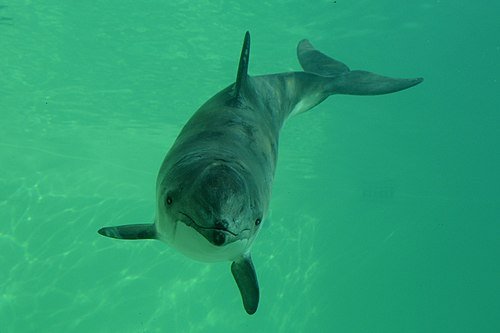
Porpoises are small dolphin-like cetaceans classified under the family Phocoenidae. Although similar in appearance to dolphins, they are more closely related to narwhals and belugas. There are eight extant species of porpoise, all among the smallest of the toothed whales.
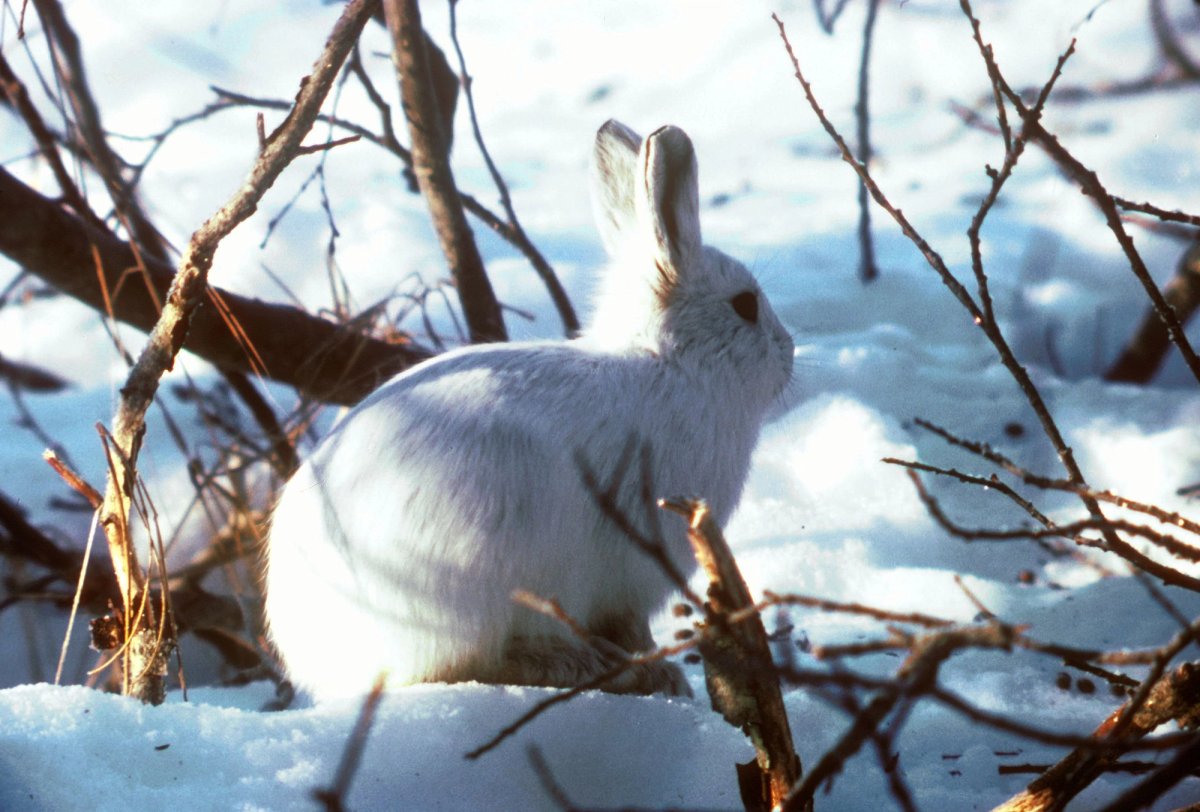
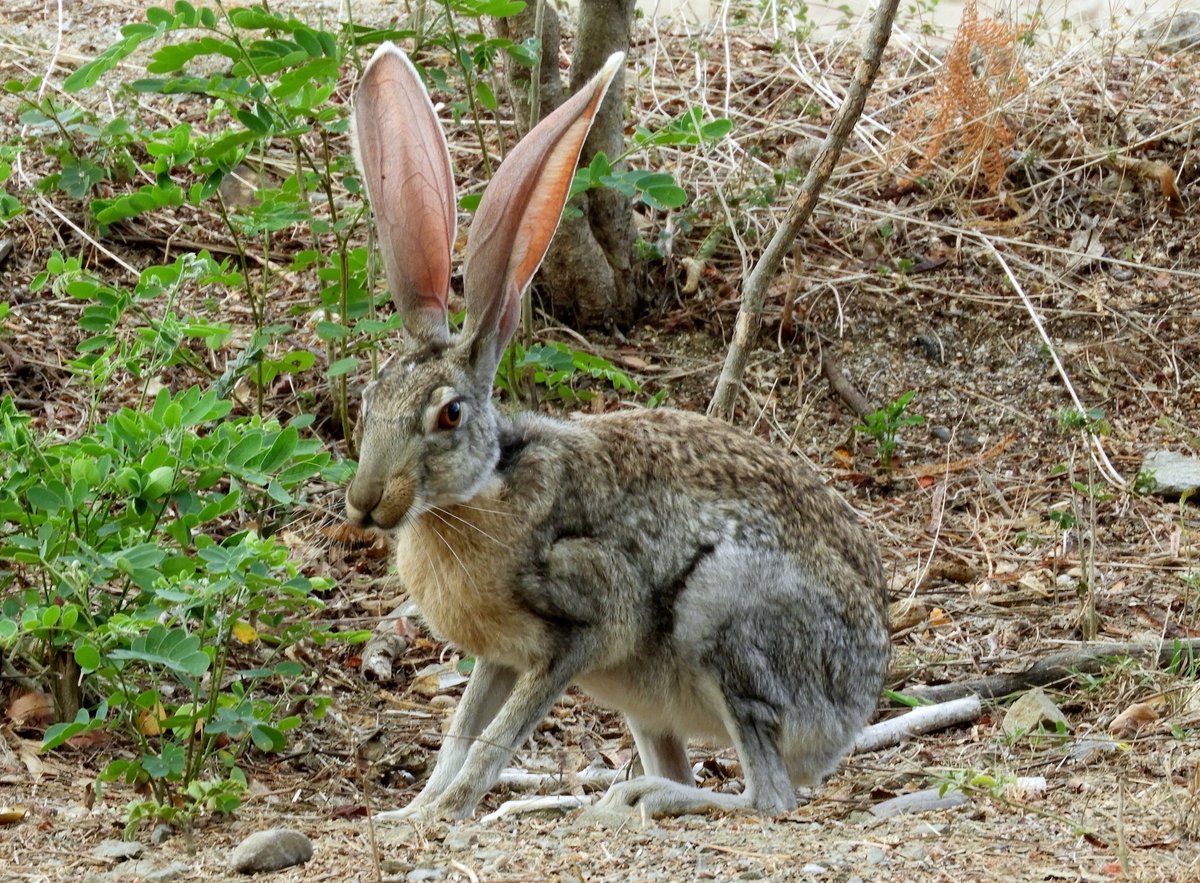
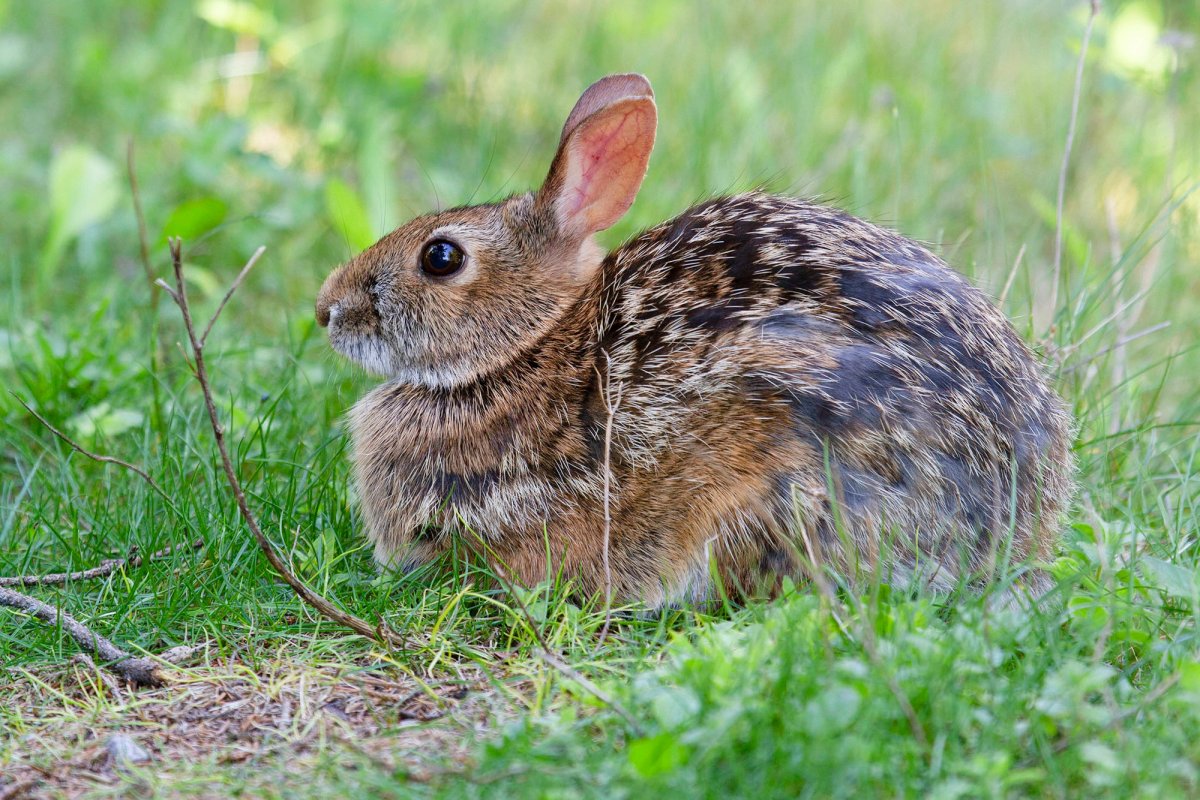
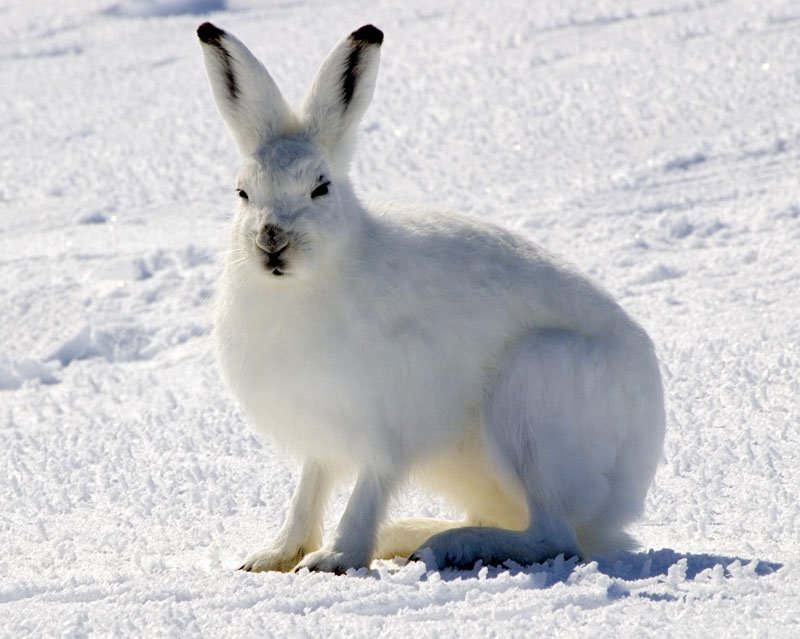
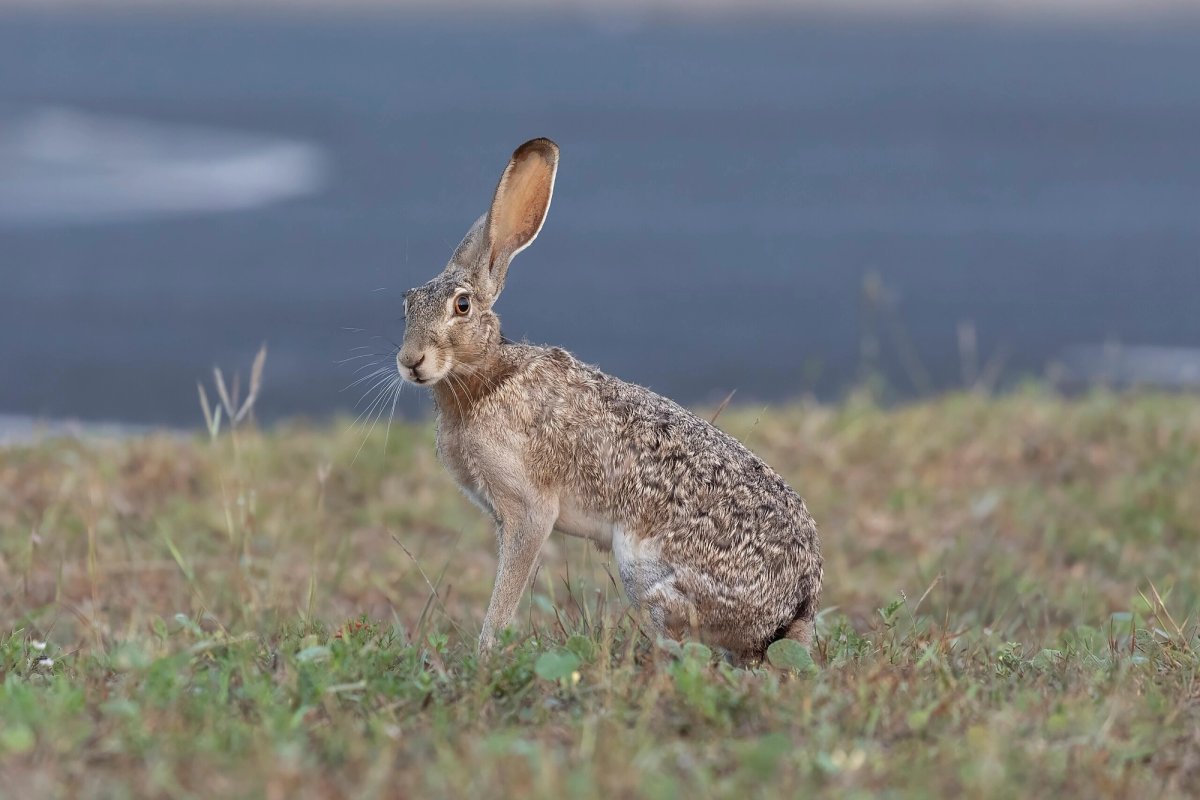
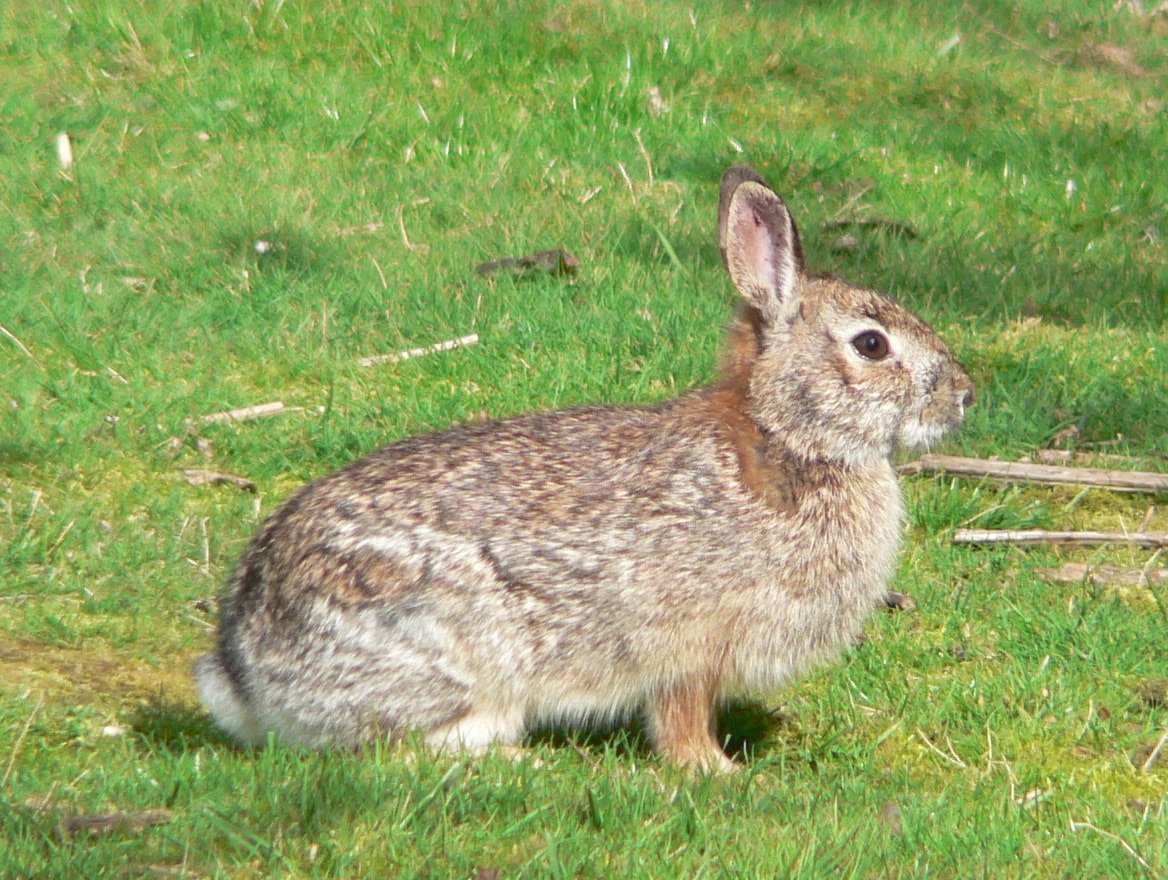
Leporidae is the family of rabbits and hares, containing over 70 species of extant mammals in all. Together with the pikas, the Leporidae constitute the mammalian order Lagomorpha. Leporidae differ from pikas in that they have short, furry tails and elongated ears and hind legs.
Cheloniidae is a family of typically large marine turtles that are characterised by their common traits such as having a flat streamlined wide and rounded shell and almost paddle-like flippers for their forelimbs.
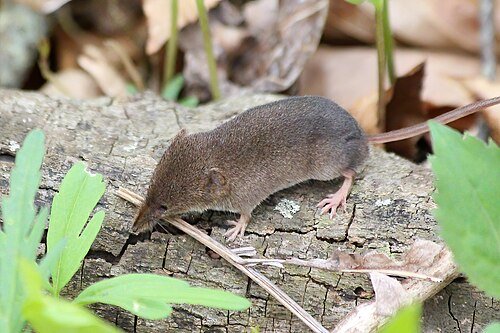
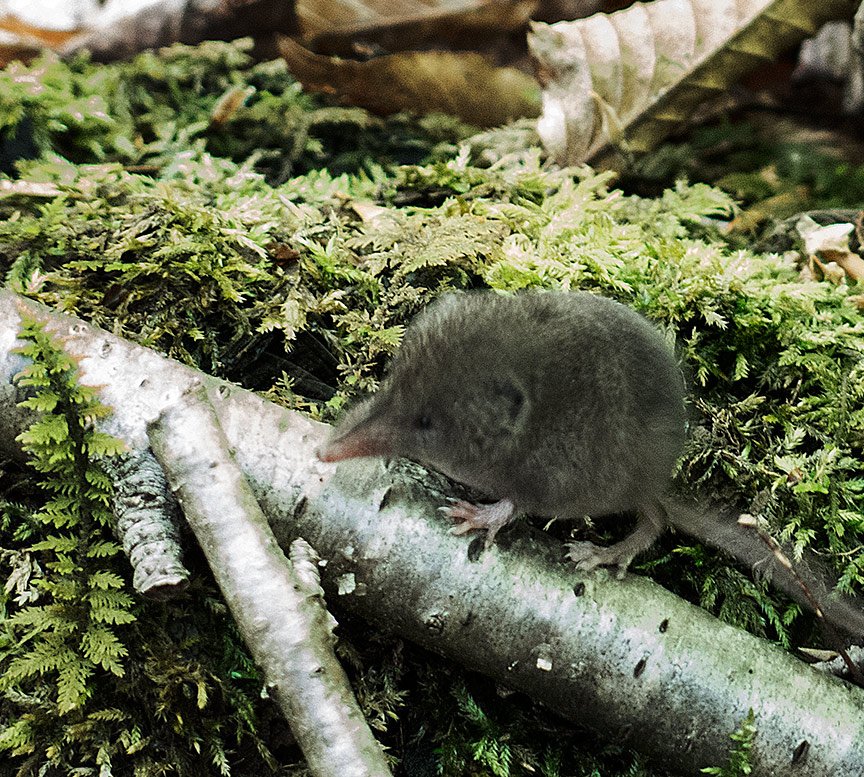
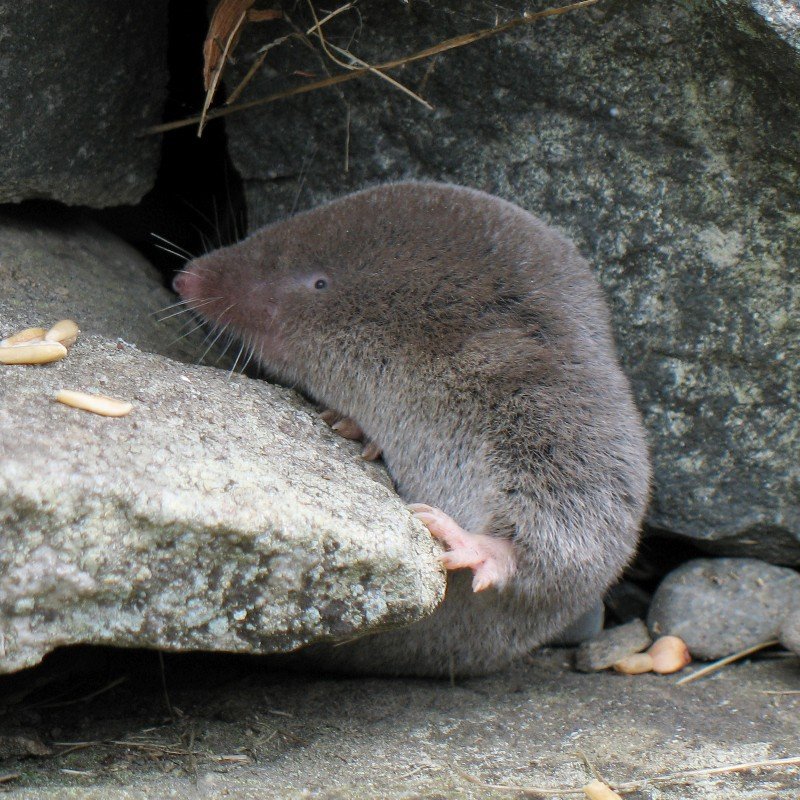
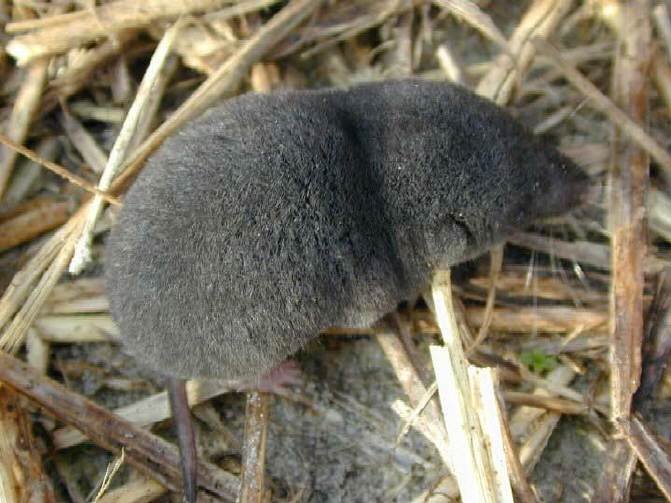
Eulipotyphla, meaning truly lacking blind gut, sometimes called true insectivores, is an order of mammals comprising the families Erinaceidae (hedgehogs and gymnures), Solenodontidae (solenodons), Talpidae (moles, shrew-like moles and desmans), and Soricidae (true shrews).
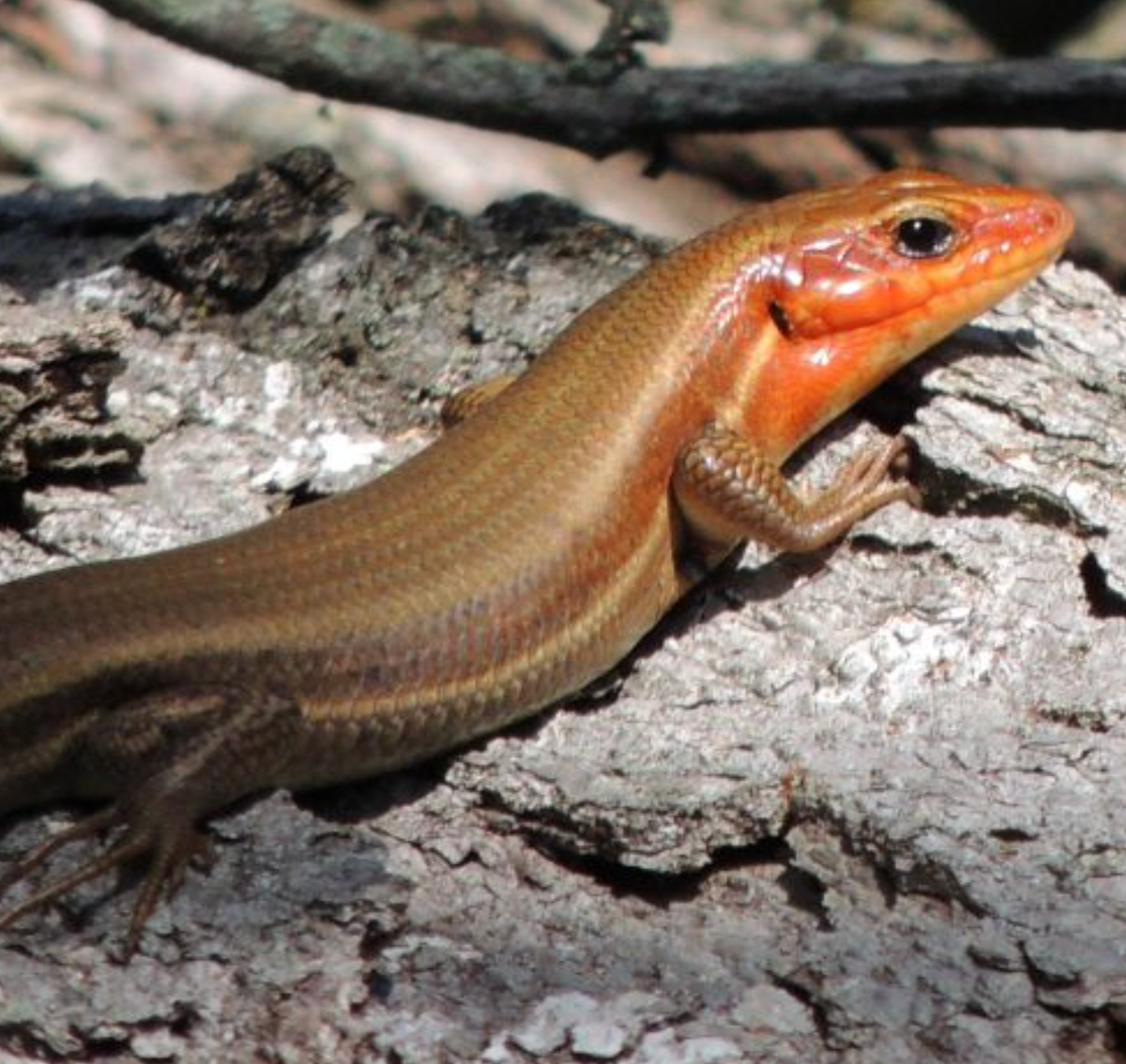
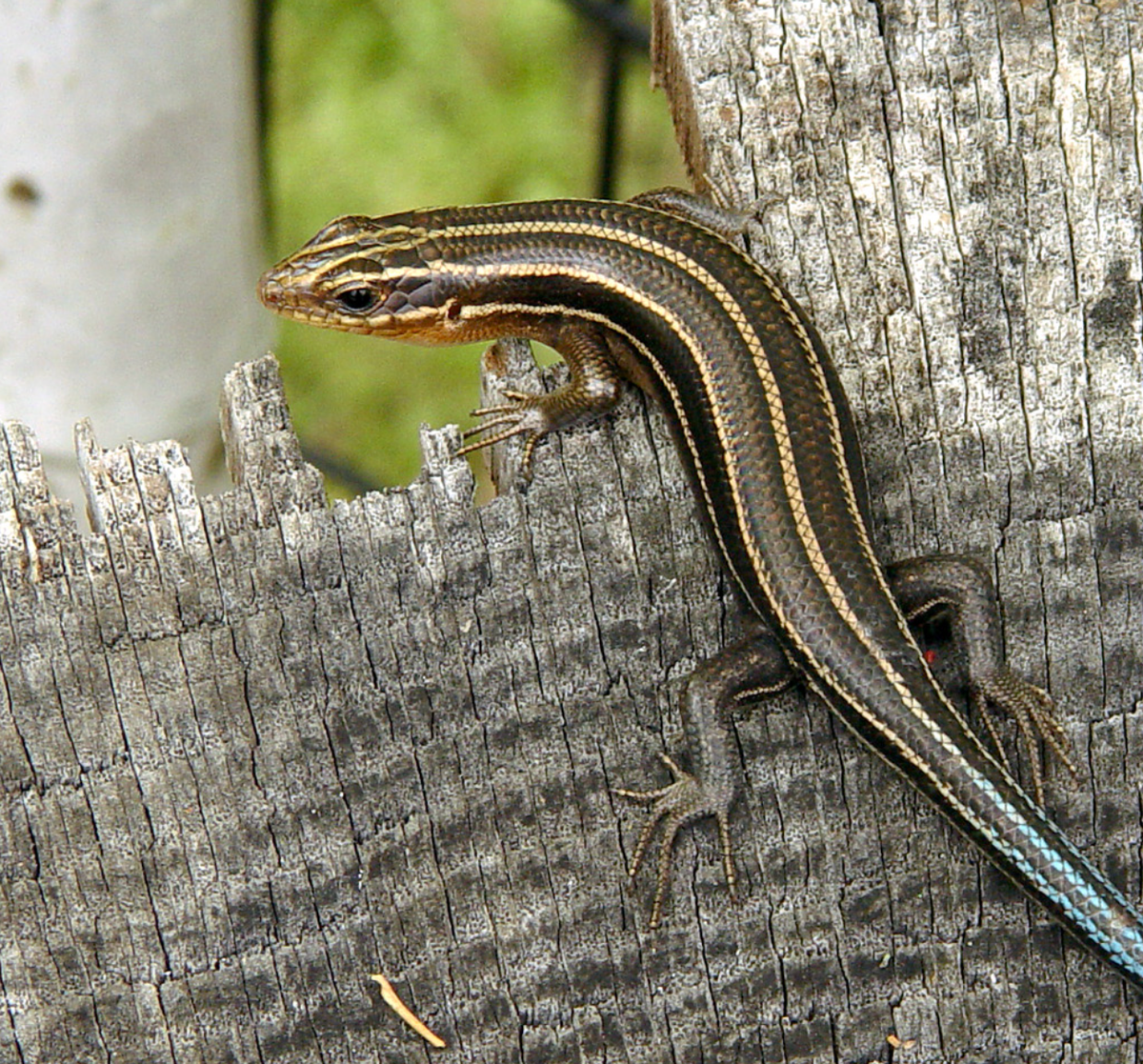
Skinks are lizards that comprise all species within the family Scincidae, which is part of the infraorder Scincomorpha. With more than 1,500 described species across 100 different taxonomic genera, the family Scincidae is one of the most diverse families of lizards.
Mephitidae is a family of mammals comprising the skunks and stink badgers. They are noted for the great development of their anal scent glands, which they use to deter predators.
The Chelydridae is a family of turtles that has seven extinct and two extant genera. The extant genera are the snapping turtles, Chelydra and Macrochelys. Both are endemic to the Western Hemisphere.
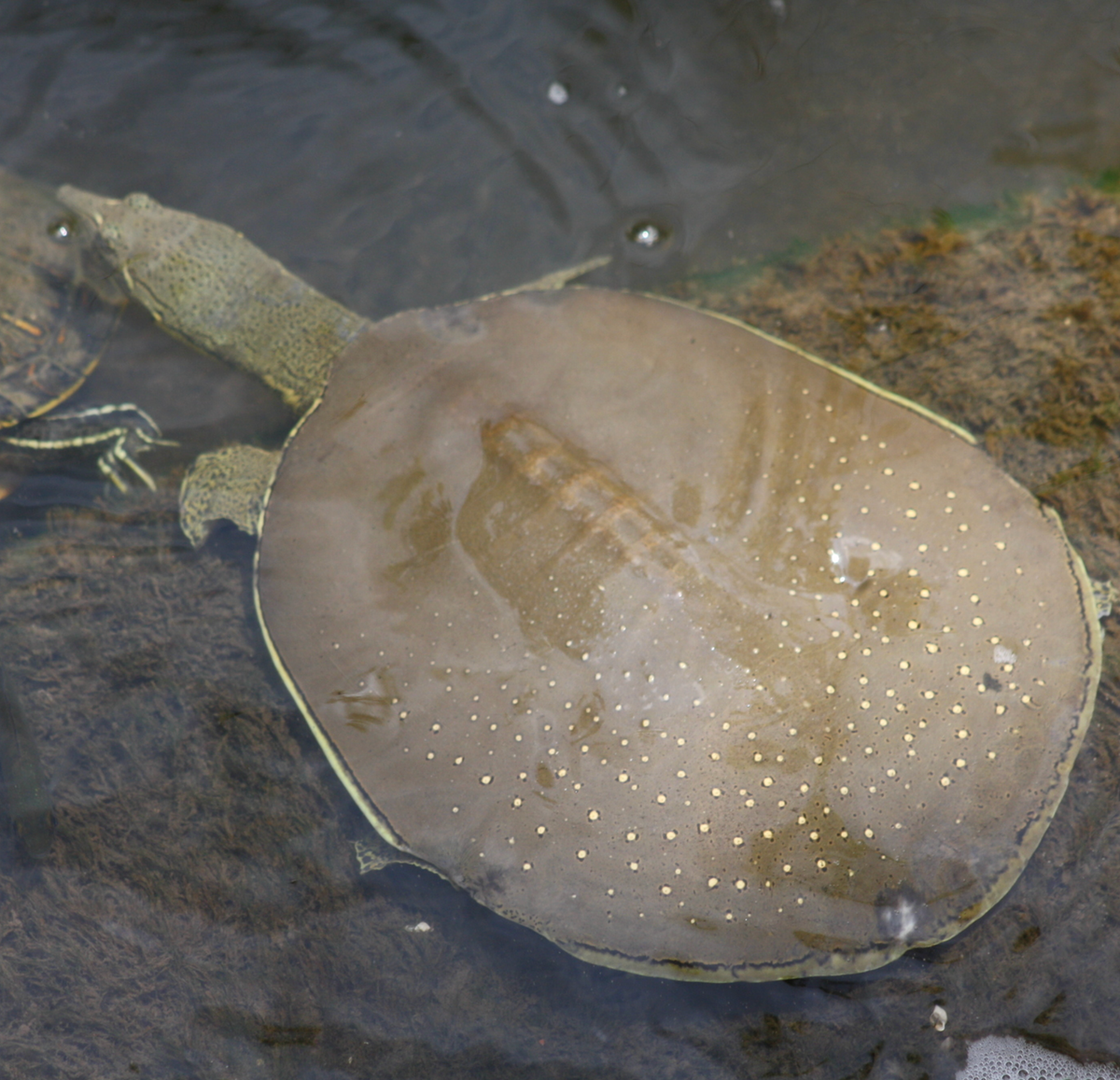
Trionychidae is a family of turtles, commonly known as softshell turtles or simply softshells. The family was described by Leopold Fitzinger in 1826. Softshells include some of the world's largest freshwater turtles, though many can adapt to living in highly brackish waters.
The Phrynosomatidae are a diverse family of lizards, sometimes classified as a subfamily, found from Panama to the extreme south of Canada.
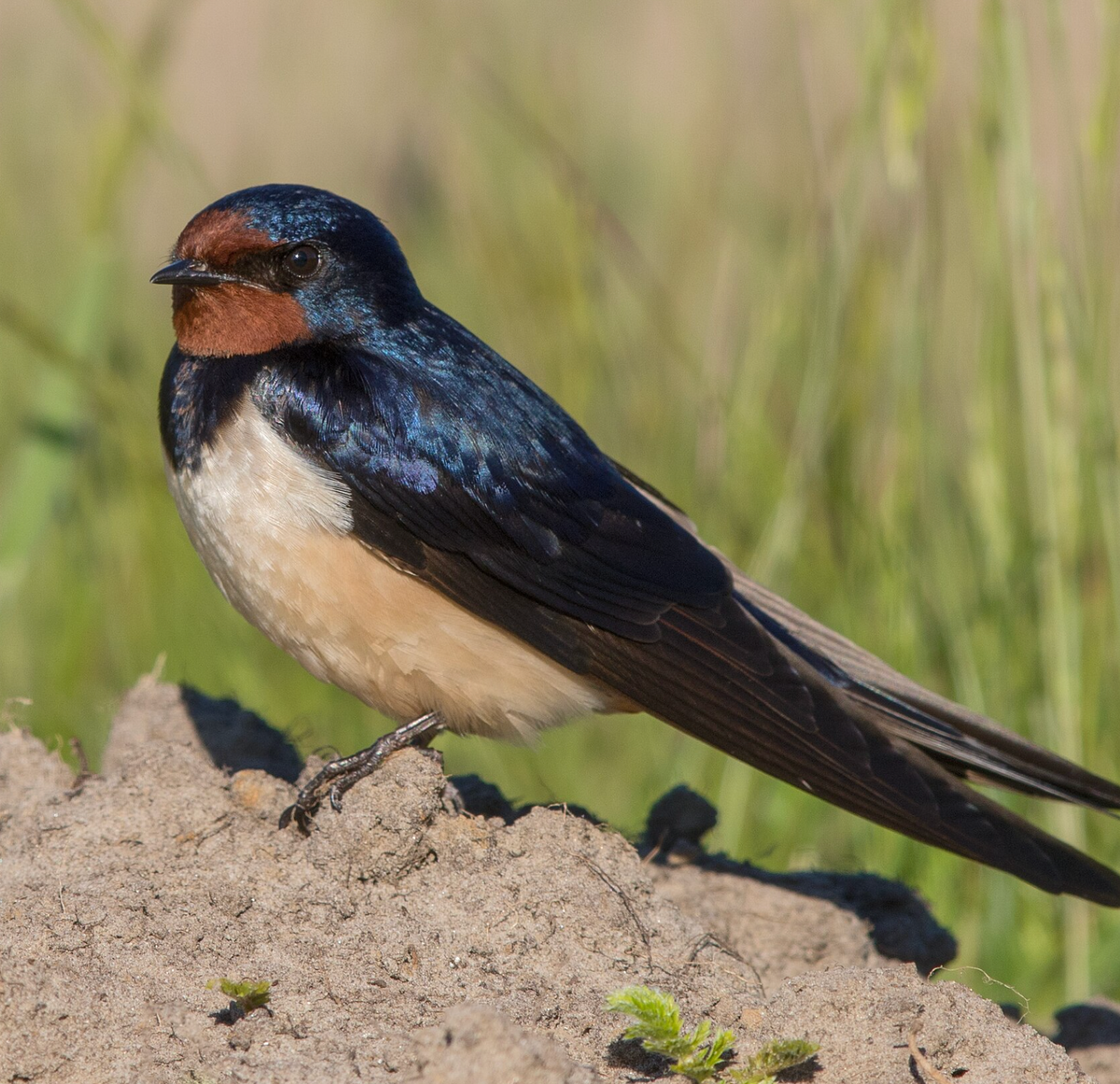
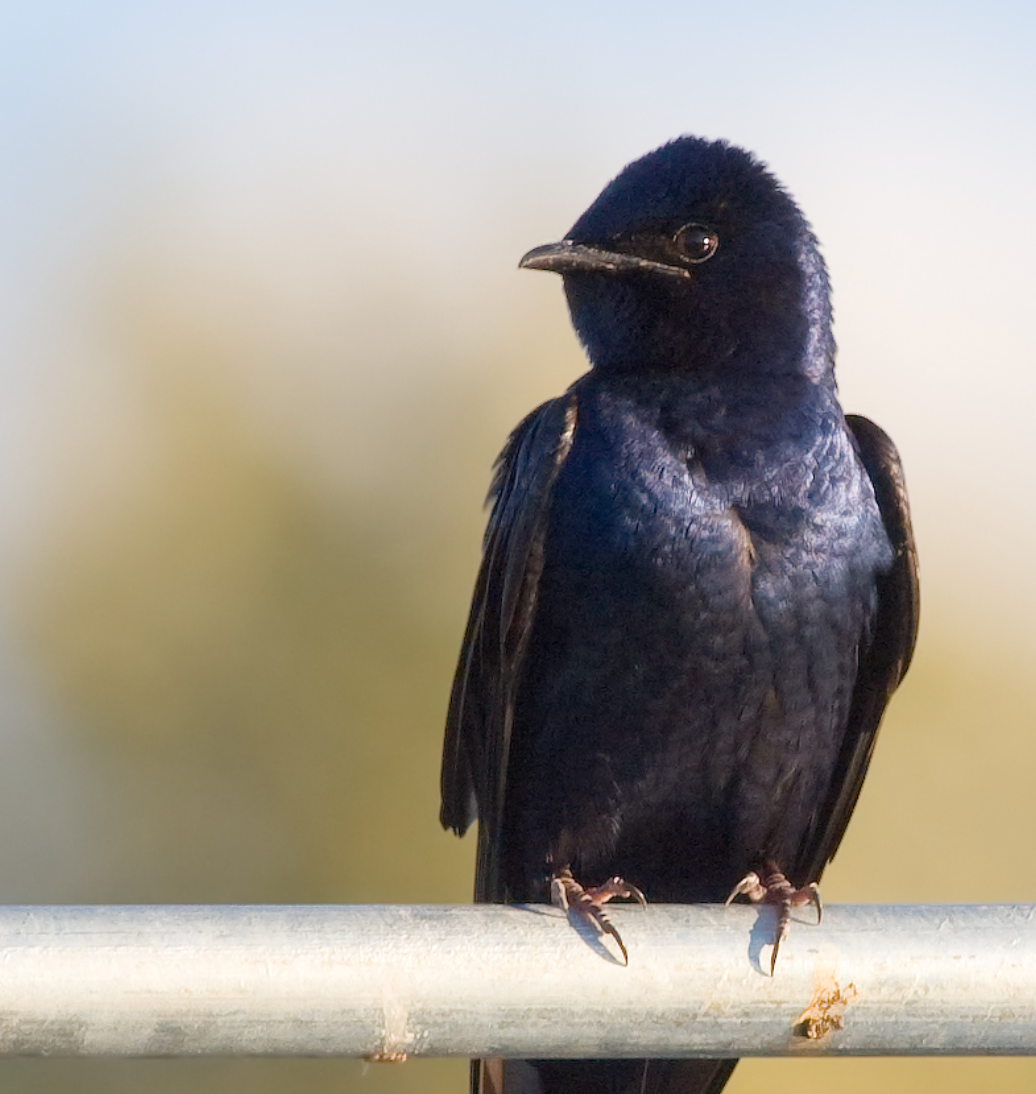
The swallows, martins, and saw-wings, or Hirundinidae, are a family of passerine songbirds found around the world on all continents, including occasionally in Antarctica. Highly adapted to aerial feeding, they have a distinctive appearance.
The Apodidae, or swifts, form a family of highly aerial birds. They are superficially similar to swallows, but are not closely related to any passerine species. Swifts are placed in the order Apodiformes along with hummingbirds.
A passerine is any bird of the order Passeriformes which includes more than half of all bird species. Sometimes known as perching birds, passerines generally have an anisodactyl arrangement of their toes, which facilitates perching.
Hylidae is a wide-ranging family of frogs commonly referred to as "tree frogs and their allies". However, the hylids include a diversity of frog species, many of which do not live in trees, but are terrestrial or semiaquatic.
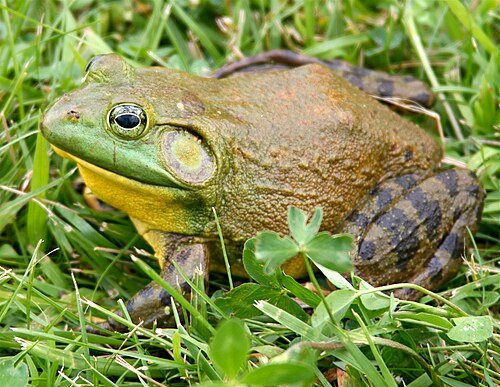
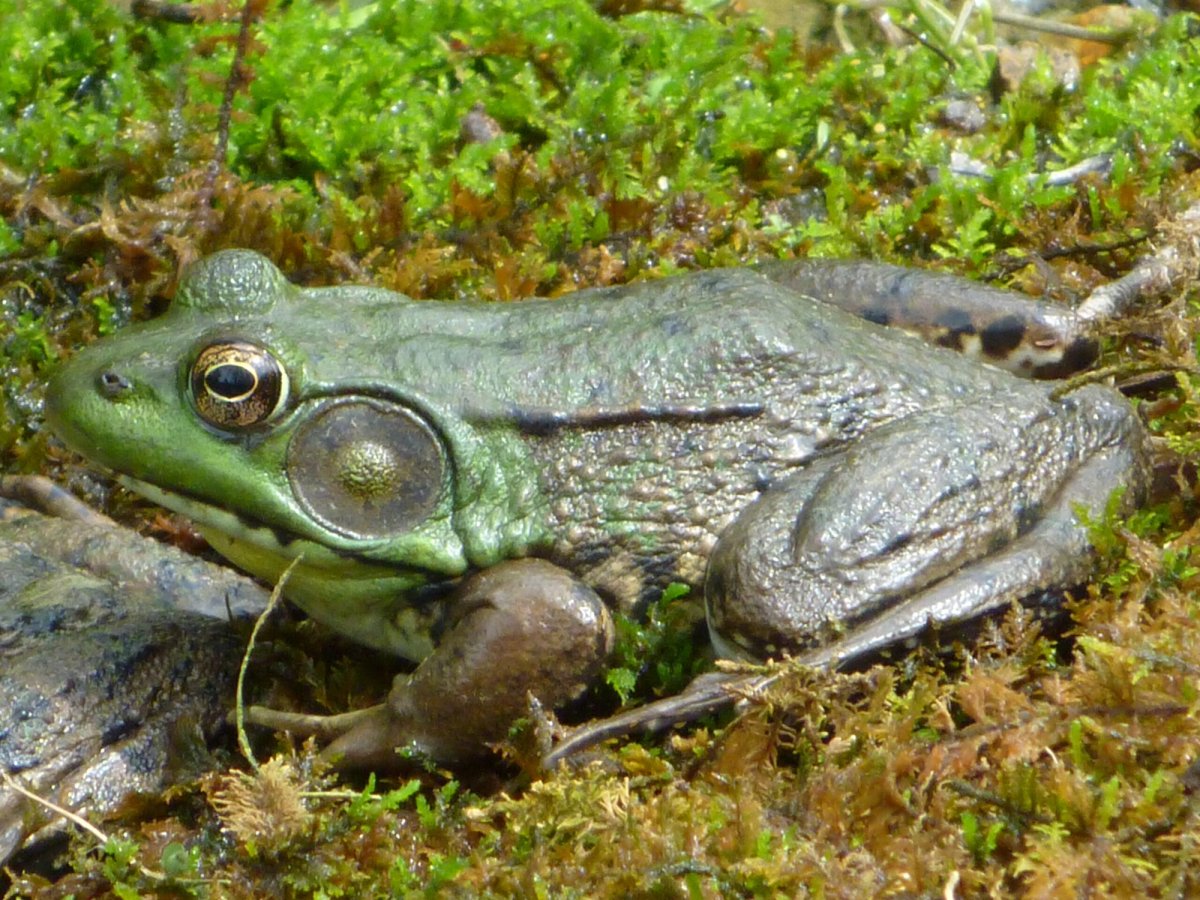
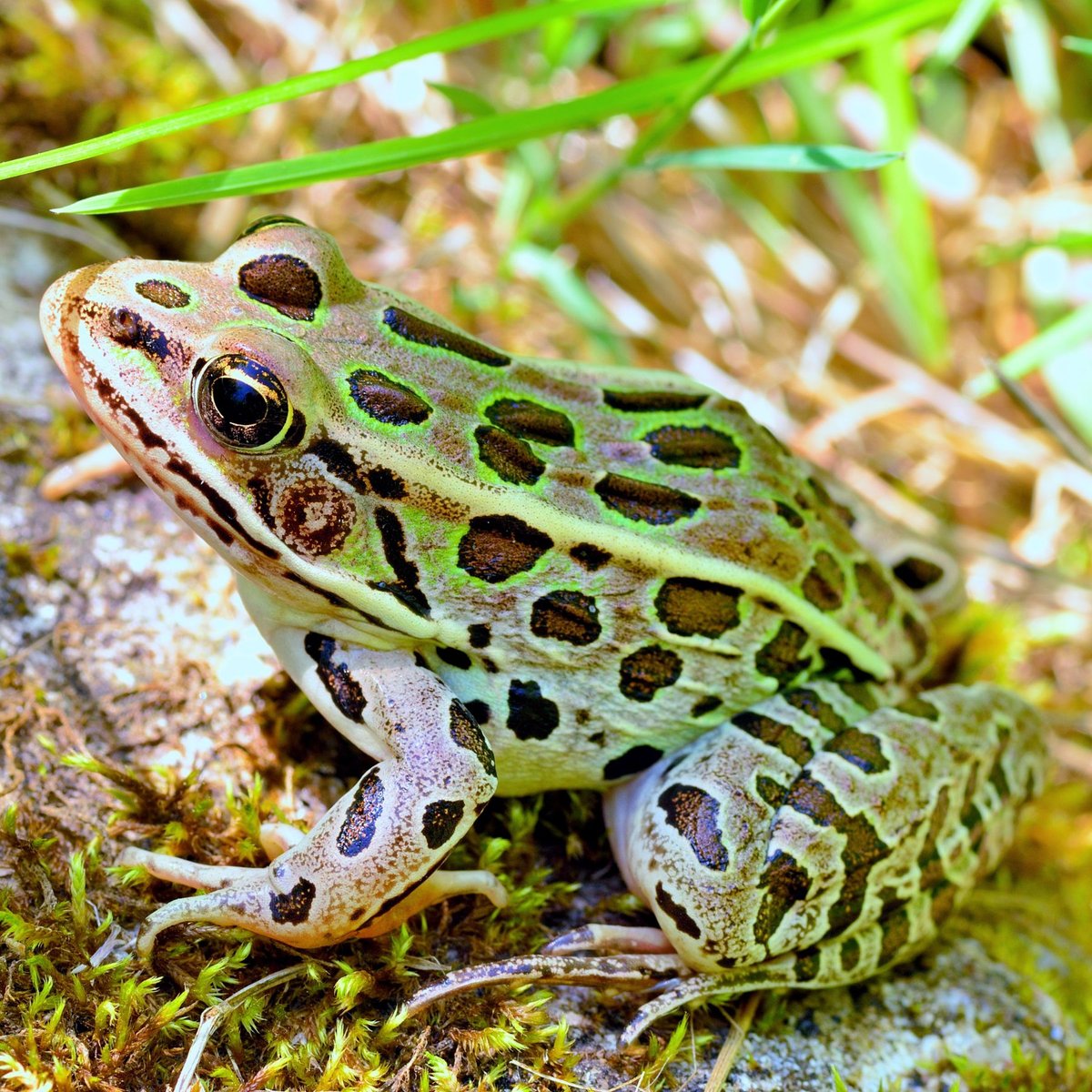
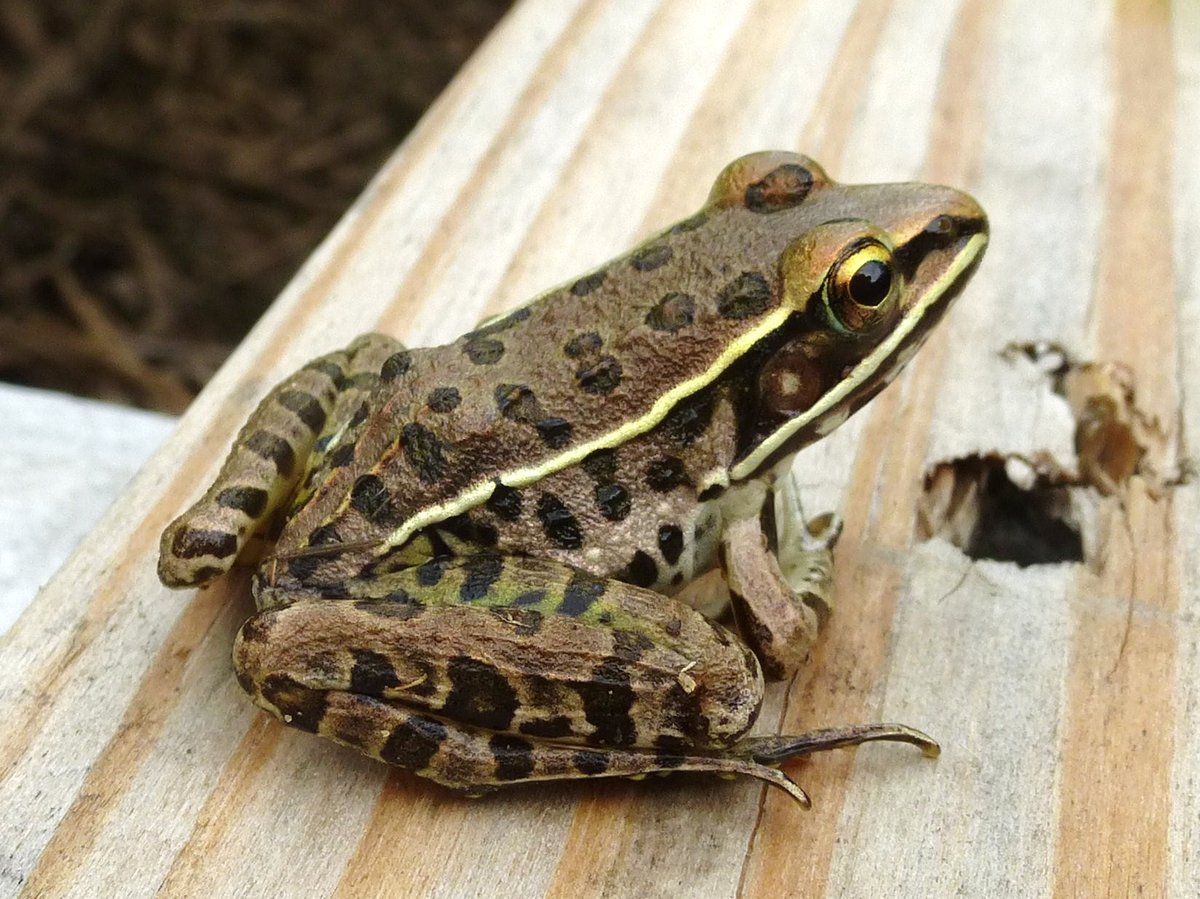
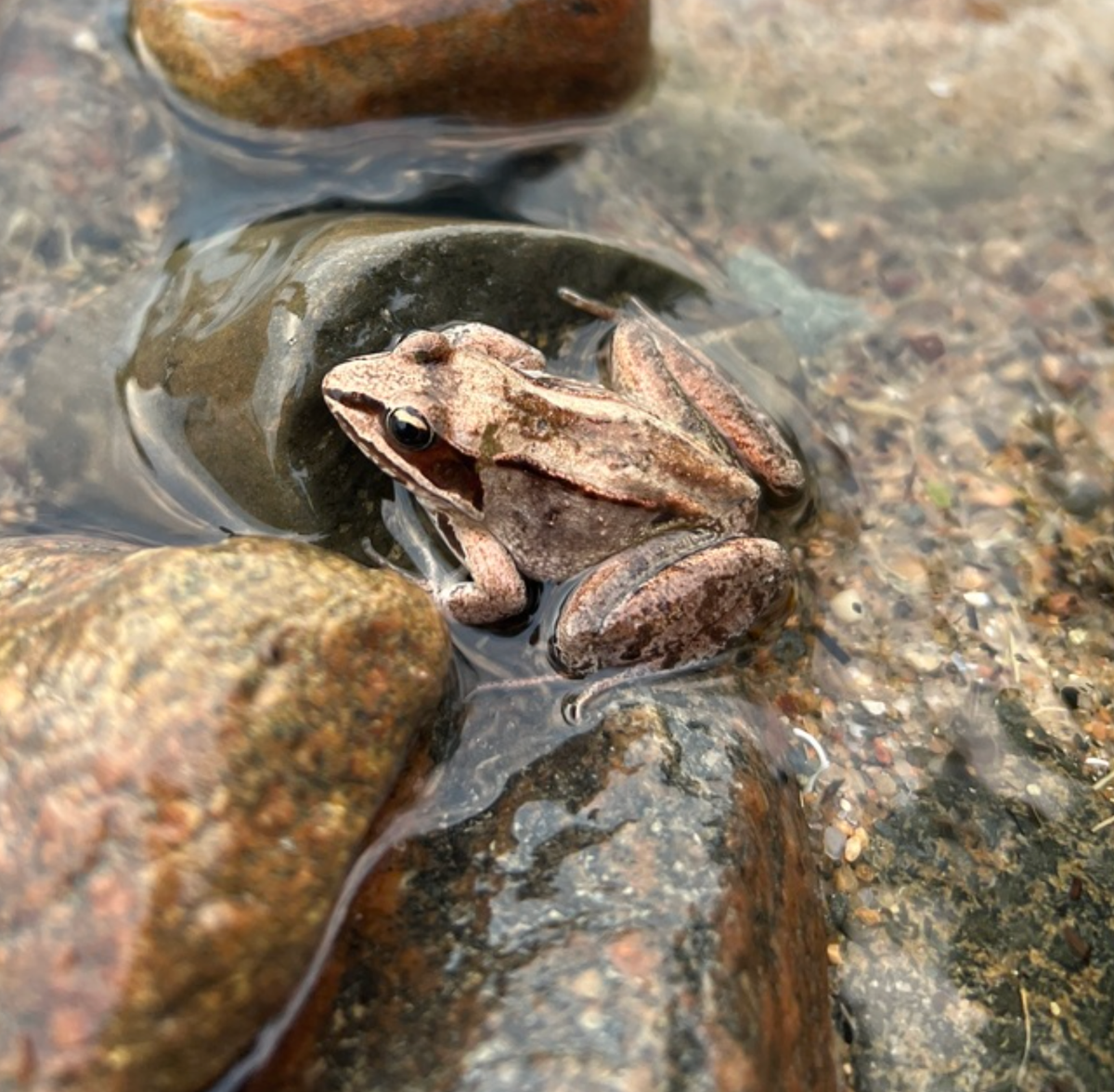
True frogs is the common name for the frog family Ranidae. They have the widest distribution of any frog family. They are abundant throughout most of the world, occurring on all continents except Antarctica. The true frogs are present in North America, northern South America, Europe, Africa, and Asia.
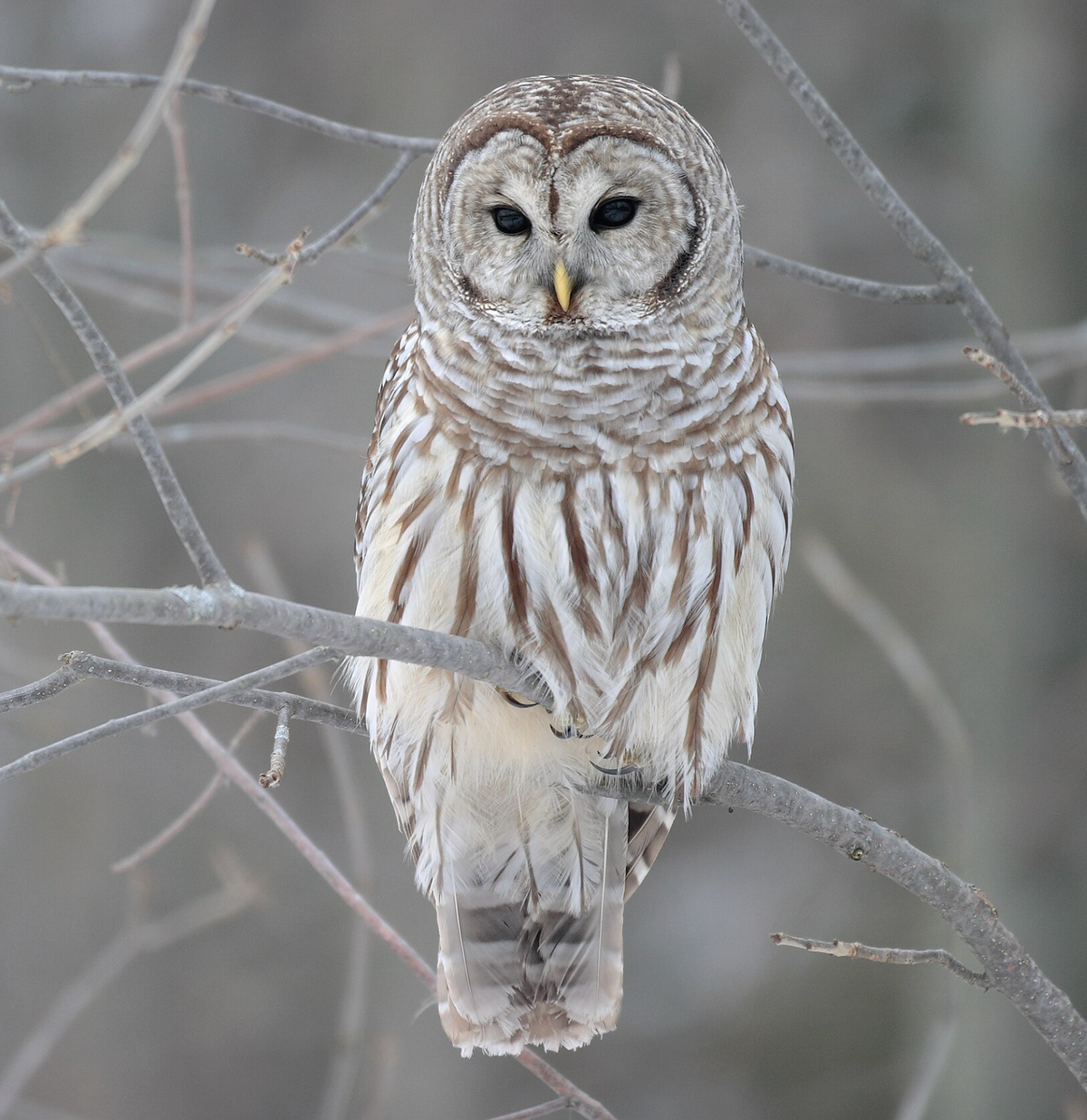
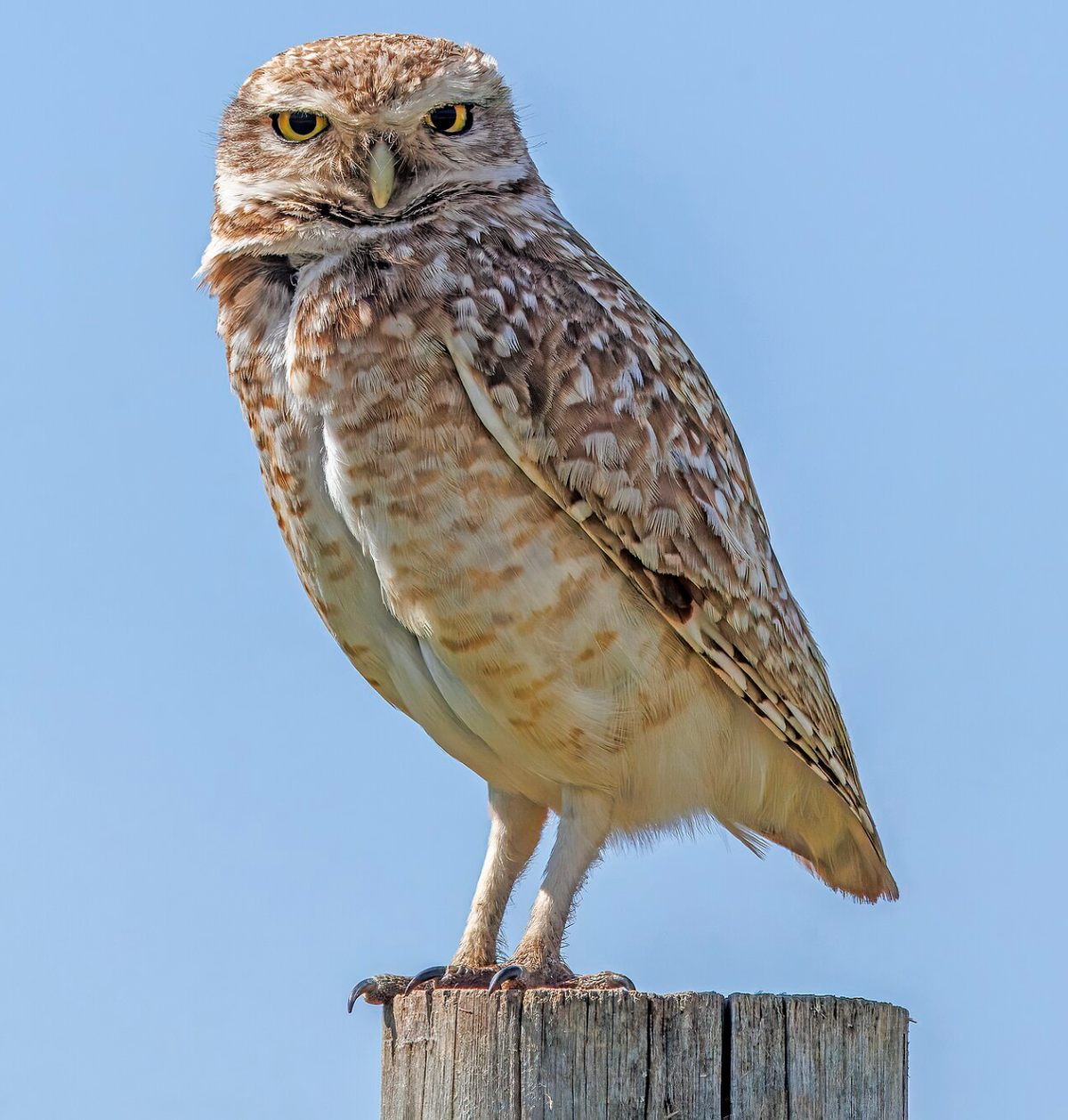
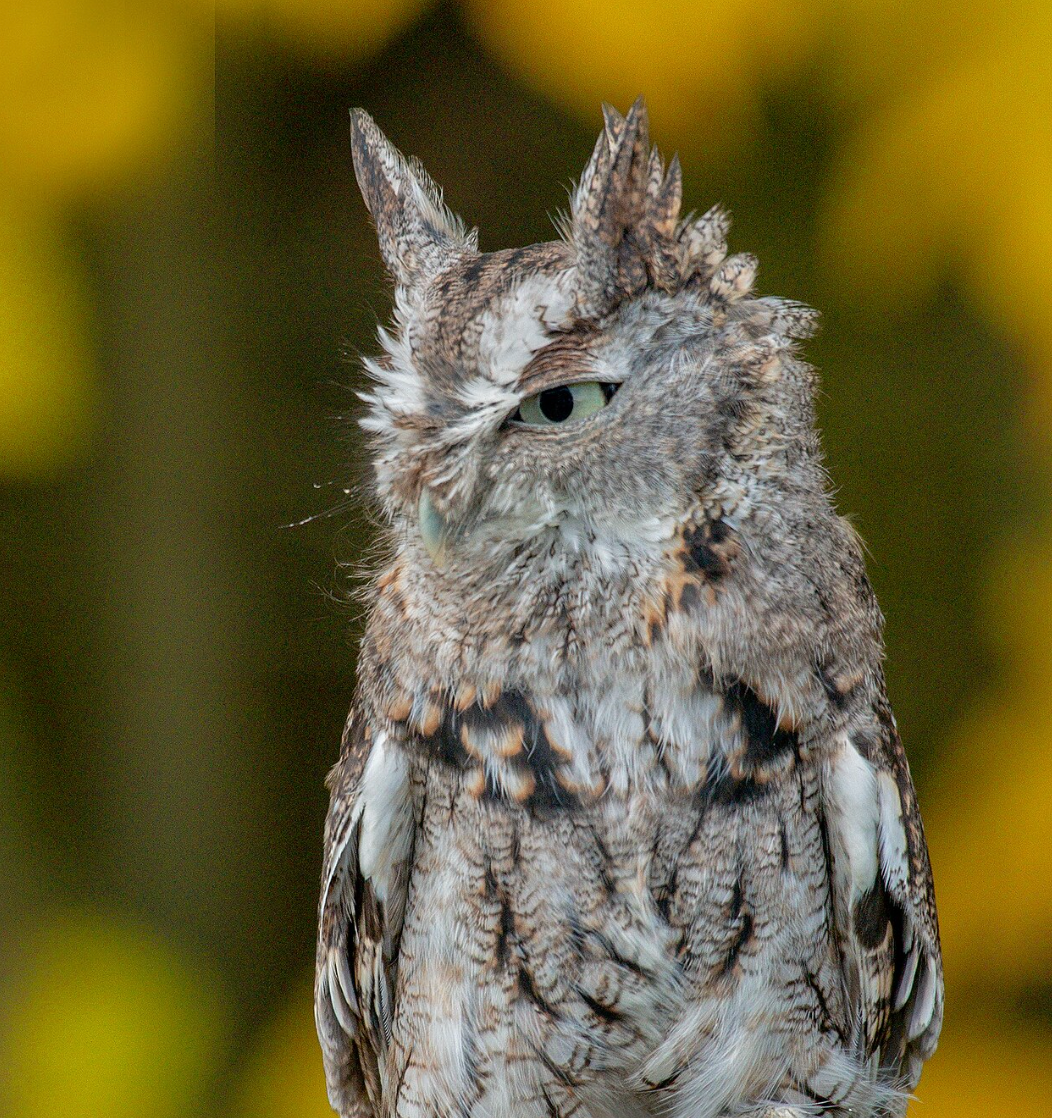
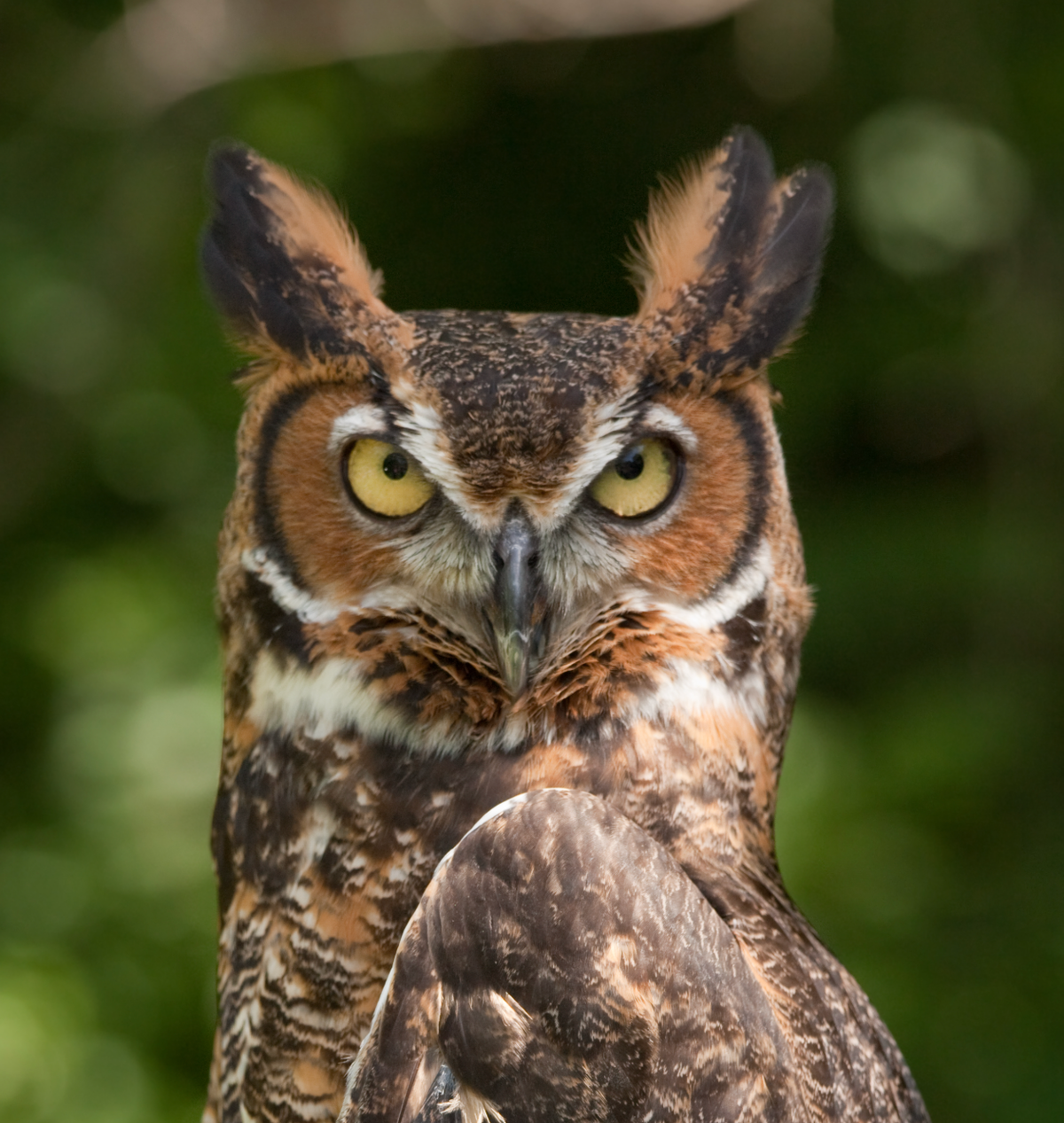
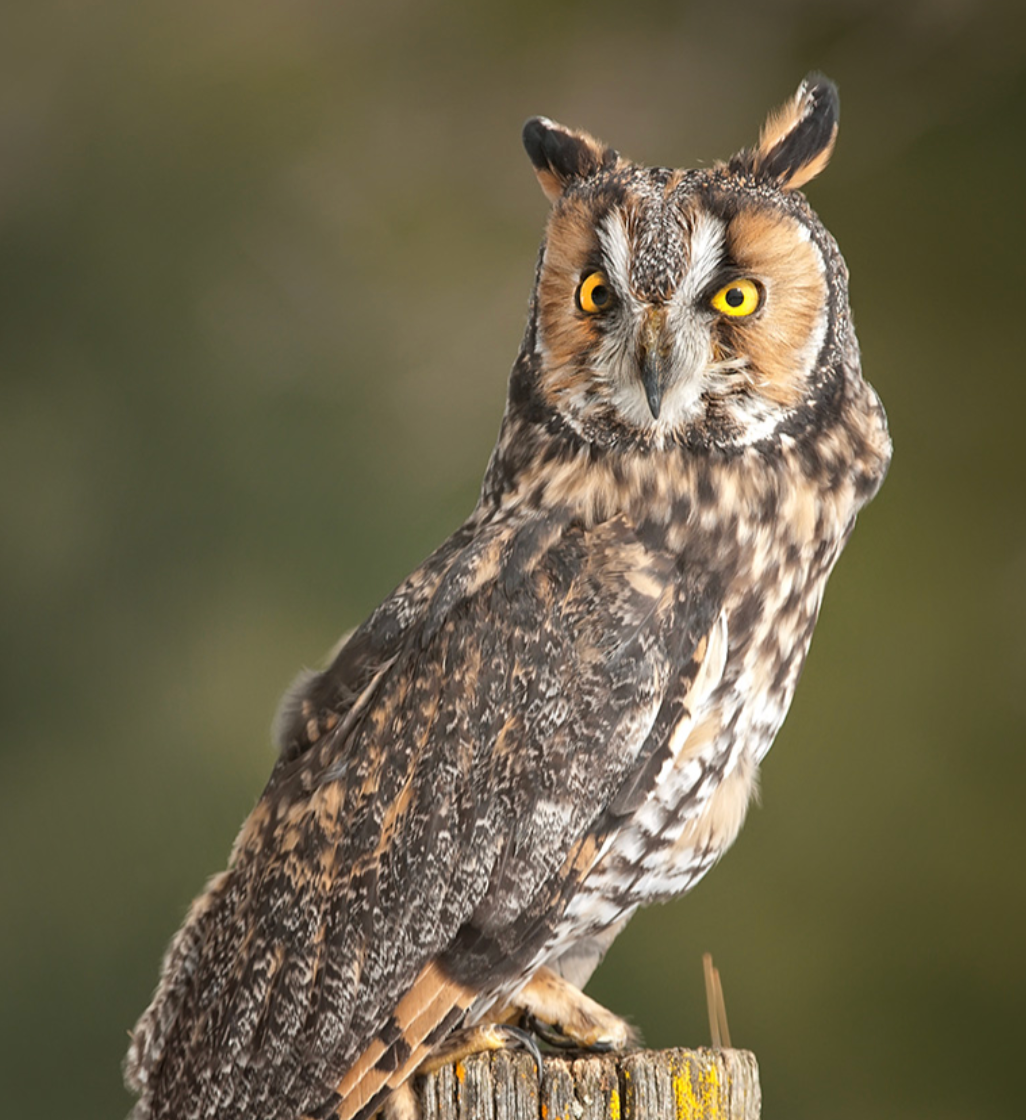
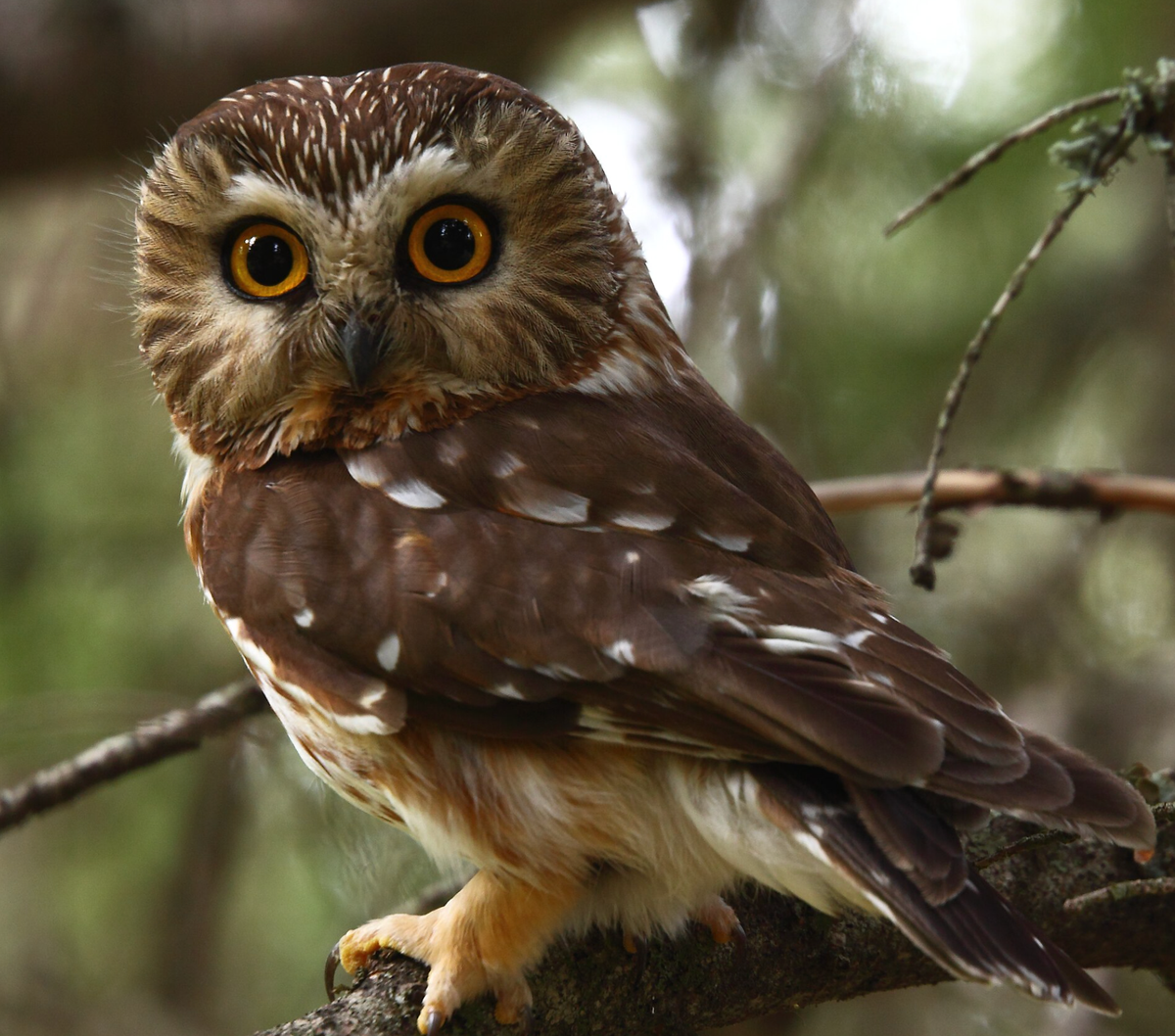
The true owls or typical owls are one of the two generally accepted families of owls, the other being the barn owls and bay owls. This large family comprises 230 living or recently extinct species in 24 genera. The Strigidae owls have a cosmopolitan distribution and are found on every continent except Antarctica.
Anura is the scientific order for all frogs and toads, named from Greek words meaning "without tail," as adult members lack tails and have powerful hind legs for jumping.
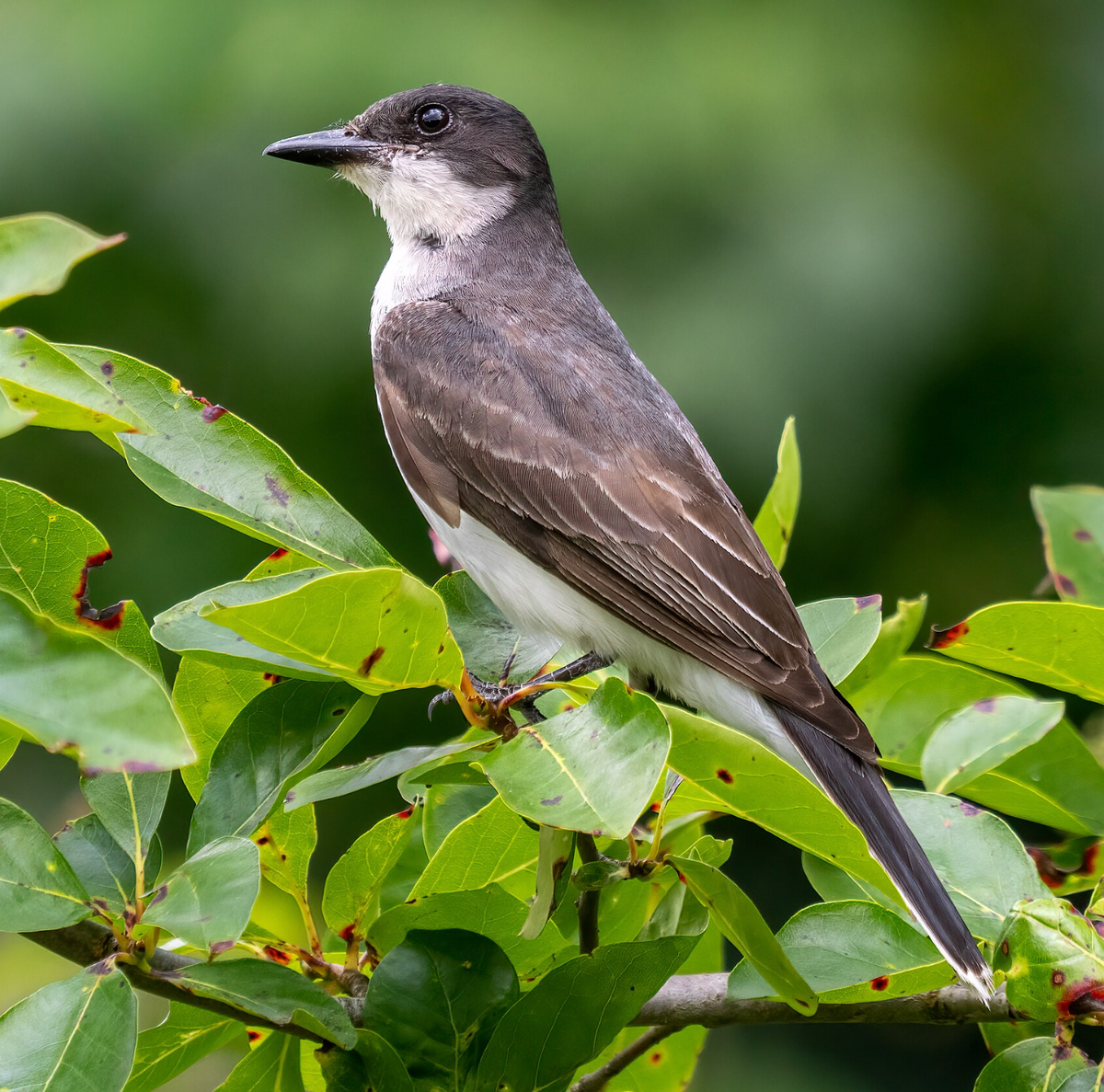
The tyrant flycatchers comprise a family of passerine birds which is found virtually throughout North and South America. It is the world's largest family of birds, with more than 400 species, and is the most diverse avian family in every country in the Americas, except for the US and Canada.
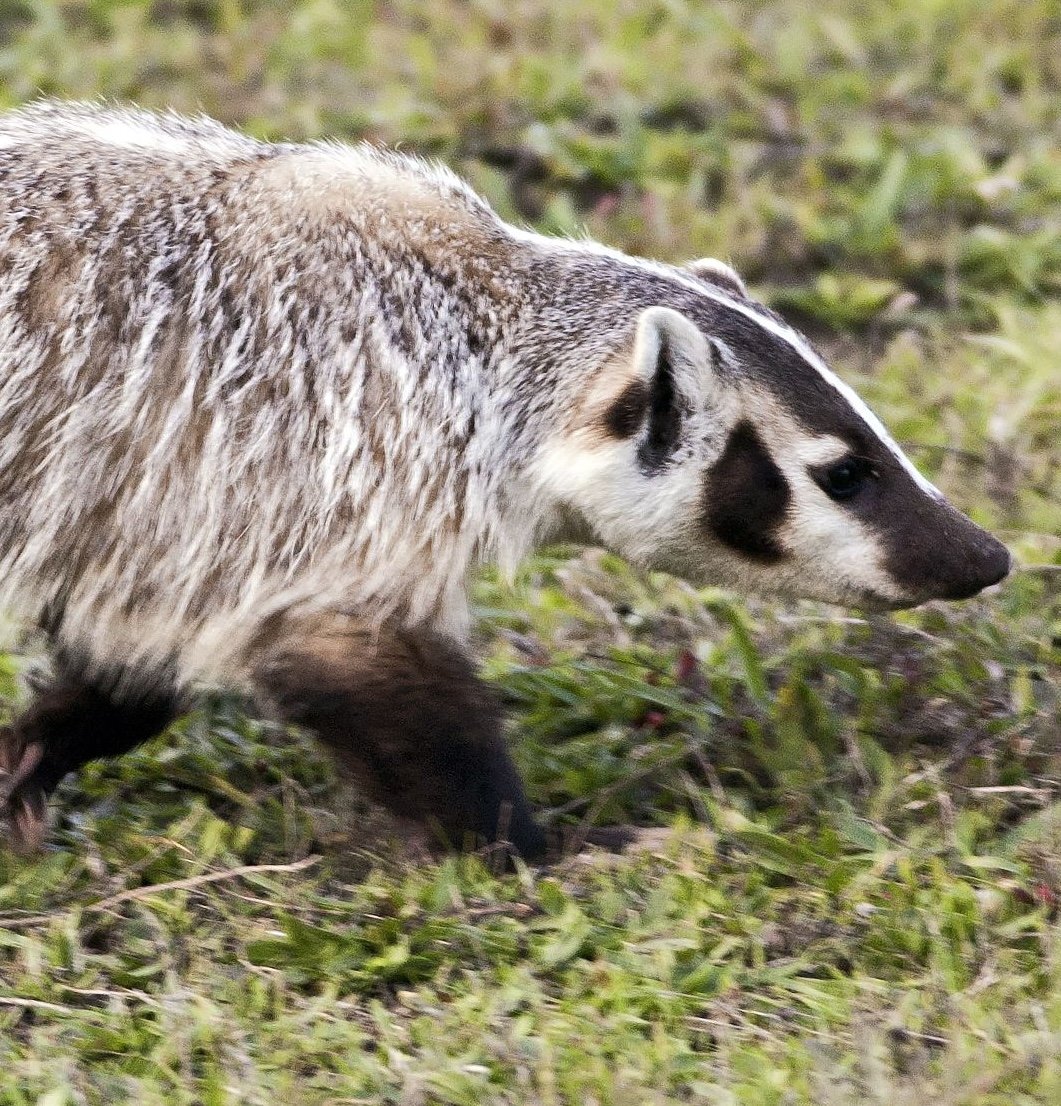
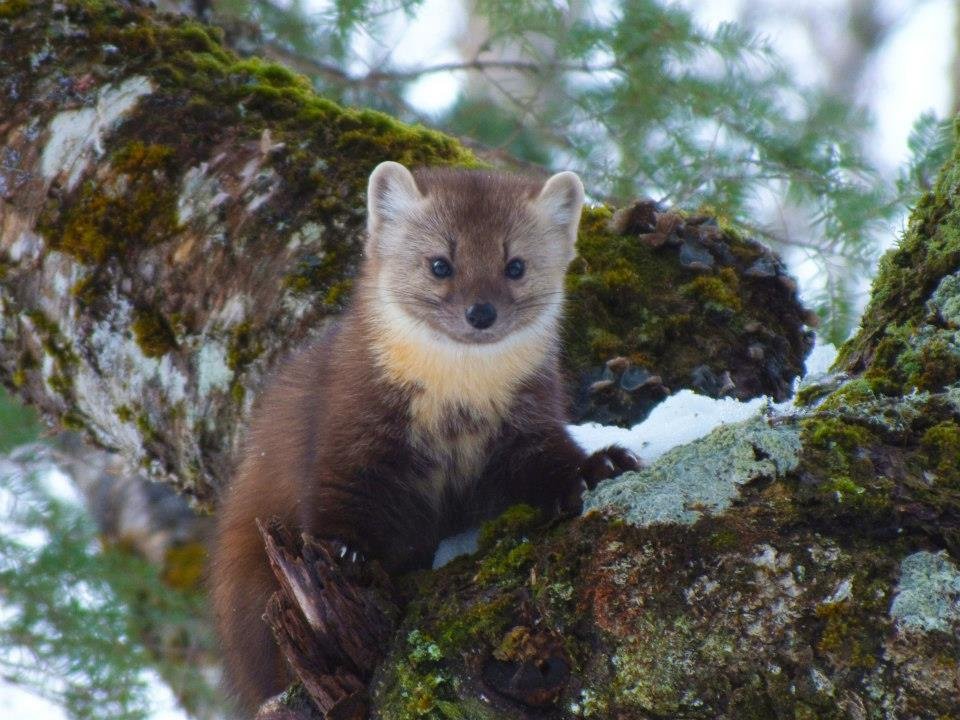
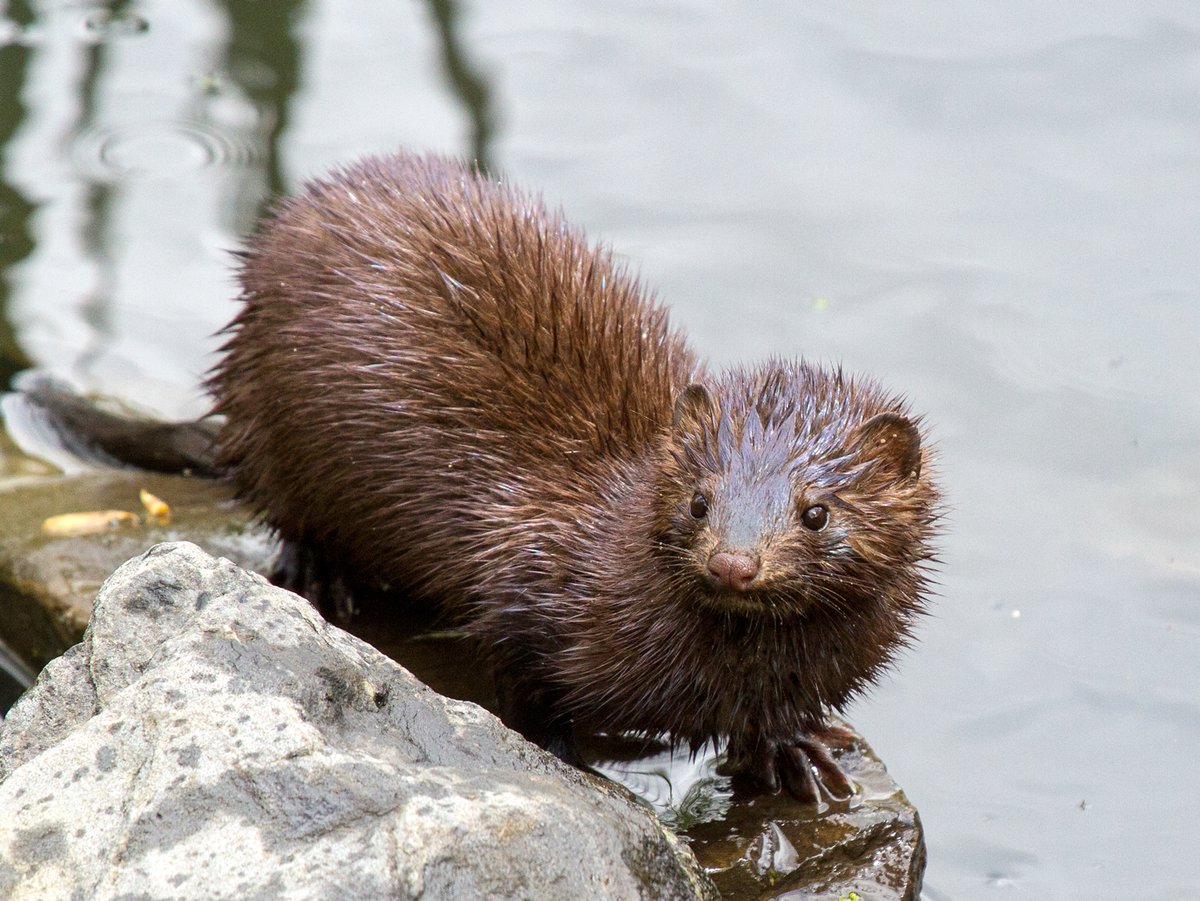
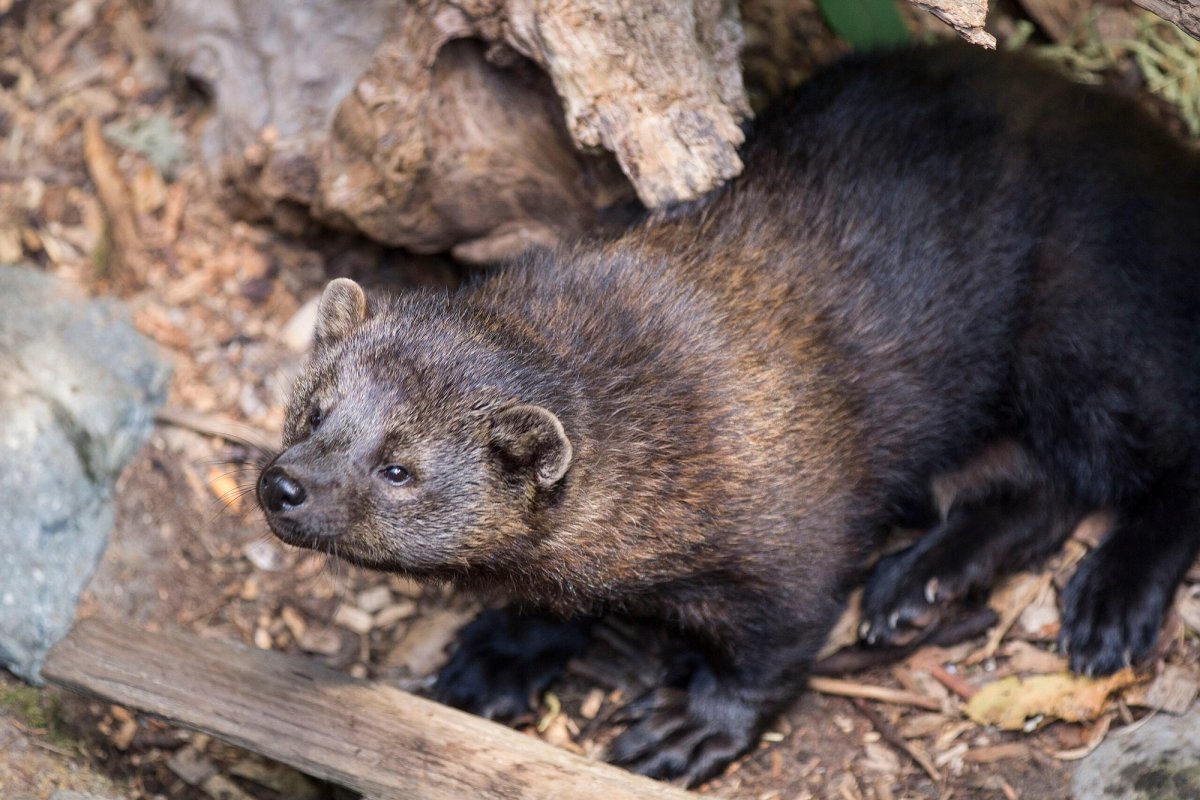
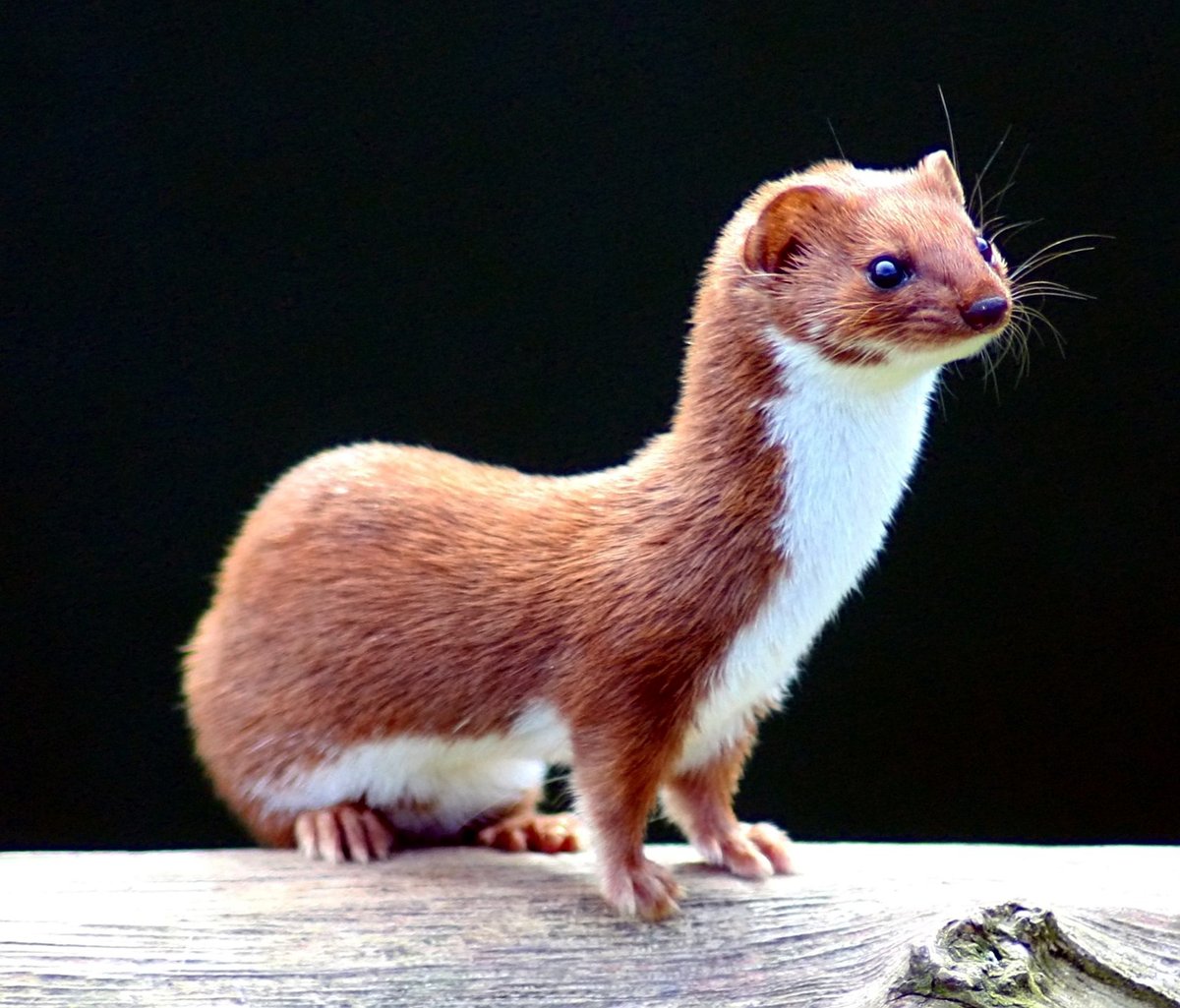
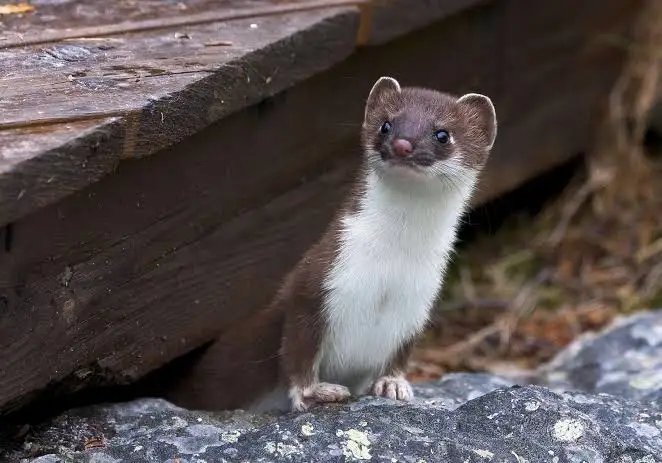
The Mustelidae are a diverse family of carnivoran mammals, including weasels, badgers, otters, polecats, martens, grisons, and wolverines. Otherwise known as mustelids, they form the largest family in the suborder Caniformia of the order Carnivora with about 66 to 70 species in nine subfamilies.
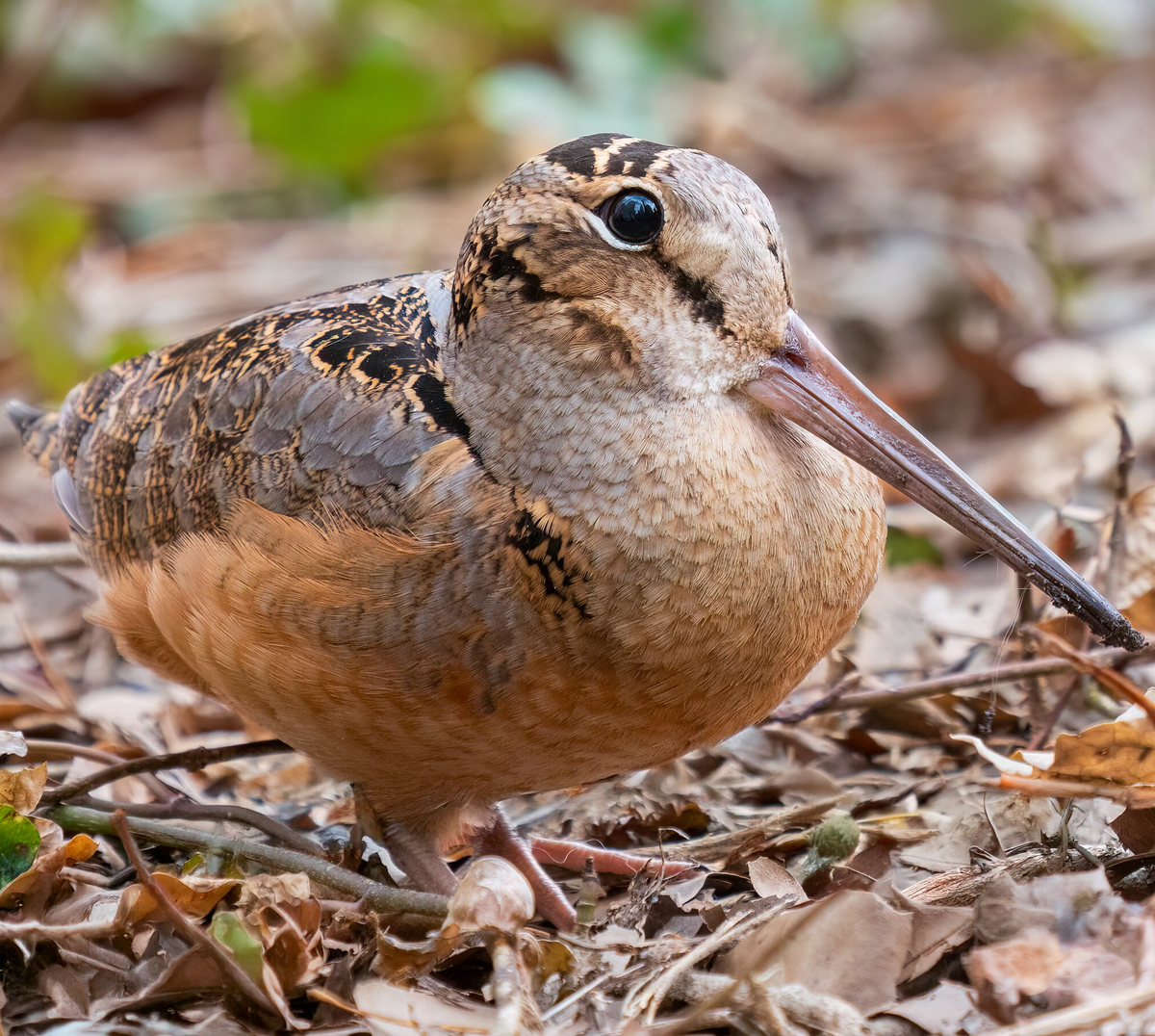
Scolopacidae is a large family of shorebirds, or waders, which mainly includes many species known as sandpipers, but also others such as woodcocks, curlews, and snipes. Most of these species eat small invertebrates picked out of the mud or soil.
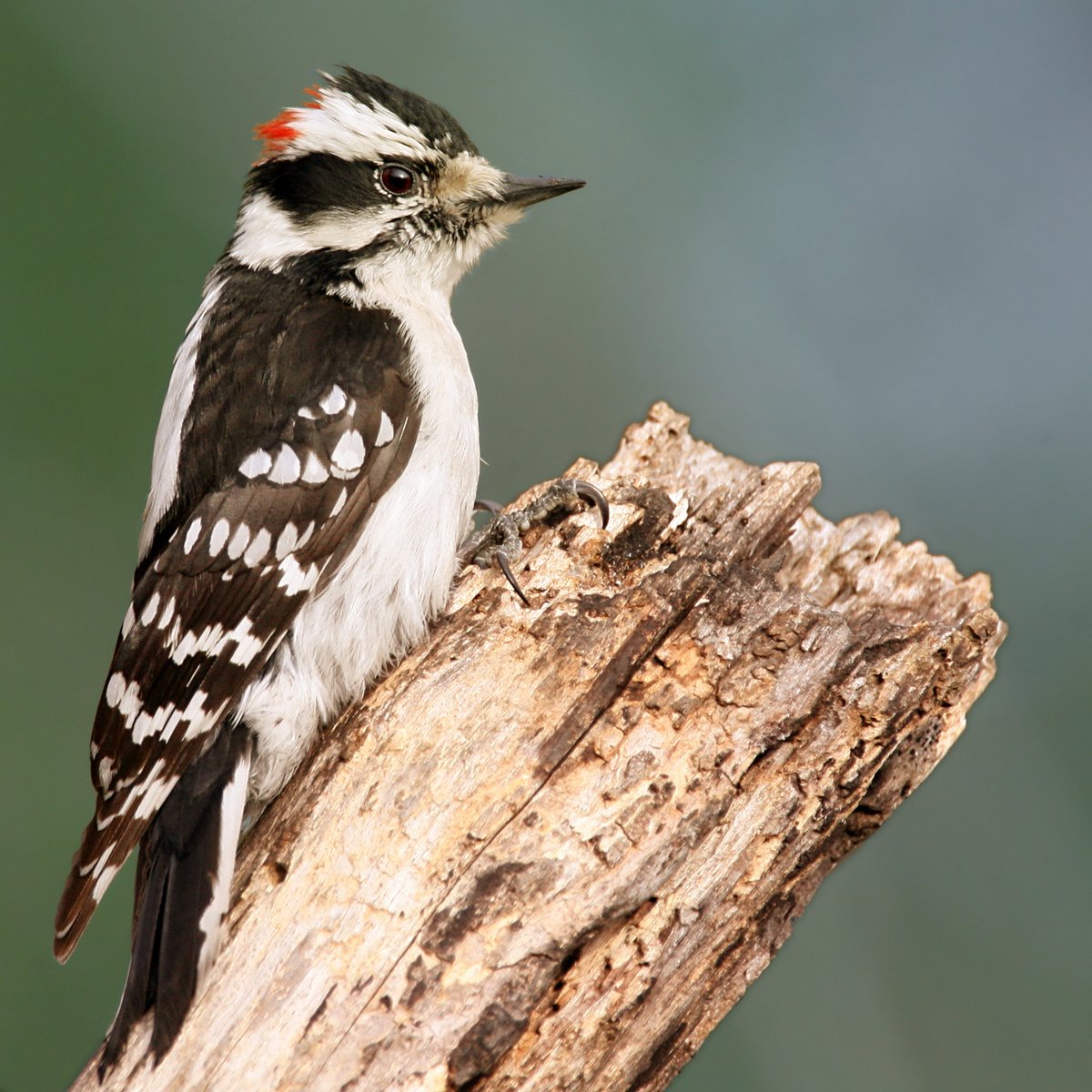
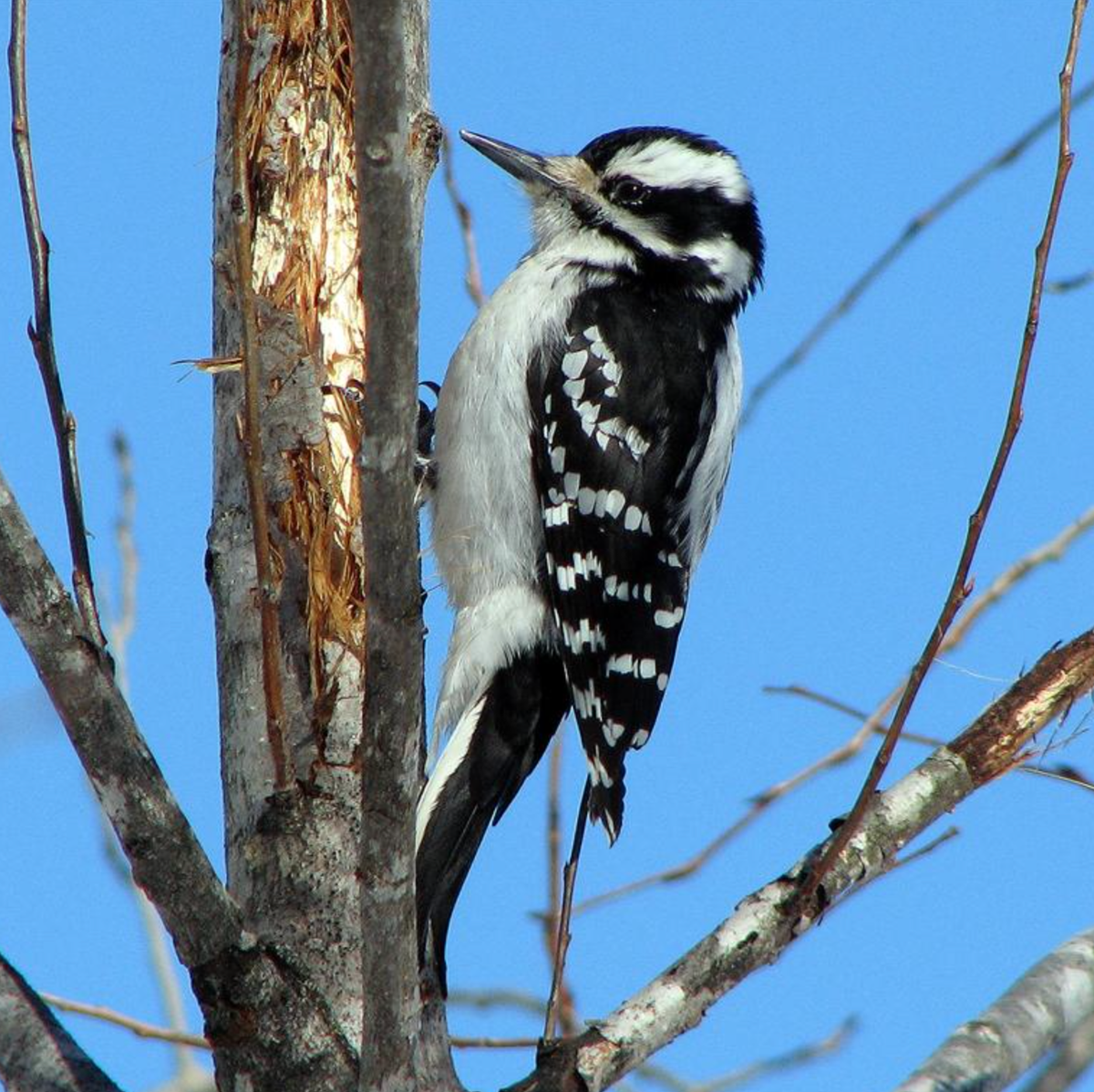
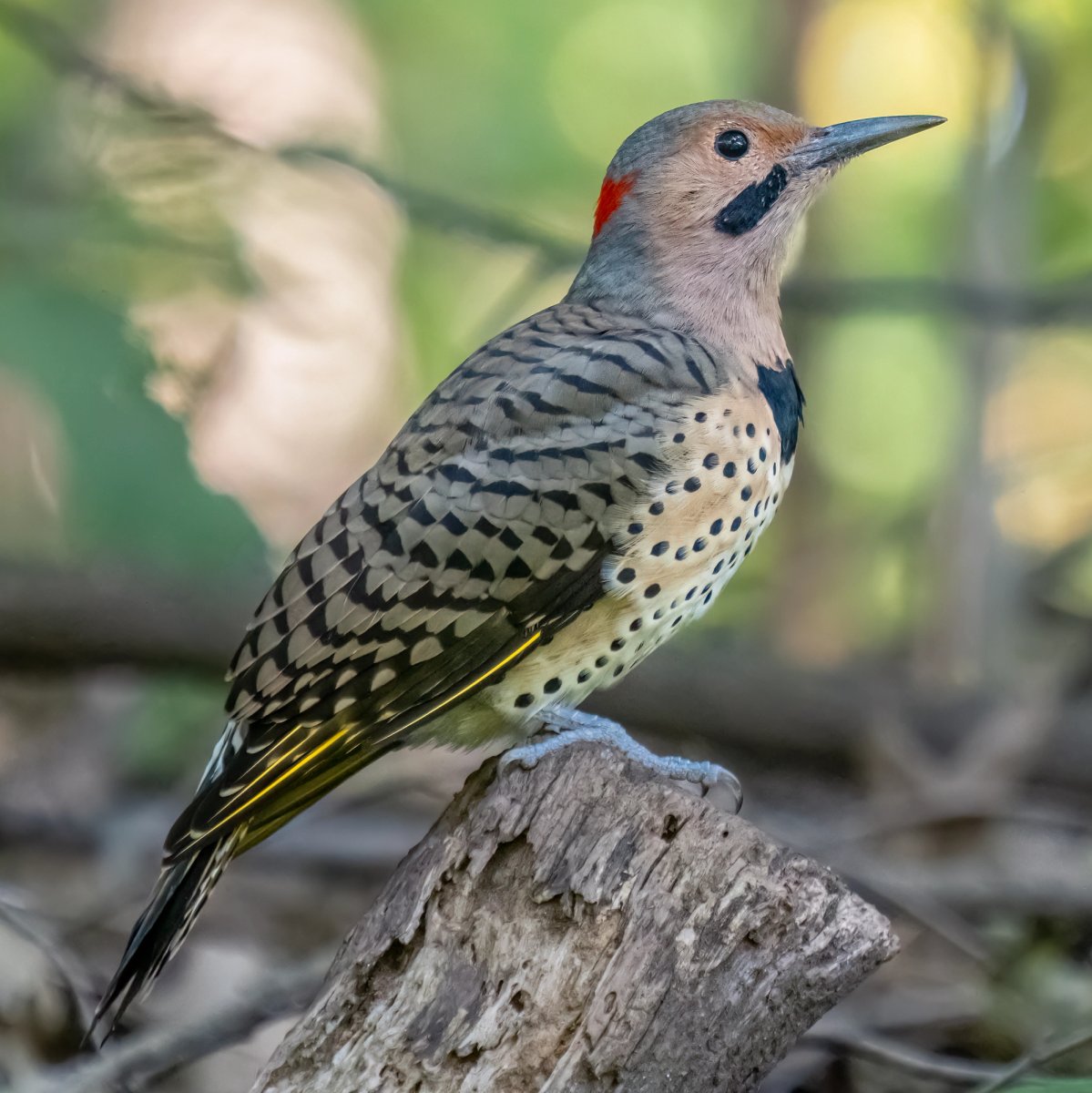
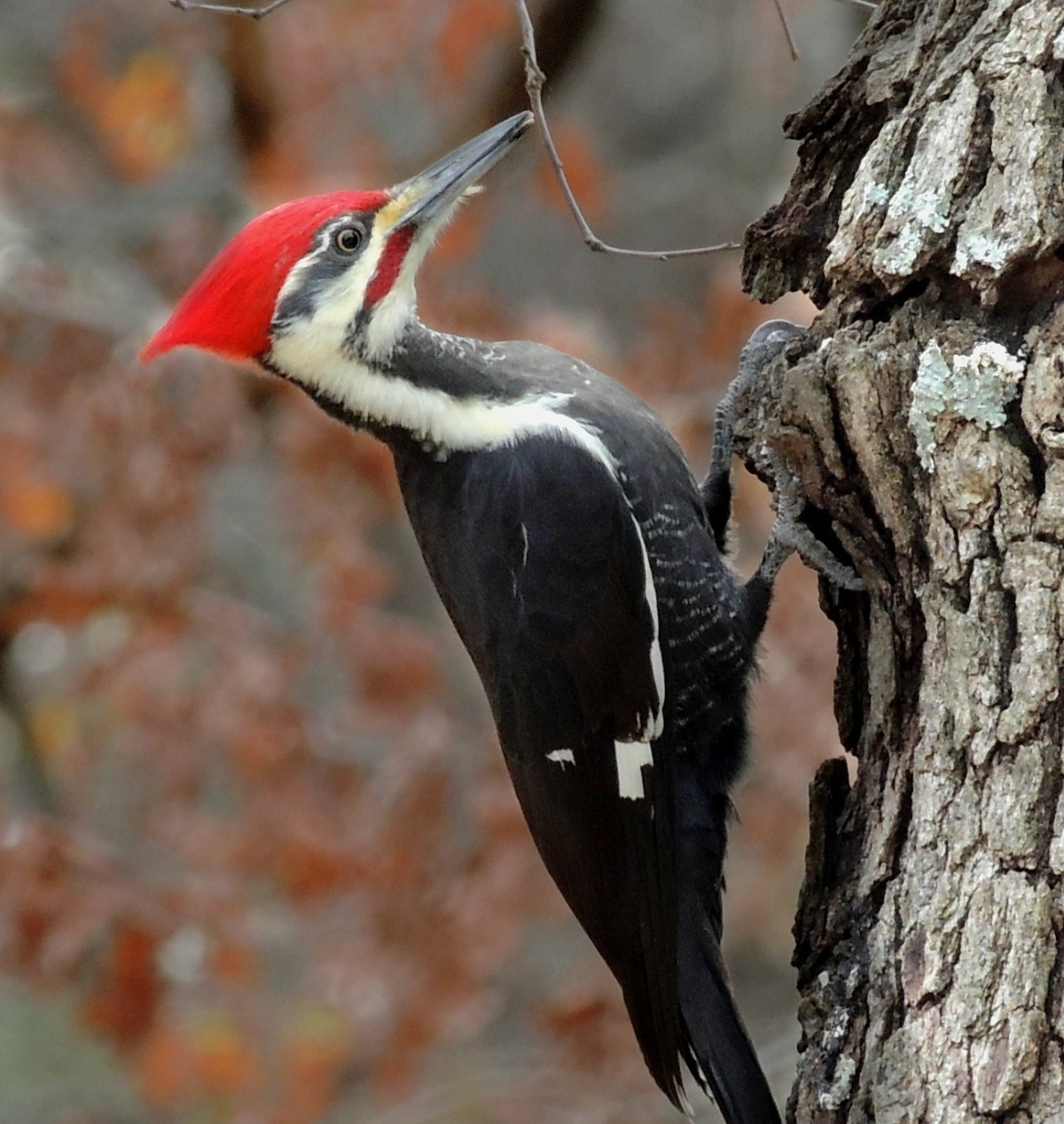
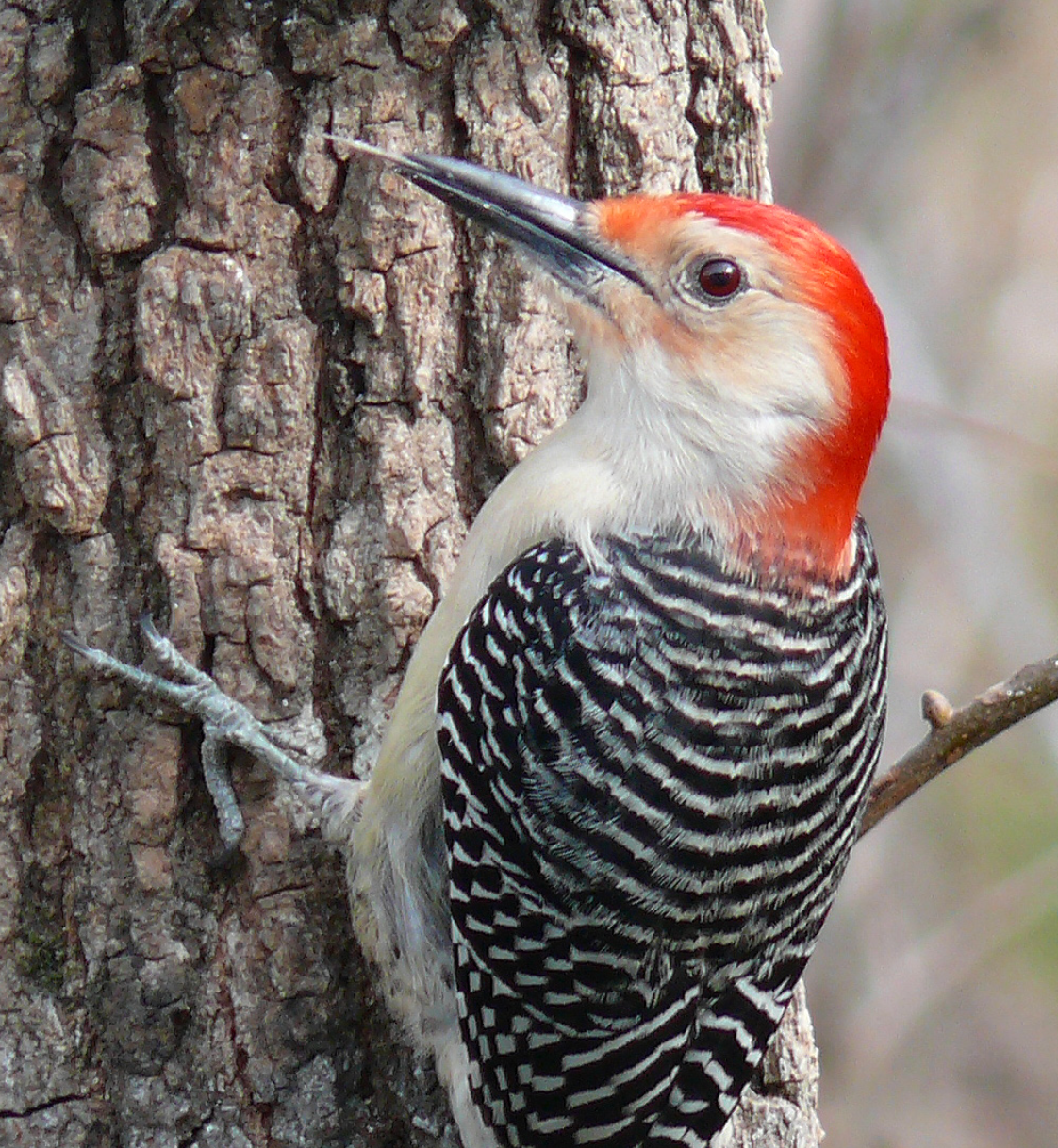
Woodpeckers are part of the bird family Picidae, which also includes the piculets, wrynecks and sapsuckers. Members of this family are found worldwide, except for Australia, New Guinea, New Zealand, Madagascar and the extreme polar regions.