

Common Medications in Squirrel Rehabilitation: A Guide for Caregivers
CRITICAL: This guide is for licensed rehabbers and those working under veterinary supervision. Wildlife rehabilitation often requires prescription medications that must be obtained and dosed by professionals. Improper medication use can be fatal.
Wildlife rehabilitation requires permits and expertise. This site provides educational information for licensed rehabbers and those working under their supervision - always contact a permitted wildlife rehabbers for help with injured or orphaned wildlife.
Full disclaimer
Introduction
This guide provides an overview of medications commonly used in wildlife rehabilitation. Specific dosages and protocols vary by species, age, and condition severity. Always consult with a wildlife veterinarian and established protocols before administering any medications. This guide serves as a starting point for understanding medication categories and their typical applications in wildlife care.
Antiparasitic Medications
Wildlife frequently arrive with parasitic infections that require treatment. Understanding which medications target specific parasites helps rehabilitators work effectively with veterinarians to develop treatment plans.
Fenbendazole (Panacur) is one of the most commonly used dewormers in wildlife rehabilitation. This broad-spectrum antiparasitic effectively treats roundworms, pinworms, and certain protozoans. Its safety profile makes it suitable for most species and age groups, though proper dosing remains critical for effectiveness.
Ponazuril (Marquis) has become increasingly popular for treating coccidia and other protozoal infections. Originally developed for horses, it's proven effective in many wildlife species. Rehabilitators often find it more effective than older treatments, with shorter treatment durations and better outcomes.
Sulfadimethoxine (Albon) remains in use for coccidiosis, though many facilities now prefer ponazuril. This older medication requires longer treatment courses but remains effective when used properly. Some veterinarians still prescribe it based on specific resistance patterns or availability.
Metronidazole (Flagyl) targets anaerobic bacteria and certain parasites, particularly Giardia. Its effectiveness against specific gastrointestinal pathogens makes it valuable, though careful dosing is essential as overdoses can cause neurological effects in some species.
Antibiotic Medications
Bacterial infections represent significant challenges in wildlife rehabilitation, whether from wounds, respiratory infections, or systemic illness. Understanding antibiotic options helps rehabilitators communicate effectively with veterinarians about treatment needs.
Enrofloxacin (Baytril) serves as a broad-spectrum antibiotic effective against many bacterial infections. Commonly used for respiratory infections, wound management, and cases involving cat attacks, it's often a first-line choice. However, veterinarians consider its potential effects on growing cartilage when treating juvenile animals.
Amoxicillin/Clavulanic Acid (Clavamox) provides another broad-spectrum option that's generally well-tolerated across species. Its effectiveness against skin and soft tissue infections makes it particularly useful for bite wounds and abscesses. The addition of clavulanic acid helps overcome bacterial resistance.
Sulfamethoxazole/Trimethoprim (SMZ-TMP) offers treatment for respiratory and urinary tract infections. This combination antibiotic works well for certain resistant infections and provides an alternative when other antibiotics prove ineffective.
Pain Management and Anti-inflammatory Medications
Wildlife often arrives in pain from trauma, and appropriate pain management improves outcomes while addressing welfare concerns. These medications require careful monitoring but play crucial roles in rehabilitation.
Meloxicam (Metacam), a non-steroidal anti-inflammatory drug, provides pain relief and reduces inflammation. Commonly used for trauma cases, post-surgical pain, and inflammatory conditions, it's generally well-tolerated when given with food. Duration of treatment varies based on the condition being treated.
Tramadol offers pain relief for more severe conditions. As an opioid-like medication, it's reserved for cases with significant pain that doesn't respond to NSAIDs alone. Veterinarians carefully consider its use based on the severity of injury and species-specific responses.
Emergency and Supportive Medications
Certain conditions require immediate intervention with specialized medications. These drugs typically require veterinary administration or direct oversight.
Dexamethasone, a potent corticosteroid, finds use in emergency situations involving head trauma, spinal injuries, or severe allergic reactions. Its powerful anti-inflammatory effects can be life-saving but require careful veterinary oversight due to potential side effects.
Calcium supplementation becomes critical in cases of metabolic bone disease or acute hypocalcemia. Various formulations exist, from oral supplements to injectable solutions for emergency intervention. Proper diagnosis drives the choice of calcium preparation and route of administration.
Gastrointestinal Support
Maintaining healthy gut function proves essential for recovery, especially following antibiotic treatment or during dietary transitions.
Probiotics help restore beneficial gut bacteria disrupted by illness, stress, or antibiotic treatment. Various formulations exist specifically for animals, and timing of administration relative to antibiotics affects effectiveness. Most protocols recommend spacing probiotics at least two hours from antibiotic doses.
Finding Reliable Dosing Information
Accurate dosing information requires consultation with authoritative sources and experienced professionals. The following resources provide evidence-based protocols for wildlife medication use:
Professional Organizations:
The National Wildlife Rehabilitators Association (NWRA) publishes "Principles of Wildlife Rehabilitation," containing medication guidelines
The International Wildlife Rehabilitation Council (IWRC) offers courses covering pharmacology for wildlife
State wildlife rehabilitation associations often maintain region-specific protocols
Veterinary References:
"Exotic Animal Formulary" by James Carpenter includes wildlife species
"Medical Management of Wildlife Species" by Hernandez and Gamble
"Zoo and Wild Animal Medicine" by Fowler and Miller
Journal of Wildlife Diseases publishes peer-reviewed treatment studies
Establishing Protocols: Work with wildlife veterinarians to develop facility-specific protocols based on:
Species commonly treated
Regional disease patterns
Available medications
Staff experience levels
Important Considerations
Successful medication use in wildlife rehabilitation depends on multiple factors beyond choosing the right drug. Weight-based dosing requires accurate daily weights, as growing animals need frequent dose adjustments. Route of administration affects both efficacy and stress levels, oral medications mixed with food cause less stress than injections but require assured consumption.
Species-specific metabolism means a dose safe for one species may be toxic to another. Never extrapolate doses between species without veterinary guidance. Some medications require compounding to achieve appropriate concentrations for small wildlife, necessitating relationships with compounding pharmacies familiar with wildlife needs.
Record Keeping and Monitoring
Detailed records improve treatment outcomes and build institutional knowledge. Document medication name, dose given, route of administration, time of administration, and response to treatment. Note any adverse reactions immediately and contact veterinary support.
Daily monitoring during treatment should include weight, appetite, behavior changes, and resolution of clinical signs. Fecal examinations before and after parasite treatment confirm effectiveness. Adjusting protocols based on response improves outcomes for future patients.
This overview introduces common medications in wildlife rehabilitation without providing specific doses that could be misapplied. Successful rehabilitation requires collaboration between rehabberrs and veterinarians, with protocols tailored to specific facilities and regions. Continue building knowledge through professional development opportunities, networking with experienced rehabilitators, and maintaining strong veterinary relationships. Remember that medication represents only one aspect of rehabilitation, proper nutrition, housing, and minimize stress remain equally important for successful outcomes.
Recommended Supplies
Tools and supplies commonly used by wildlife rehabbers.
As an Amazon Associate, Juniper earns from qualifying purchases. Links below are affiliate links — your price is unchanged.
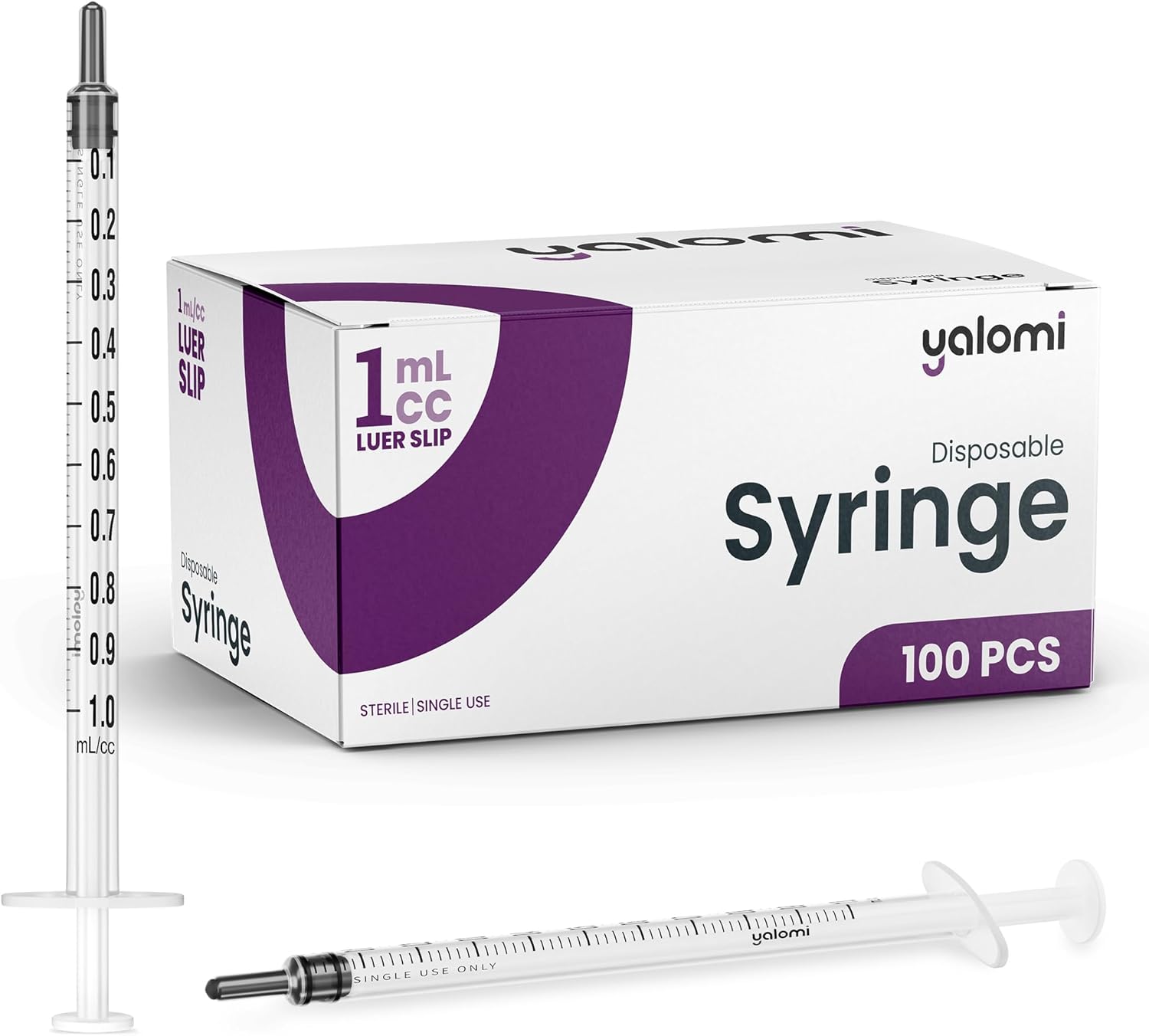
Yalomi 1mL Luer Slip Syringes (100-pack, no needle)
Sterile, individually wrapped 1cc syringes. Luer slip tip pairs with Miracle Nipples for everyday hand-feeding.
View on Amazon
Fleece Pet Blankets (multi-pack)
Multi-pack of small fleece blankets — keep a deep stack on hand for bedding rotations, soiled-laundry cycles, and emergency intake.
View on Amazon
Borneo Small Animal Cage for Squirrels
Wire small-animal cage suitable for juvenile squirrels in pre-release conditioning. Pair with branches and nest boxes for enrichment.
View on Amazon