

Dwarf Squirrel Guide
Dwarf squirrels present unique challenges in wildlife rehabilitation. These individuals, whether due to genetic conditions or developmental issues, require specialized care protocols that differ significantly from standard squirrel rehabilitation practices.
Wildlife rehabilitation requires permits and expertise. This site provides educational information for licensed rehabbers and those working under their supervision - always contact a permitted wildlife rehabbers for help with injured or orphaned wildlife.
Full disclaimer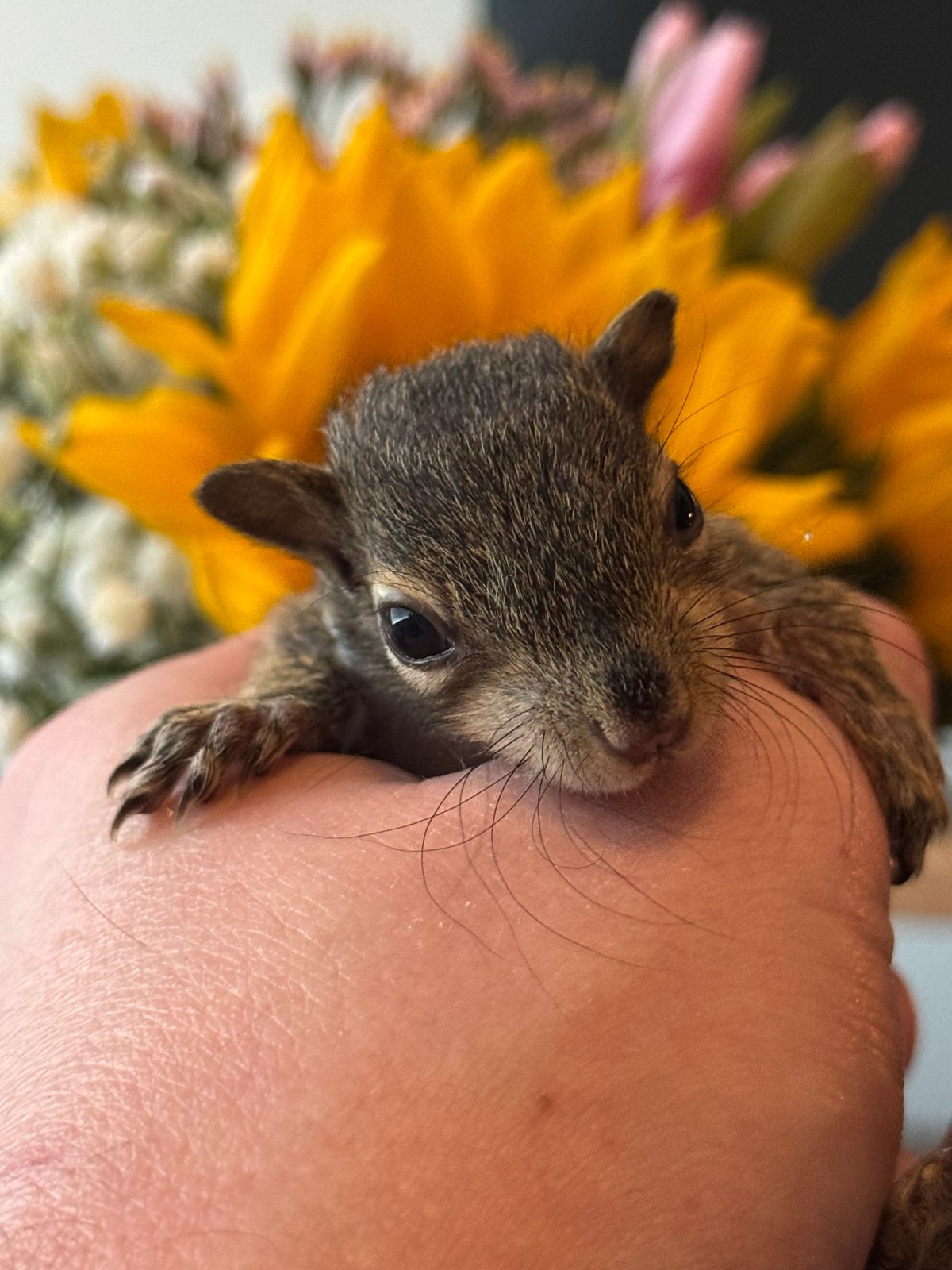
Dwarf squirrels represent one of the most challenging cases in wildlife rehabilitation. These individuals, whether affected by genetic conditions, pituitary dwarfism, or developmental abnormalities, require care protocols that deviate substantially from standard squirrel rehabilitation practices. Their unique physiological and behavioral needs demand specialized attention and modified approaches to ensure optimal quality of life.
Identifying and Understanding Dwarf Squirrels
Recognition of a dwarf squirrel often becomes apparent when comparing them to age-matched peers. These individuals remain significantly smaller throughout their development, often displaying disproportionate body features such as a relatively large head compared to their body size. Their growth rate remains consistently slower despite receiving adequate nutrition, and many rehabilitators note that these squirrels never achieve more than half the size of their normal counterparts.
Beyond size differences, dwarf squirrels exhibit distinct behavioral patterns that set them apart. Their activity levels typically remain lower than normal squirrels, with noticeable difficulties in climbing and balancing that would come naturally to their standard-sized peers. Perhaps most significantly, their feeding behaviors differ markedly - they eat and drink at a much slower pace, often appearing lethargic during feeding times. This slower pace extends to their chewing abilities, which has profound implications for their dietary needs and long-term care.
Temperature Regulation and Environmental Needs
One of the most critical differences in caring for dwarf squirrels involves their compromised ability to regulate body temperature. While normal squirrels typically require supplemental heat only until they reach 5-6 weeks of age, dwarf squirrels often need heating support until 10-12 weeks of age, and many require some form of temperature support throughout their entire lives. This extended need stems from their smaller body mass and potentially compromised metabolic function.
Maintaining appropriate ambient temperatures becomes crucial for these individuals. Baby dwarf squirrels thrive in temperatures between 85-90°F, while juveniles do best in environments maintained at 75-80°F. The use of a low-setting heating pad covering half of their enclosure allows them to self-regulate by moving between warmer and cooler areas. However, constant monitoring remains essential, as these squirrels can quickly become too cold or overheated, with both conditions potentially life-threatening.
Dental Management Challenges
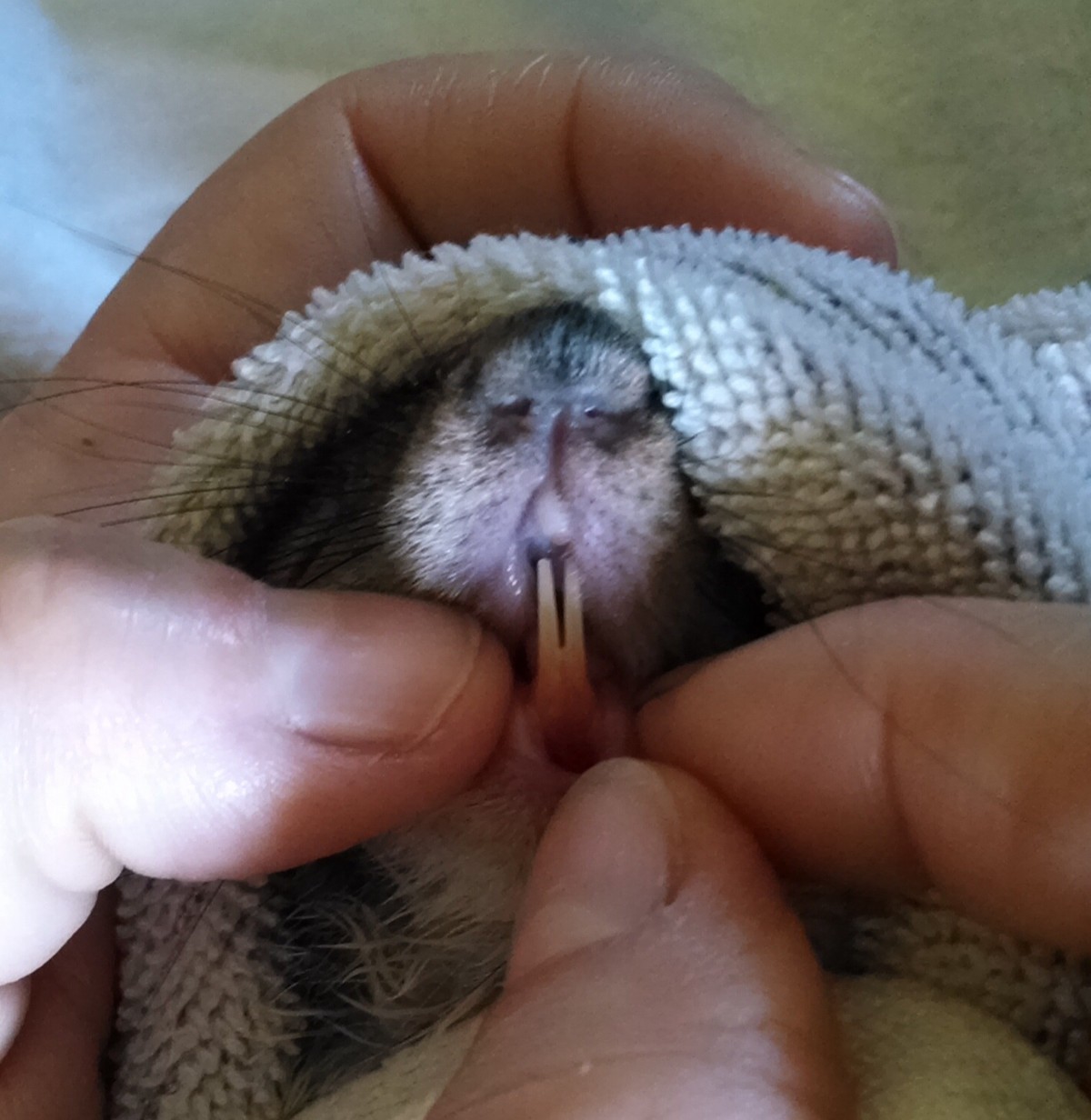
Perhaps no aspect of dwarf squirrel care requires more vigilance than dental health. These squirrels frequently suffer from malocclusion and overgrown teeth due to their inability to grind their teeth down naturally. This problem stems from multiple factors: jaw misalignment is common in dwarf squirrels, their reduced chewing strength prevents normal wear, and their necessarily softer diet doesn't provide the abrasion needed to keep teeth at appropriate length.
Weekly dental checks become a cornerstone of dwarf squirrel care. Rehabilitators must watch for signs of overgrowth including drooling, difficulty eating, unexplained weight loss, or facial swelling. Many dwarf squirrels require tooth trimming every 2-4 weeks, a delicate procedure that demands either experienced handling or veterinary intervention. Without proper dental management, these squirrels can quickly develop life-threatening complications from overgrown teeth. There are many videos on teeth trimming online, you'll need jewelry/ wire cutters, a stick of some sort to hold the mouth open, and fabric to swaddle.
Specialized Feeding
Dwarf squirrels often cannot transition to solid foods in the typical timeframe, and many require modified diets throughout their lives. The preparation of appropriate food becomes an art form, requiring creativity and patience to ensure adequate nutrition while accommodating their limited chewing abilities. The Squirrel Forum is a great place to see how other rehabbers have
The foundation of a dwarf squirrel's diet often consists of rodent block slurry. Creating this involves grinding high-quality rodent blocks into a fine powder, then mixing with formula or water to achieve a smooth, lump-free consistency similar to thick cream. This preparation ensures they receive the balanced nutrition of rodent blocks without the need for extensive chewing. Some rehabbers enhance this base diet with additions like natural nut butters (carefully selected to avoid xylitol), pureed vegetables, or small amounts of fruit baby food to increase palatability and caloric content.
The actual feeding process requires significant modifications from standard practice. Using small 1-3cc syringes provides better control over flow rate, essential when feeding squirrels that eat at a dramatically reduced pace. Where a normal squirrel might complete a feeding in 5-10 minutes, a dwarf squirrel may require 20-30 minutes for the same amount. Patience becomes crucial, as rushing can lead to aspiration. Allowing breaks every 0.5cc and maintaining an upright position throughout feeding helps prevent this dangerous complication.
Formula feeding extends well beyond typical weaning age for these special needs squirrels. While normal squirrels wean between 10-12 weeks, dwarf squirrels often require formula until 14-16 weeks of age, and many benefit from lifelong formula supplementation to maintain adequate nutrition and hydration. This extended support helps compensate for their inefficient eating and digestive processes.
Housing and Environmental Modifications
Creating a safe living environment for dwarf squirrels requires thoughtful modification of standard housing setups. These squirrels cannot navigate the vertical environments that normal squirrels thrive in, necessitating a complete reimagining of their living space. Platforms and perches must be positioned lower to the ground with ramps providing access rather than requiring jumping or extensive climbing. The entire enclosure benefits from extra-soft bedding to cushion inevitable falls, as these squirrels often lack the agility and strength to catch themselves.
Food and water stations require strategic placement at multiple heights, ensuring easy access regardless of the squirrel's energy level or mobility on any given day. Bar spacing becomes critical - while normal adult squirrels cannot fit through standard spacing, smaller dwarf squirrels may escape or become stuck, requiring closer bar spacing or mesh additions. Perhaps most importantly, dwarf squirrels must never be housed with normal-sized squirrels, as they cannot compete for resources and may be injured by more active cage mates.
Medical Considerations and Long-term Planning
Dwarf squirrels face a higher incidence of certain medical conditions throughout their lives. Metabolic Bone Disease occurs more frequently, likely due to their altered metabolism and dietary challenges. Regular supplementation with calcium and vitamin D3 (especially for those housed indoors) becomes essential. Many also benefit from probiotic supplementation to support digestive health, which can be compromised by their liquid diet and extended formula feeding.
The reality for most dwarf squirrels is that they will not be release candidates. Their inability to compete for resources in the wild, combined with poor climbing abilities, ongoing medical needs, and compromised temperature regulation, makes survival in natural conditions unlikely. This recognition early in their care allows rehabbers to focus on quality of life rather than release preparation.
For those facing long-term captivity, careful attention to quality of life indicators becomes paramount. A thriving dwarf squirrel maintains stable weight (even if growth is slow), shows interest in food and environmental enrichment, displays appropriate activity levels for their condition, and remains free from signs of chronic pain or distress. Regular veterinary consultations help ensure these special needs individuals receive optimal care throughout their lives.
Daily Care and Monitoring
Success in dwarf squirrel care relies heavily on consistent, detailed monitoring and meticulous record-keeping. Daily weight checks, performed before the first feeding, provide crucial data about the squirrel's condition. Even small weight losses can indicate developing problems, as these fragile individuals have minimal reserves. Temperature checks, both of the squirrel and their environment, ensure their critical heating needs are being met.
Feeding sessions, typically 4-6 times daily, require careful documentation of amounts consumed and any changes in eating behavior. The slower feeding pace of dwarf squirrels means caregivers must budget significantly more time for each session. Regular inspection of teeth, activity levels, and overall body condition round out the daily assessment routine.
Caring for dwarf squirrels challenges even experienced rehabbers to adapt and innovate. These special needs individuals require modified protocols in virtually every aspect of their care, from extended heating support to lifelong dietary modifications. While they may never be suitable for release, with appropriate care, many dwarf squirrels can experience good quality of life in captivity. Each case contributes to our growing understanding of how to best serve these unique individuals, building a knowledge base that will benefit future dwarf squirrels in rehabilitation settings.
Recommended Supplies
Tools and supplies commonly used by wildlife rehabbers.
As an Amazon Associate, Juniper earns from qualifying purchases. Links below are affiliate links — your price is unchanged.
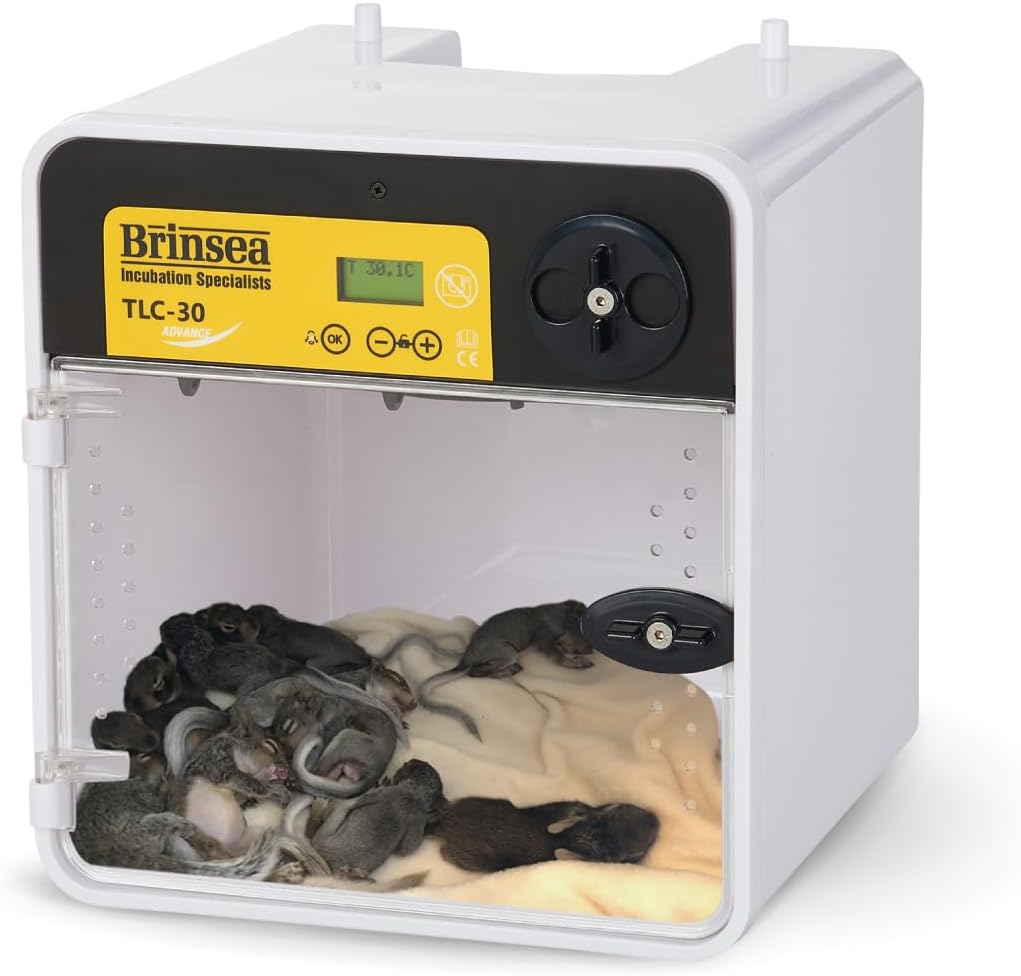
Brinsea TLC-40 Advance Intensive Care Brooder
Professional intensive-care brooder with regulated heat and humidity. Used by rehab clinics for neonates, hypothermic patients, and post-surgical recovery.
View on Amazon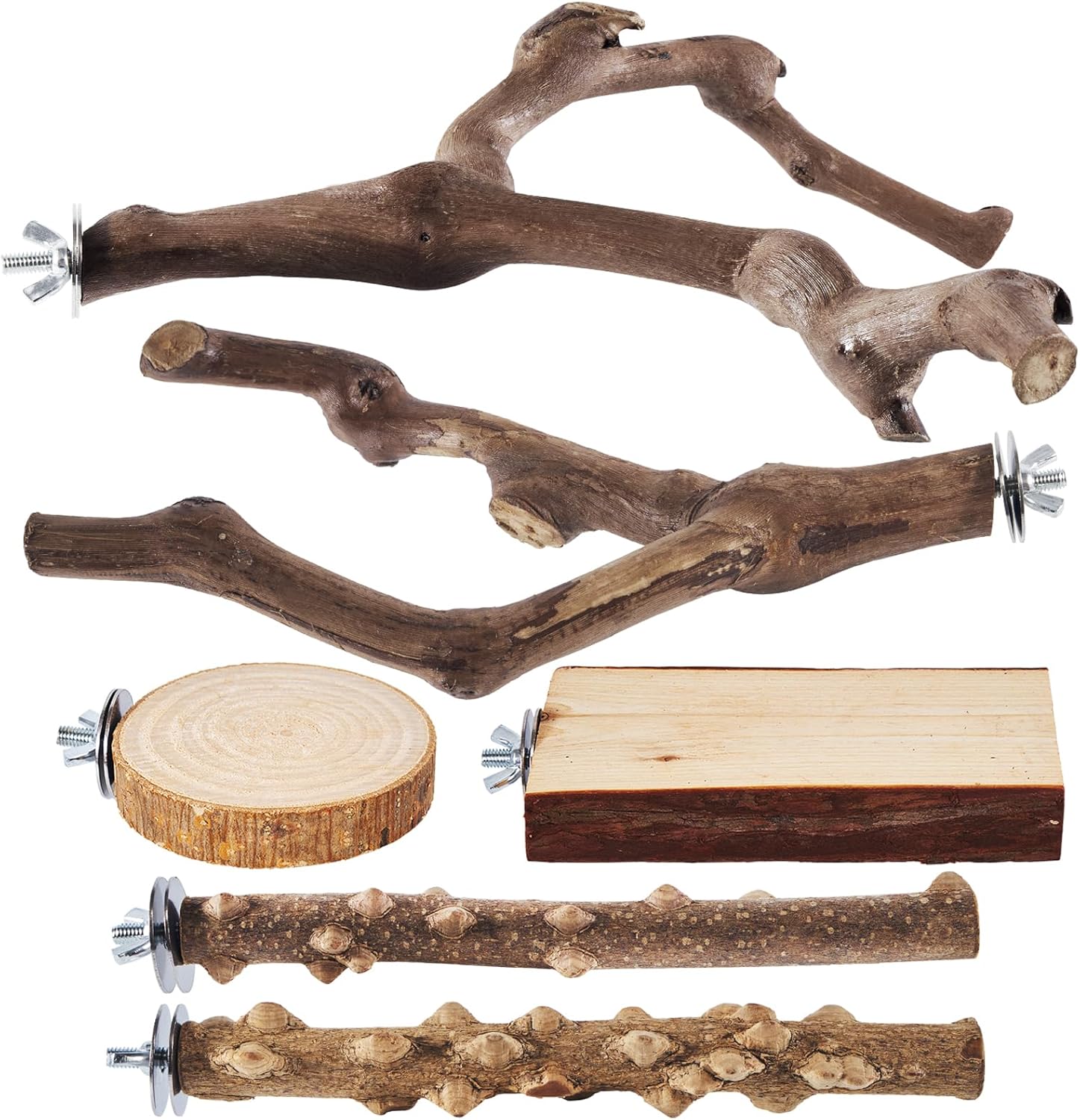
LIMIO 6-Piece Bird Perch Set
Variety set of natural-wood perches at different diameters — good for songbird foot conditioning during rehab and pre-release flight cages.
View on Amazon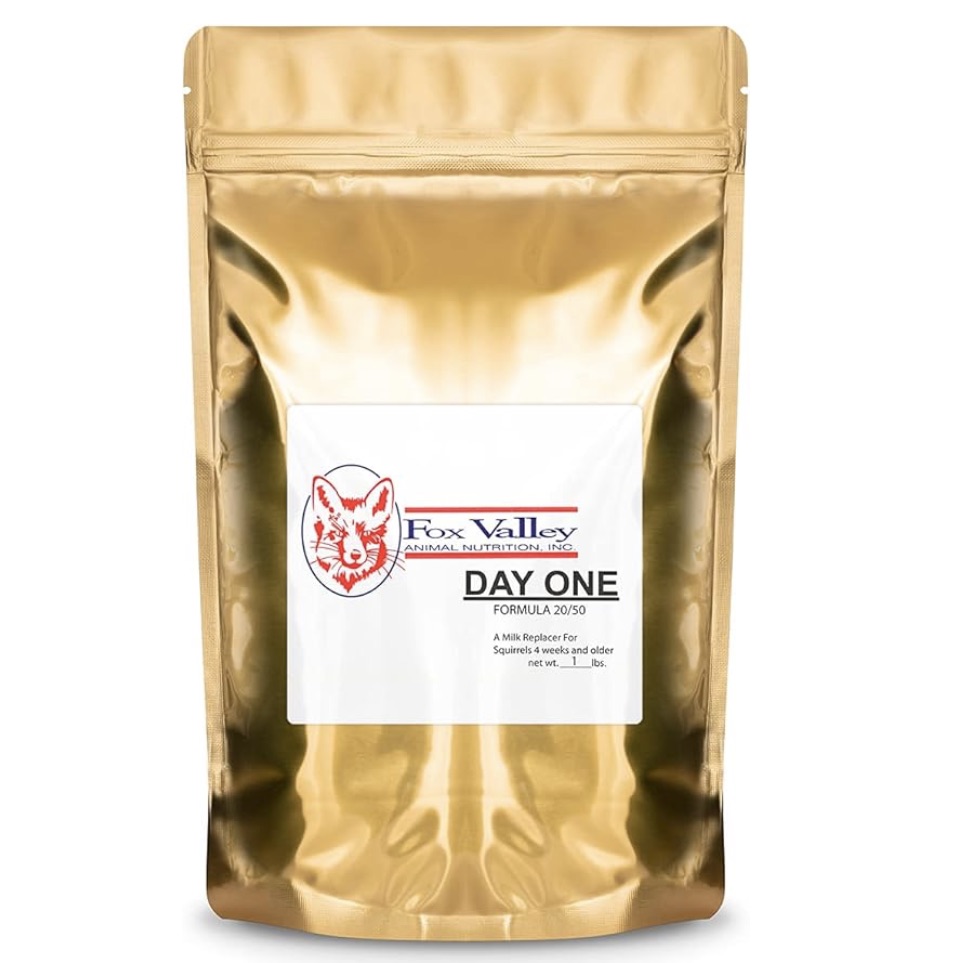
Fox Valley Day-One 20/50 Formula for Squirrels (1 lb)
Species-specific milk replacer formulated for orphaned squirrels. The 20/50 protein-fat ratio is widely used by rehabbers for eyes-closed and eyes-open age groups.
View on Amazon