

Emergency First Response for Baby Squirrels
Critical first steps to take when you find a baby squirrel. Learn how to assess condition, provide warmth, and determine if the baby needs rehabilitation or can be reunited with mom.
Wildlife rehabilitation requires permits and expertise. This site provides educational information for licensed rehabbers and those working under their supervision - always contact a permitted wildlife rehabbers for help with injured or orphaned wildlife.
Full disclaimer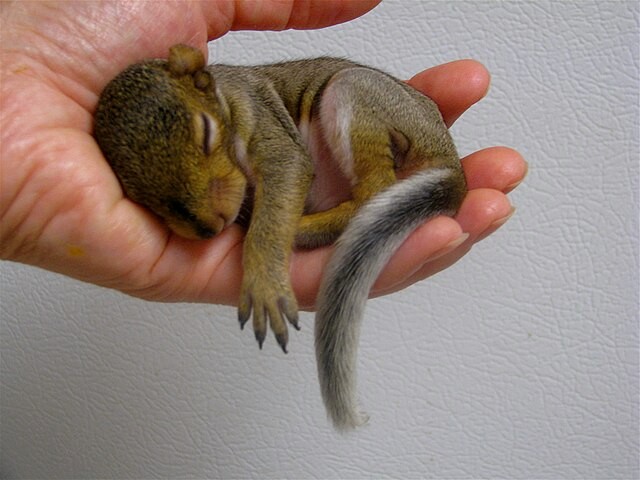
Found a Baby Squirrel? Here's What to Do
Finding a baby squirrel can be both heartwarming and stressful. Your first instinct might be to rush in and help, but taking the right steps in the right order can mean the difference between life and death for this vulnerable creature. This guide will walk you through exactly what to do, step by step.
First: Is the Baby Actually in Danger?
Before doing anything else, you need to determine if the baby truly needs human intervention. Baby squirrels sometimes fall from nests during storms, when branches break, or when learning to climb. Not every baby on the ground needs rescue, mother squirrels are devoted parents and will retrieve fallen babies if given the chance.
Look carefully for signs of injury or distress. Check for any bleeding or visible wounds, which indicate immediate help is needed. Watch how the baby moves, inability to use limbs or dragging legs suggests serious injury. Listen to their breathing; gasping, clicking, or labored breathing requires immediate intervention. Feel the baby's temperature by touching with the back of your hand, a cold baby is an emergency, as hypothermia kills quickly.
Examine the baby closely for fly eggs, which look like tiny white rice grains, often found around the nose, mouth, or wounds. These will hatch into flesh-eating maggots within hours. If you know the baby was in a cat or dog's mouth, even briefly, assume serious injury, cat saliva contains bacteria that's fatal to squirrels without antibiotics. A bloated, hard belly often indicates internal injuries or severe dehydration. Any of these signs mean the baby needs immediate professional rehabilitation care.
When and How to Attempt Reunion
If the baby appears healthy, warm, and uninjured, reunion with mom should always be your first choice. Mother squirrels provide far better care than any human possibly can, and keeping wildlife wild is always the goal. However, reunion attempts must be done correctly to succeed.
Timing is crucial for successful reunions. Only attempt during daylight hours when squirrel mothers are active, never after dark when predators emerge. Weather must be appropriate; temperatures should be above 50°F (10°C) with no rain. If it's raining, wait for weather to clear before attempting. The baby must be warm to touch before reunion, cold babies won't cry for mom, and she won't recognize them as alive.
To reunite a baby squirrel, start by warming them if needed. Place the warm baby in a shallow container like a shoebox lined with soft fleece or flannel, avoid terry cloth where tiny claws can snag. Don't cover the box, mom needs to see and hear her baby. Place the container as close as possible to where you found the baby, ideally at the base of their tree. If you found multiple babies, keep them together as their combined cries are more likely to attract mom.
Clear the area of all disturbances. Bring pets indoors and keep them there, even the scent of dogs or cats can prevent mom from approaching. Ask neighbors to do the same. Keep children inside and observe only from windows. Mother squirrels are extremely cautious and won't approach if they sense any threat.
Give the mother time to retrieve her baby. She may not come immediately, she could be building a new nest, moving other babies, or waiting for the area to feel safe. Most mothers retrieve babies within 2-4 hours, but wait until dusk before giving up. You'll know reunion succeeded if the baby and box disappear, or if you're lucky enough to see mom carry her baby up the tree.
When Reunion Isn't Possible
Several circumstances make reunion impossible or inadvisable. Injured babies need immediate care, not reunion attempts. If the mother is known to be dead (you've seen the body), reunion is obviously impossible. Babies with eyes open and fully furred are typically independent and shouldn't be left out for reunion. After dark, predator activity makes reunion attempts dangerous. In these cases, you'll need to provide temporary care while seeking professional help.
Emergency Care: The Critical First Hours
Heat is the absolute first priority, more urgent than food or water. Baby squirrels cannot digest food when cold, and hypothermia kills faster than starvation. They can survive days without food but only hours without proper temperature.
Creating a heat source requires materials you likely have at home. Fill a sock with dry, uncooked rice and microwave for 30 seconds, testing temperature on your wrist, it should feel comfortably warm, not hot. Alternatively, fill a water bottle with warm (not hot) water and wrap in fleece. Place your heat source in a box, covering only half so the baby can move away if too warm. The baby should feel slightly warmer than your skin, like a human baby with a mild fever. Replace or rewarm heat sources every 2 hours, maintaining warmth continuously until the baby is fully furred.
Create a proper temporary habitat using a small cardboard box or plastic container with air holes. Line with soft fleece, flannel, or t-shirt material. Never use terry cloth towels where claws can catch and break. Place the container in a quiet, warm, dark area away from household activity, pets, and children. Darkness helps reduce stress, which can be fatal for wild babies.
What NOT to Do: Common Mistakes That Kill
The urge to feed a found baby is strong but must be resisted initially. Never attempt feeding until the baby has been warm for at least 1-2 hours. Feeding a cold baby causes the milk to sit undigested in their stomach, leading to bloat and death. Even when warm, baby squirrels need specialized formula, not cow's milk, which causes fatal diarrhea, nor plain water, which they can aspirate into their lungs.
Avoid common household items that seem helpful but aren't. Heating pads on high can burn delicate skin, always use low settings with barriers between baby and heat. Hot water bottles placed directly against babies cause burns. Electric blankets can overheat and dehydrate.
Resist the temptation to handle the baby excessively. While they may seem calm, wild babies are highly stressed by human contact. Stress suppresses their immune system and can literally cause death. When handling is necessary, support the entire body, never grab by tail or limbs. Wash hands thoroughly before and after handling, or wear gloves if available.
Assessing the Baby's Condition
Understanding the baby's age helps determine care needs. Newborns (0-1 week) are pink, hairless, with eyes sealed shut, about the size of a woman's thumb. At 2-3 weeks, gray fur appears but eyes remain closed. By 4 weeks, fur is fuller but eyes are still sealed. Eyes open around 5 weeks, and by 6-7 weeks, the tail becomes fluffy and they look like miniature adults.
Check hydration by gently pinching the skin on the back of the neck. Hydrated skin snaps back immediately, while dehydrated skin remains "tented" or returns slowly. Severe dehydration shows as sunken eyes, lethargy, and skin that stays pinched. If dehydrated, the first feeding must be electrolyte solution (unflavored Pedialyte diluted 1:1 with water), never formula.
Getting Professional Help
Contact a licensed wildlife rehabbers as soon as possible. Baby squirrels require specialized care including specific formulas, feeding techniques, and medical knowledge. In most states, keeping wildlife without proper permits is illegal, regardless of good intentions. Rehabbers have the experience, supplies, and legal authority to provide appropriate care.
While arranging rehabilitation, certain signs indicate emergency veterinary care is needed immediately. Gasping, clicking, or labored breathing suggests aspiration pneumonia or respiratory infection. Active bleeding or obvious fractures need immediate attention. Seizures or convulsions indicate severe neurological problems. If a baby hasn't urinated in 12+ hours despite being warm and hydrated, organs may be shutting down. Unusual stool colors (green, black, bloody) or persistent diarrhea signal serious illness.
Remember: Your Goal is Temporary Stabilization
Your role as a finder is to provide emergency stabilization, warmth, safety, and quiet, while connecting the baby with professional care. Even with the best intentions, home care cannot replicate the specialized knowledge, proper formulas, medications, and experience that rehabbers provide. Every hour counts, but taking time to do things correctly, warming before feeding, attempting reunion when appropriate, and seeking proper help, gives baby squirrels their best chance at returning to the wild where they belong.
Recommended Supplies
Tools and supplies commonly used by wildlife rehabbers.
As an Amazon Associate, Juniper earns from qualifying purchases. Links below are affiliate links — your price is unchanged.
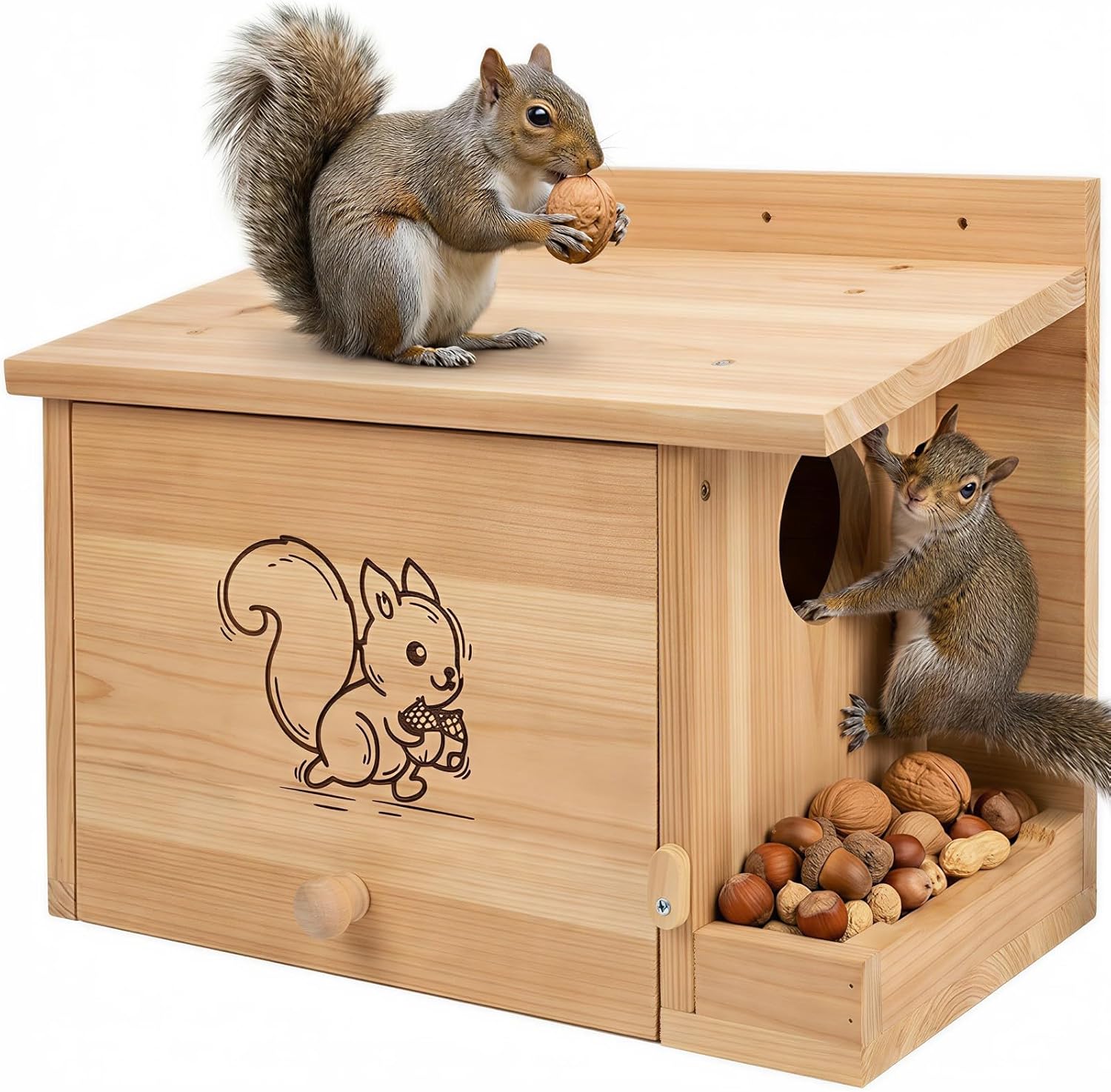
Carbonized Wood Squirrel Nest Box
Outdoor squirrel nest box with carbonized wood for weather and predator resistance. Useful for soft-release setups in enclosed flight cages.
View on Amazon
Qulable Digital Precision Scale
Compact gram-accurate scale for daily weight checks on small patients. Tracking weight is the single best indicator of feeding adequacy in neonates.
View on Amazon
Fleece Pet Blankets (multi-pack)
Multi-pack of small fleece blankets — keep a deep stack on hand for bedding rotations, soiled-laundry cycles, and emergency intake.
View on Amazon