

Identifying Baby Mammals: Is It a Mouse, Rat, Squirrel, or Opossum?
When you find a tiny, pink, hairless baby mammal, identification can be challenging. These species look remarkably similar in their first days of life, but proper identification is crucial for appropriate care. Here's how to tell them apart
Wildlife rehabilitation requires permits and expertise. This site provides educational information for licensed rehabbers and those working under their supervision - always contact a permitted wildlife rehabbers for help with injured or orphaned wildlife.
Full disclaimer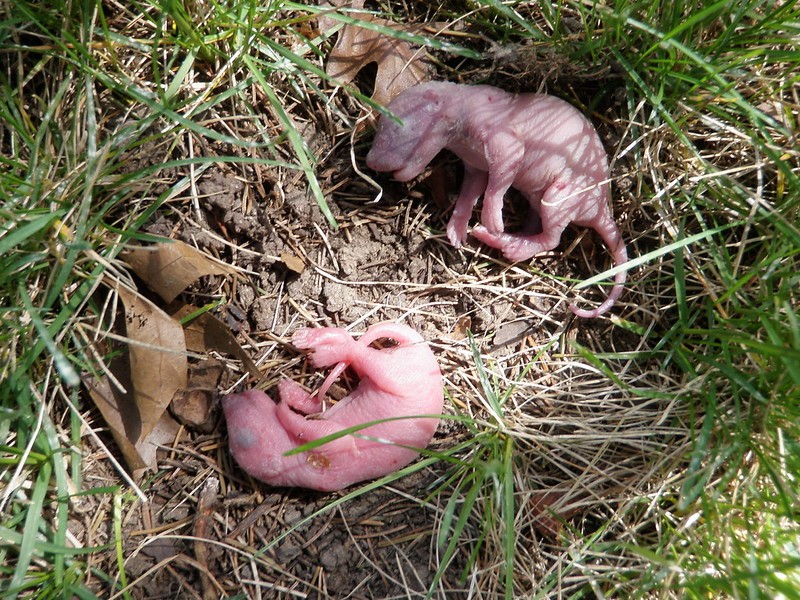
When you find a tiny, pink, hairless baby mammal, identification can be challenging. These species look remarkably similar in their first days of life, but proper identification is crucial for appropriate care. Understanding the subtle differences between mouse, rat, squirrel, and opossum babies can mean the difference between successful rehabilitation and failure.
Understanding Size Differences
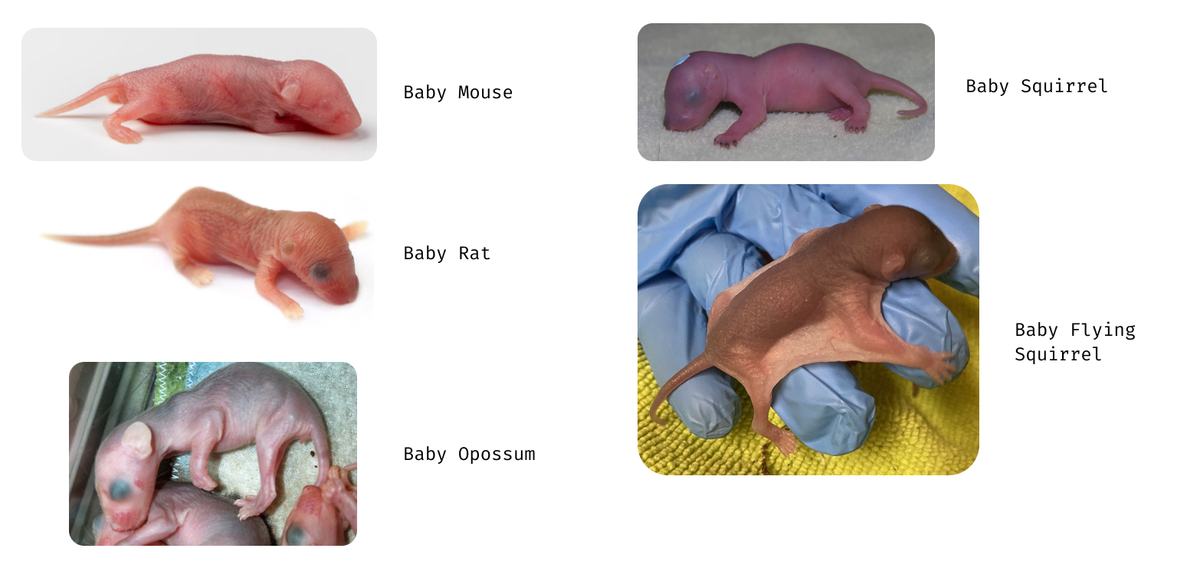
Size provides the first clue to identification, though it requires careful observation. Newborn mice are remarkably tiny, weighing only 1-2 grams and measuring about the size of a kidney bean. Rats are noticeably larger at birth, typically weighing 5-6 grams and comparing to the size of a grape. Squirrels dwarf both rodents, weighing between 15-20 grams at birth - roughly the size of a woman's thumb. Opossums present the most extreme size variation, as they can be found at different developmental stages. When first born, they're astonishingly small at just 0.13 grams (the size of a honeybee), but by the time they're typically found separated from mother, they've grown to about 2 grams.
The Tail Tells the Tale
The tail often serves as the most reliable identification tool when examining pinkie mammals. Mice and rats share the characteristic of having long, thin, naked tails that extend as long as or longer than their entire body length. These tails remain hairless throughout their lives, giving them a distinctive pink, segmented appearance. Squirrel tails, while the same length as their body, will eventually develop the luxurious fur coating they're known for, though this isn't visible in newborns. Opossum tails are perhaps the most distinctive, they're prehensile (capable of gripping), noticeably thick at the base, and remain pink and naked throughout life. Even in tiny babies, you can often observe the muscular nature of an opossum's tail.
Head and Facial Features
Head shape provides another crucial identification marker. Mice and rats possess pointed, narrow snouts that give their heads an elongated appearance, even as newborns. Their facial features appear compressed and streamlined. Squirrels, conversely, have distinctly rounded heads with blunt snouts, giving them an almost teddy bear-like appearance even when hairless. Opossums display the most extreme facial features with very pointed snouts and remarkably large mouth openings, a characteristic that becomes even more pronounced as they age and develop their impressive array of 50 teeth.
Examining the Ears
Ear development varies dramatically between species and offers valuable identification clues. Mice possess surprisingly large ears relative to their head size, and these are visible even in newborn pinkies as clear, separate structures. Rats have proportionally smaller ears that lie closer to the head, giving them a more streamlined appearance. Squirrel ears are perhaps the most subtle, appearing as tiny ear buds that are barely visible on newborns, you might need to look carefully to spot them. Opossum ears are unique in their paper-thin quality and appear almost "stuck" to the head when young, lacking the three-dimensional quality seen in other species.
Feet and Claw Characteristics
The feet often provide definitive identification, particularly for opossums. Mice and rats have simple pink feet with tiny visible claws that are typically clear or pink in color. Squirrel feet are noticeably larger with distinct toes and developing paw pads, and their claws are usually black, a striking contrast against their pink skin. Opossums have the most distinctive feet of all: their back feet feature an opposable "thumb" (called a hallux), while their front feet display five distinct, finger-like digits. Their claws are typically light in color, and even in tiny babies, the unique foot structure is apparent.
Developmental Timeline Differences
Understanding developmental milestones helps confirm identification as babies grow. Fur development follows predictable patterns: mice begin showing visible fur by day 3-4, appearing as a fine coat that quickly covers the body. Rats develop fur more slowly, with visible fur appearing around day 7. Squirrels show only a light fuzz by days 7-10, developing their coat much more gradually. Opossums remain pink and hairless the longest, not developing visible fur until after 30 days of age.
Eye opening provides another timeline marker. Mice open their eyes earliest at 12-14 days, followed by rats at 14-17 days. Squirrels keep their eyes closed much longer, typically opening between 28-35 days. Opossums have the longest developmental period, with eyes remaining closed until 55-70 days of age. This extended development reflects their marsupial nature and unique life history.
Special Considerations for Opossums
Opossums deserve special attention as North America's only marsupial. Their unique biology means they're often found in circumstances different from other mammals. They may be discovered still attached to a dead mother's nipple, as they remain physically connected during early development. Unlike other mammals, opossums cannot thermoregulate (control their body temperature) until they're over 90 days old, making proper heating crucial for far longer than other species. A critical rule for opossums: if found alone and under 7 inches long (not including tail), something is seriously wrong, as they should still be with their mother at this size.
Environmental Clues
Where you find the baby can provide additional identification hints. Babies found in trees or tree cavities are most likely squirrels, as they're the only truly arboreal species of the group. Attic discoveries could be mice, rats, or squirrels, as all three species will nest in human structures. Garage or shed findings often indicate opossums, who prefer ground-level denning sites and frequently seek shelter in human outbuildings.
Why Accurate Identification Matters
Correct species identification isn't just an academic exercise - it directly impacts survival rates. Each species requires specific milk replacer formulas; using the wrong formula can cause fatal digestive issues. Temperature requirements vary significantly, with opossums needing higher temperatures for much longer periods than other species. Development pace affects feeding schedules and care protocols, with squirrels developing much more slowly than mice or rats. Legal considerations also come into play, as some species require rehabilitation permits while others don't. Additionally, different species carry different disease risks, affecting both handler safety protocols and treatment approaches.
When Uncertainty Remains
If identification remains unclear, several steps can help. Take clear photos showing the tail (full length), both front and back feet, head profile, and overall size with a ruler for scale. Document where the baby was found and any unusual circumstances. Note any behaviors observed, even in very young animals. Most importantly, remember that all baby mammals need immediate warmth regardless of species - hypothermia is a more immediate threat than species misidentification. Provide heat first, then seek expert help for identification.
Wildlife rehabilitation requires expertise and proper permits. Each species has complex nutritional, housing, and medical needs that extend far beyond basic identification. When in doubt, contact a licensed wildlife rehabbers who can provide appropriate care and ensure the best possible outcome for these vulnerable babies.
Recommended Supplies
Tools and supplies commonly used by wildlife rehabbers.
As an Amazon Associate, Juniper earns from qualifying purchases. Links below are affiliate links — your price is unchanged.
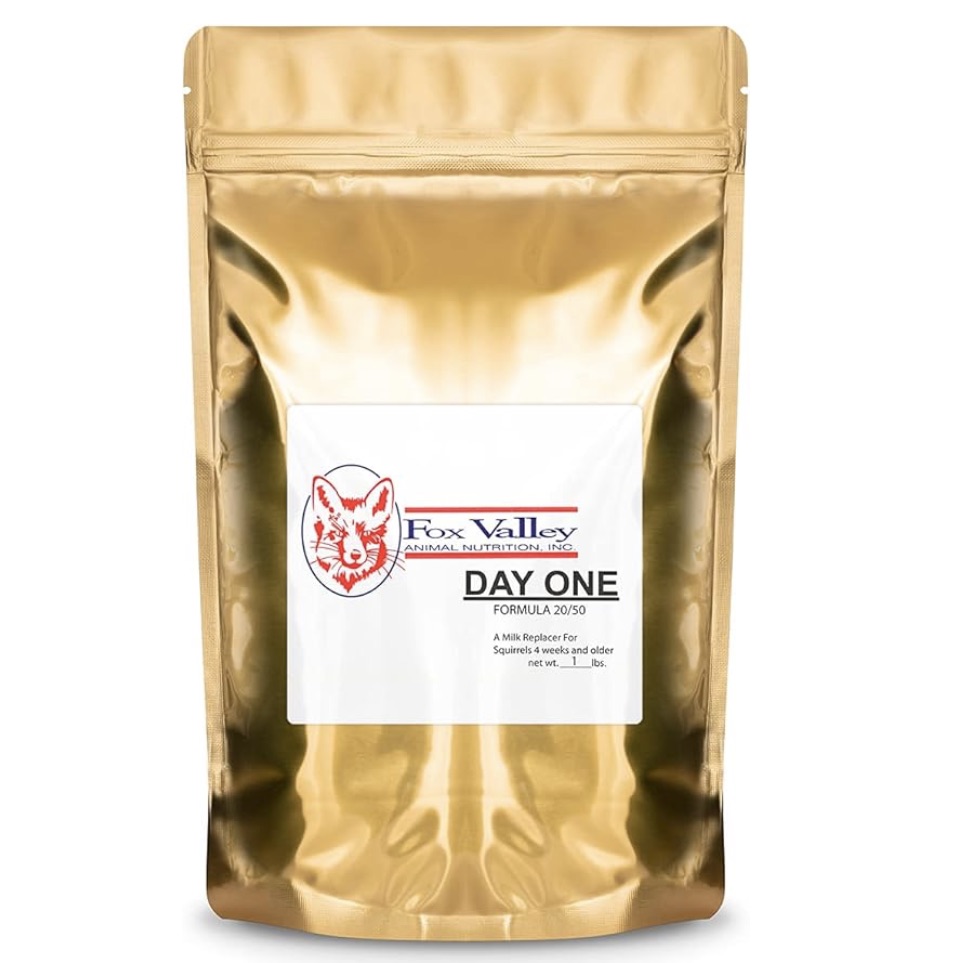
Fox Valley Day-One 20/50 Formula for Squirrels (1 lb)
Species-specific milk replacer formulated for orphaned squirrels. The 20/50 protein-fat ratio is widely used by rehabbers for eyes-closed and eyes-open age groups.
View on Amazon
Borneo Small Animal Cage for Squirrels
Wire small-animal cage suitable for juvenile squirrels in pre-release conditioning. Pair with branches and nest boxes for enrichment.
View on Amazon
Pedialyte Oral Electrolyte Solution (variety pack)
Unflavored Pedialyte is the standard rehydration solution for dehydrated wildlife on intake. Always rehydrate before introducing formula.
View on Amazon