

Opossum Care Guide
Virginia opossums are North America's only native marsupial, making their rehabilitation uniquely challenging. Their distinctive biology, from their incredibly altricial birth state to their specialized nutritional needs, requires rehabbers to abandon many assumptions based on placental mammal care. This guide provides comprehensive information for successfully raising orphaned opossums from pouch young through release.
Wildlife rehabilitation requires permits and expertise. This site provides educational information for licensed rehabbers and those working under their supervision - always contact a permitted wildlife rehabbers for help with injured or orphaned wildlife.
Full disclaimer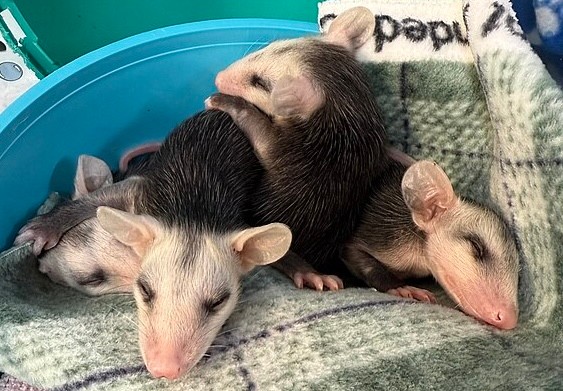
Virginia opossums are North America's only native marsupial, making their rehabilitation uniquely challenging. Their distinctive biology, from their incredibly altricial birth state to their specialized nutritional needs, requires rehabbers to abandon many assumptions based on placental mammal care. This guide provides comprehensive information for successfully raising orphaned opossums from pouch young through release.
Understanding Opossum Biology
Opossums begin life in an almost embryonic state, born after just 12-13 days of gestation. These tiny neonates, each weighing approximately 0.13 grams (about the size of a honeybee), must crawl from the birth canal to the pouch unassisted. Those who successfully make this journey attach to one of thirteen nipples, where they remain continuously attached for approximately 60 days. This remarkable beginning shapes every aspect of their care in rehabilitation.
The pouch serves as an external womb where development continues. Young opossums cannot thermoregulate until approximately 90 days of age, far longer than comparable placental mammals. Their immune system develops slowly, making them particularly vulnerable to infection during their extended developmental period. Understanding these biological constraints helps explain why opossum rehabilitation requires such specialized protocols.
Aging and Development Stages
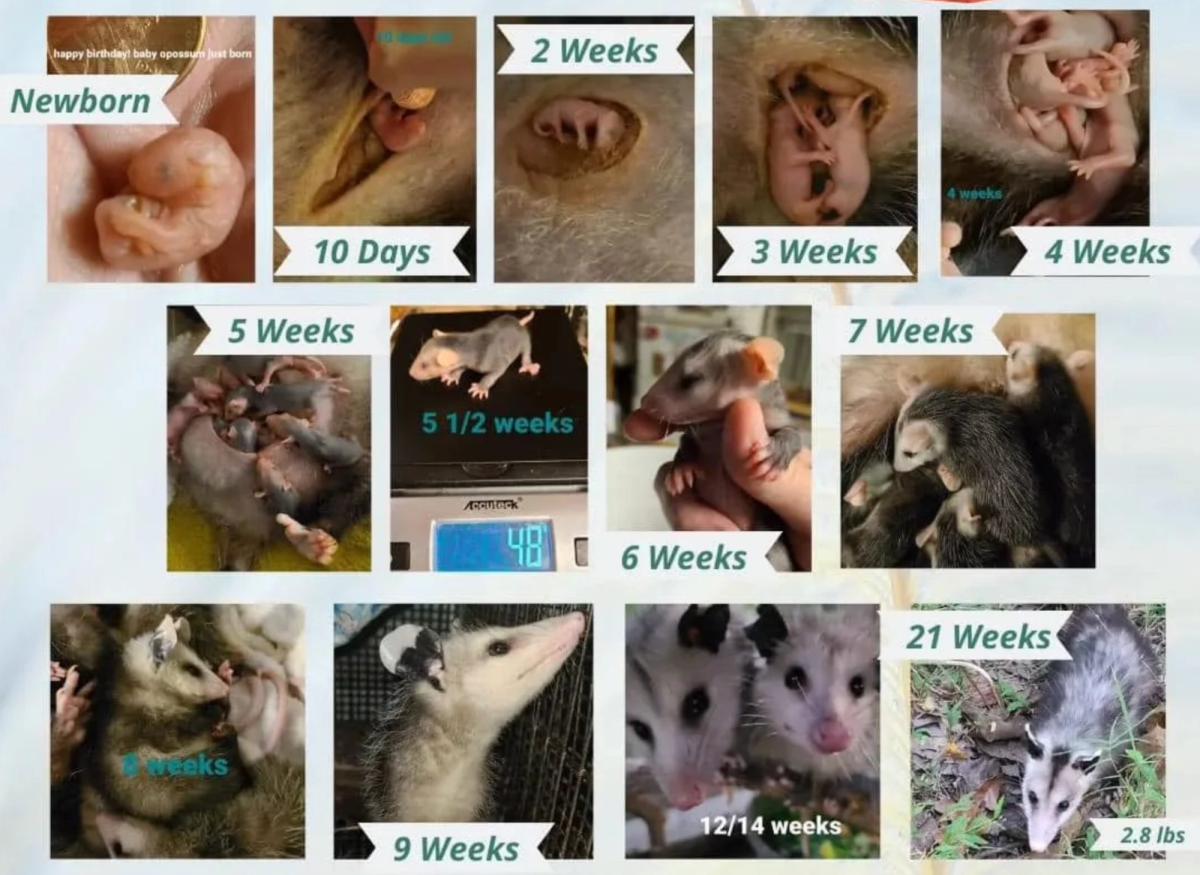
Accurate aging determines appropriate care protocols. Opossums develop predictably, allowing rehabbers to estimate age based on physical characteristics and measurements.
Pouch Young (0-60 days): These opossums measure less than 7 inches from nose to tail base (not including tail). They should still be attached to their mother's nipple or recently detached. Eyes remain closed, and they're essentially hairless with pink, translucent skin. At this stage, they cannot survive without specialized care mimicking the pouch environment.
Pre-release Young (60-90 days): Measuring 7-10 inches nose to tail base, these opossums have opened eyes and developing fur. They begin exploring outside the pouch but return frequently. They still cannot maintain body temperature independently and require supplemental heat. This transitional phase requires careful monitoring as they develop independence.
Juvenile Opossums (90-120 days): At 10-14 inches, juveniles have full fur and can thermoregulate. They're actively exploring, learning to climb, and developing foraging skills. While more independent, they still require formula supplementation and teaching opportunities to develop proper wild behaviors.
Sub-adults (120+ days): Measuring over 14 inches, these opossums are nearly independent. They're perfecting climbing skills, establishing food preferences, and preparing for release. This stage focuses on ensuring they have all necessary survival skills while maintaining their wild nature.
Initial Care and Stabilization
When orphaned opossums arrive, immediate assessment determines their needs. Check for injuries, particularly puncture wounds from cat or dog attacks, which require immediate antibiotic intervention. Assess hydration by gently pinching skin, dehydrated skin remains tented rather than snapping back. Feel for body temperature; cold opossums need immediate warming before any other intervention.
Warming protocols vary by age. Pouch young require consistent temperatures of 90-95°F, mimicking the mother's pouch. Pre-release young need 85-88°F until they develop better thermoregulation. Use heating pads on low settings, rice socks, or incubators, always providing a temperature gradient so opossums can move away from heat if needed. Monitor temperature constantly, as both hypothermia and hyperthermia can be fatal.
Creating appropriate housing depends on developmental stage. Pouch young benefit from hanging pouches made of fleece, mimicking their natural position. Soft fabrics without loops or holes prevent nail entanglement. Pre-release young need horizontal space with hiding options and soft substrates. Juveniles require climbing opportunities and varied substrates to develop proper muscle tone and coordination.
Nutrition and Feeding
Use specialized marsupial milk replacers like Fox Valley formulas. Never use cow's milk, human formula, or kitten replacer. Mix fresh daily according to package directions and warm to 98°F.
Tube Feeding Protocol: Very young opossums (under 25-30 grams) typically require tube feeding as they cannot effectively nurse from syringes. Use appropriate-sized feeding tubes (3.5-5 French) and 1cc syringes. Measure from mouth to last rib for proper tube length. Insert tube gently over tongue into stomach. This requires training from experienced rehabbers to avoid potentially fatal errors like aspiration or esophageal perforation.
Tiny opossums may only take 0.1-0.5cc per feeding every 2-3 hours around the clock. Formula amount generally equals 10-25% of body weight divided throughout daily feedings. As they grow, some opossums can transition to lapping from dishes or syringe feeding around 40-50 grams, though individuals vary greatly.
Begin solid foods at 80 grams with scrambled eggs, yogurt, and mashed fruits. Gradually add insects (calcium-dusted), vegetables, and varied proteins. Avoid chocolate, avocado, onions, and high-fat foods. Proper calcium:phosphorus ratio is critical to prevent metabolic bone disease.
Common Health Issues
Metabolic Bone Disease (MBD) - Most common serious condition. Signs include climbing reluctance, tremors, weakness, paralysis. Prevented through proper diet and calcium supplementation.
Parasites - Fecal test on intake. Common: roundworms, coccidia, fleas. Consult veterinarians familiar with opossum metabolism.
Dermal Septic Necrosis - Skin death in orphans. Requires veterinary care and intensive support.
Development and Enrichment
Provide climbing opportunities with branches and ropes, starting low and increasing complexity. Hide food to encourage foraging, use puzzle feeders, scatter feeding, buried insects. Limit human interaction to maintain wild behavior. House similar-sized young together but separate sub-adults.
Release Criteria
Physical: Minimum 1.5-2 pounds (680-900g), excellent climbing ability, good body condition
Behavioral: Fear of humans/pets, effective foraging, nocturnal activity, nest-building skills
Timing: Spring/early summer best, avoid extreme weather, ensure time before winter
Location: Woodland-edge habitat with food, water, shelter, away from traffic and dogs
Consider soft release when possible - acclimate at release site for 1-2 weeks with decreasing support.
Critical Reminders
Toileting assistance required until 75-80 grams
Keep detailed weight records - steady gain expected
Never release undersized or human-friendly opossums
State permits required for rehabilitation
Consult National Opossum Society for detailed protocols
This guide created by Linda Veraldi for the 2024 WRNC Symposium is a great guide for seeing the age of your opossums and knowing what to feed and how much. https://ncwildliferehab.org/wp-content/uploads/2024/01/Opossum-101-WRNC-Syposium-2024.pdf
Recommended Supplies
Tools and supplies commonly used by wildlife rehabbers.
As an Amazon Associate, Juniper earns from qualifying purchases. Links below are affiliate links — your price is unchanged.
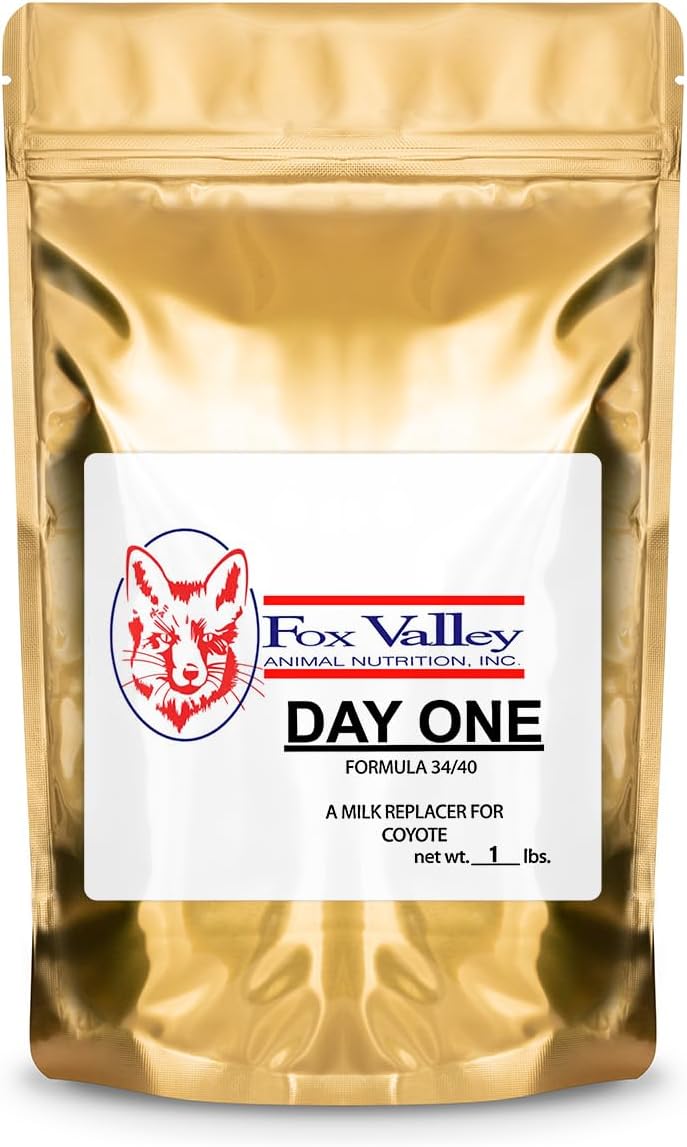
Fox Valley Day-One 34/40 Formula for Coyotes (1 lb)
Species-specific 34/40 protein-fat formula for orphaned coyote pups. Higher protein content matches canid milk composition more closely than generic mammal replacers.
View on Amazon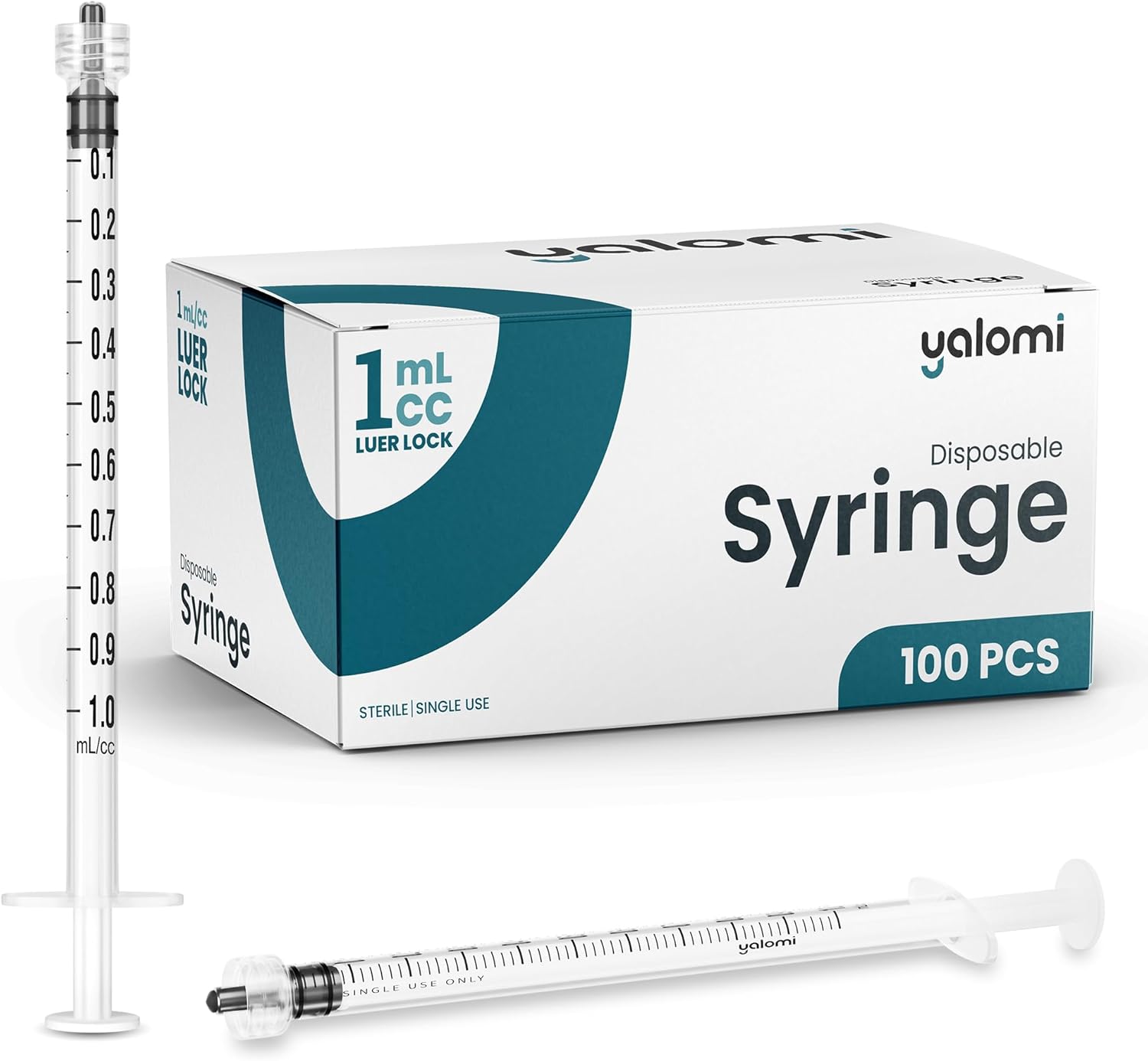
Yalomi 1mL Luer Lock Syringes (100-pack, no needle)
Sterile 1cc syringes with a locking tip — useful for tube-feeding adapters and any setup where a slip-fit could pop loose.
View on Amazon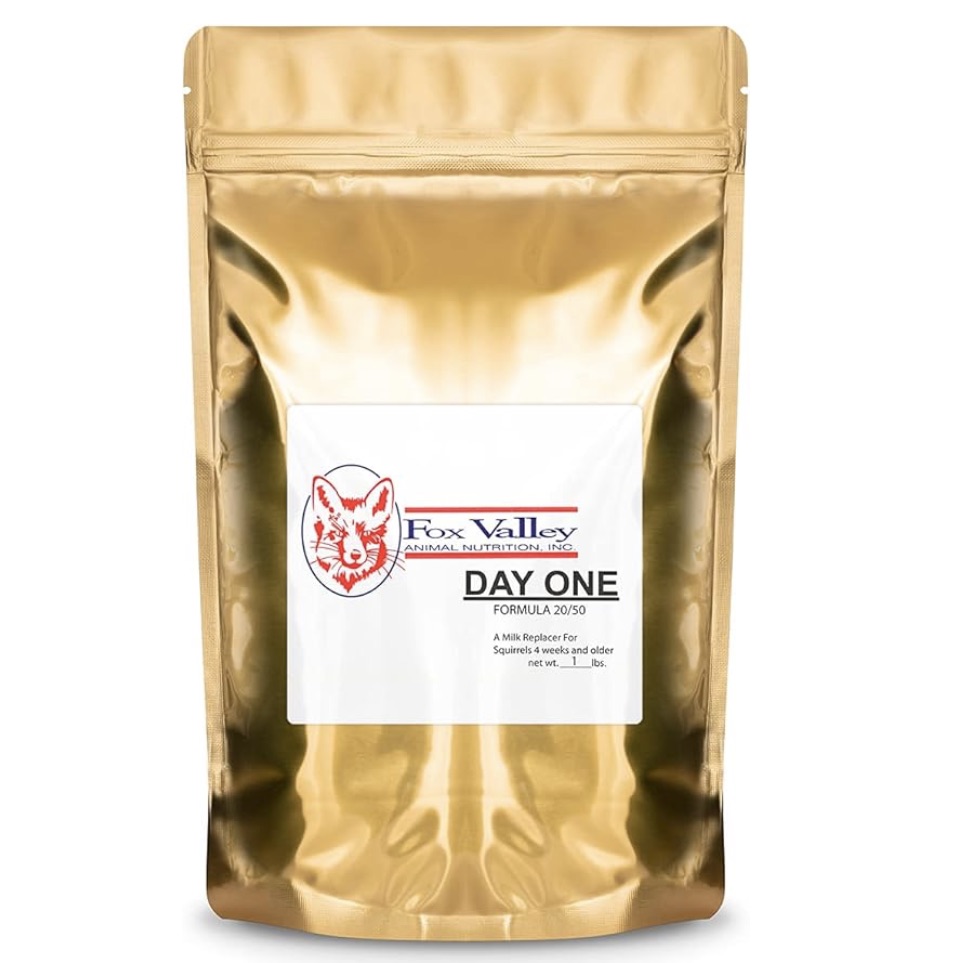
Fox Valley Day-One 20/50 Formula for Squirrels (1 lb)
Species-specific milk replacer formulated for orphaned squirrels. The 20/50 protein-fat ratio is widely used by rehabbers for eyes-closed and eyes-open age groups.
View on Amazon