

Tube Feeding Safely
Tube feeding is essential for infant opossums under 25-30 grams who cannot effectively nurse. This delicate procedure can save lives when done correctly or cause fatal complications when done improperly. This guide provides step-by-step protocols developed by experienced opossum rehabbers.
Wildlife rehabilitation requires permits and expertise. This site provides educational information for licensed rehabbers and those working under their supervision - always contact a permitted wildlife rehabbers for help with injured or orphaned wildlife.
Full disclaimer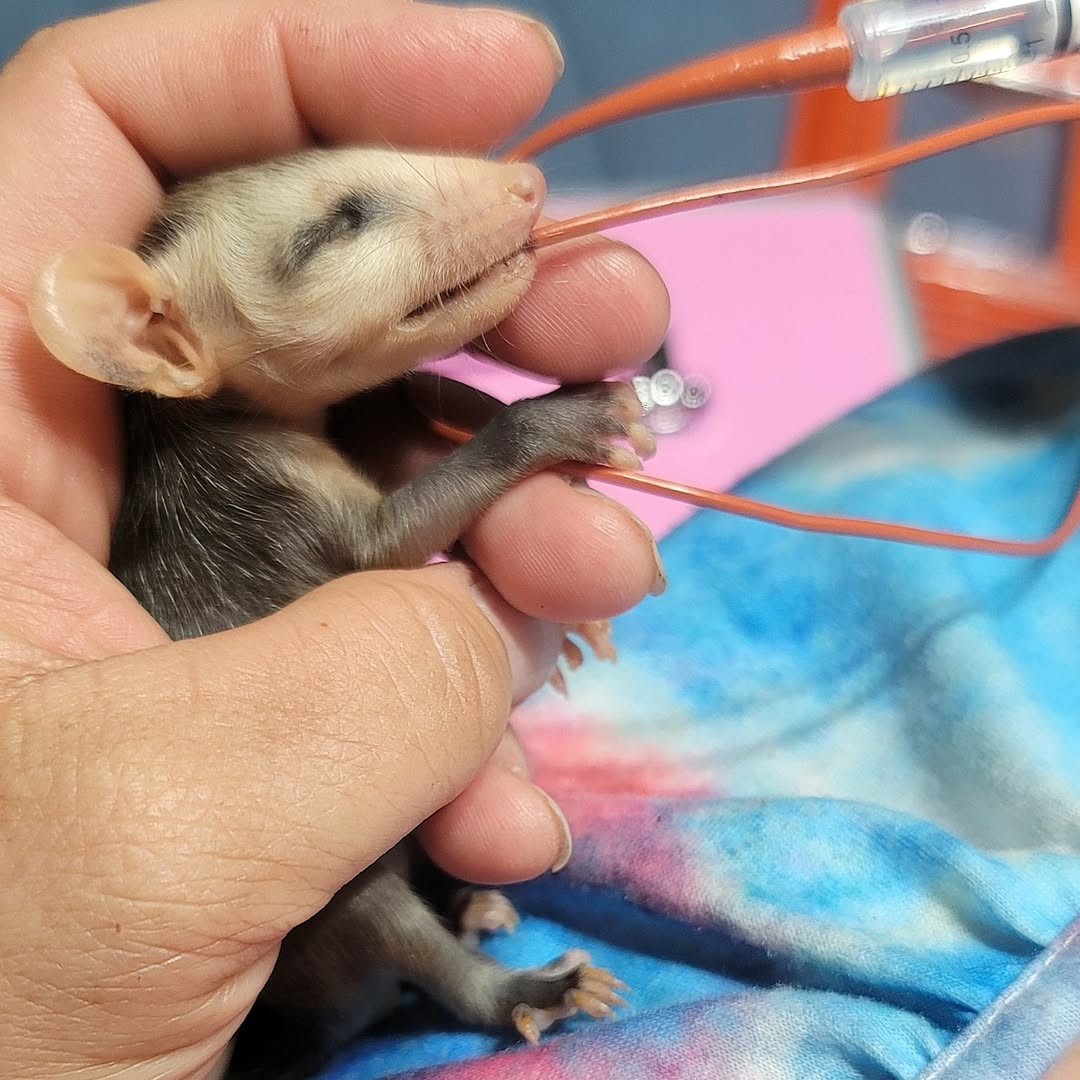
Tube Feeding Opossums Safely: A Critical Care Guide
Tube feeding is essential for infant opossums under 25-30 grams who cannot effectively nurse. This delicate procedure saves lives when done correctly but can cause fatal complications if performed improperly. Success requires proper equipment, careful technique, and understanding of common pitfalls.
Selecting the Right Tube Size
Tube size depends entirely on the opossum's weight, with smaller tubes for tinier babies. Opossums under 10 grams require the smallest option, typically a 3.5 French feeding tube or tomcat catheter. As they grow to 10-20 grams, you can use 3.5-5 French tubes, moving to straight 5 French tubes for 20-35 gram opossums. Once they reach 35-50 grams, they should begin transitioning to lapping, though some may still need 5-8 French tubes occasionally. Any opossum over 50 grams should be lapping from a dish.
Essential Preparation Steps
Before each feeding, measure your tube from the nose tip to the last rib and mark this distance with permanent marker, this ensures reaching the stomach without dangerous over-insertion. Formula must be properly warmed to 98-100°F, as cold formula causes potentially fatal bloat while overheated formula burns delicate tissues. Always stimulate the baby to urinate and defecate before feeding, creating room in the abdomen and reducing aspiration risk from pressure. Most importantly, ensure the opossum is warm before attempting to feed, as cold babies cannot properly digest.
The Feeding Technique
Hold the opossum vertically with head up, wrapped gently but securely in cloth. Touch the corner of the mouth to encourage opening, then slide the lubricated tube over the tongue toward the back of the throat. The opossum should swallow the tube naturally, never force it. You'll feel the tube passing down the left side of the neck as it enters the esophagus. Once the tube reaches your pre-measured mark without resistance, slowly depress the syringe plunger while watching the stomach gently round. When finished, pinch the tube closed before withdrawing to prevent formula dripping into the airway, then hold the baby upright for 30 seconds.
Calculating Formula Amounts
Formula volume depends on body weight and individual tolerance. Tiny opossums under 10 grams typically receive 5-10% of body weight per feeding, while 10-25 gram babies can handle 10-15%. Larger babies from 25-50 grams may take 15-20% of body weight. Divide the daily total among 6-8 feedings. For example, a 15-gram opossum needs approximately 0.3cc per feeding when fed 7 times daily.
Recognizing and Avoiding Fatal Errors
Aspiration occurs when formula enters the lungs instead of the stomach, causing pneumonia or immediate death. Watch for formula bubbling from the nose or persistent clicking sounds after feeding. If aspiration occurs, immediately hold the opossum head-down, clear visible formula, and withhold the next feeding while monitoring breathing. Esophageal perforation from forcing tubes or using damaged equipment is typically fatal, always inspect tubes and never force insertion. Bloat from overfeeding or cold formula causes the stomach to become hard and distended, potentially fatal if severe.
Transitioning to Lapping
Begin offering formula in shallow dishes around 35-40 grams when coordination improves. Start by offering a dish after tube feeding, letting them explore without reducing tube volumes. Place formula drops on their lips to encourage licking while maintaining full tube feeding support. Only begin reducing tube feeding volumes once they're actively lapping and gaining weight consistently. Some opossums master lapping quickly while others need tube support until 50-60 grams, never rush this critical transition as forced lapping increases aspiration risk.
When to Seek Immediate Help
Contact experienced rehabbers immediately if you observe blood in formula or from the nose, persistent clicking or wheezing after feeds, weight loss despite adequate feeding, extreme lethargy, or bloat that doesn't resolve. These signs indicate potentially life-threatening complications requiring immediate intervention.
Remember that tube feeding is a learned skill requiring hands-on training from experienced rehabbers. With proper technique and patience, you'll help infant opossums survive their most vulnerable stage and eventually celebrate their transition to independent feeding.
This video is a very quick example of a tube feed: https://youtu.be/Z2ex4Rp-TrY if you're having trouble inserting the tube, look for a gap in the teeth towards the back of the mouth!
Recommended Supplies
Tools and supplies commonly used by wildlife rehabbers.
As an Amazon Associate, Juniper earns from qualifying purchases. Links below are affiliate links — your price is unchanged.
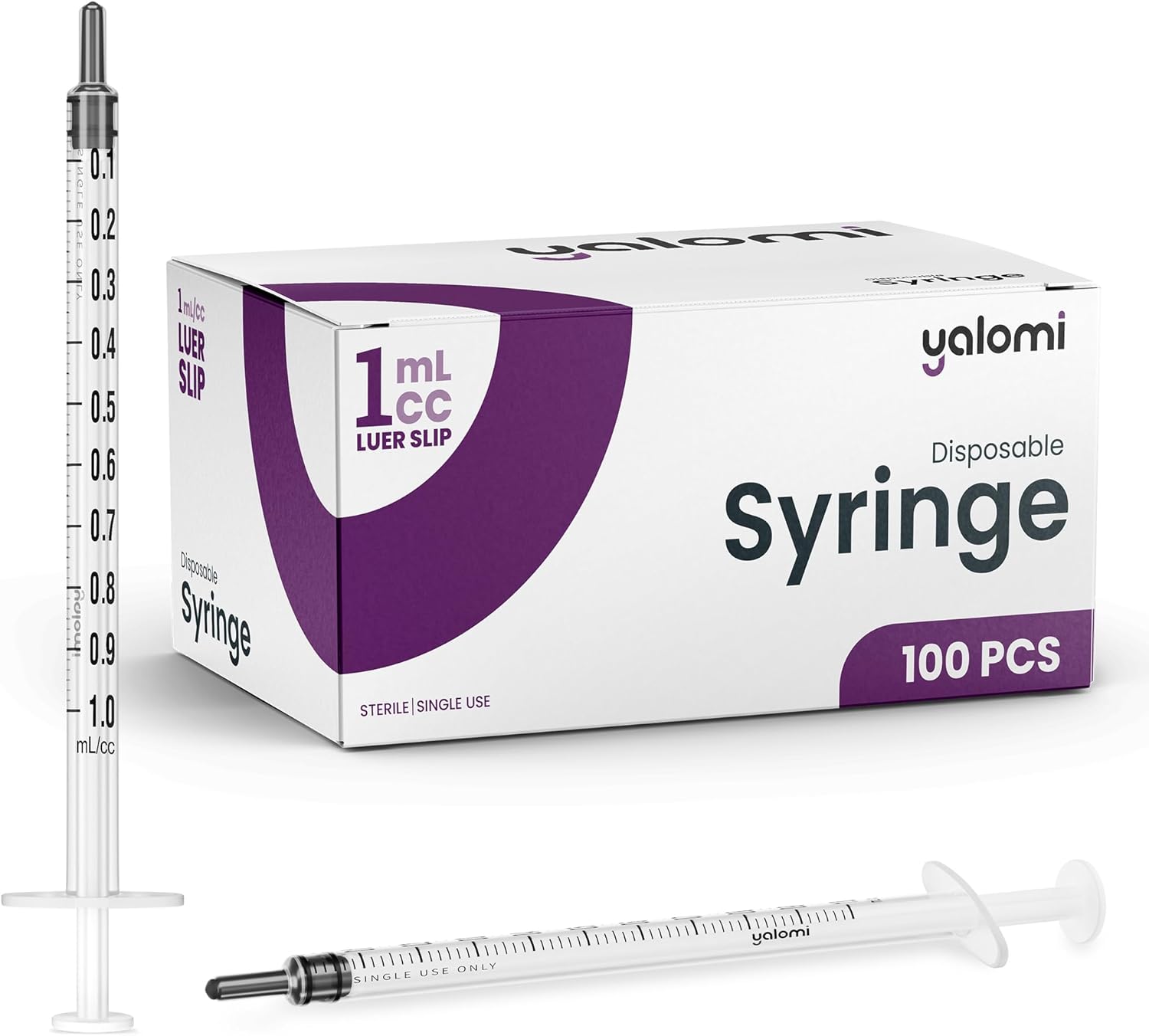
Yalomi 1mL Luer Slip Syringes (100-pack, no needle)
Sterile, individually wrapped 1cc syringes. Luer slip tip pairs with Miracle Nipples for everyday hand-feeding.
View on Amazon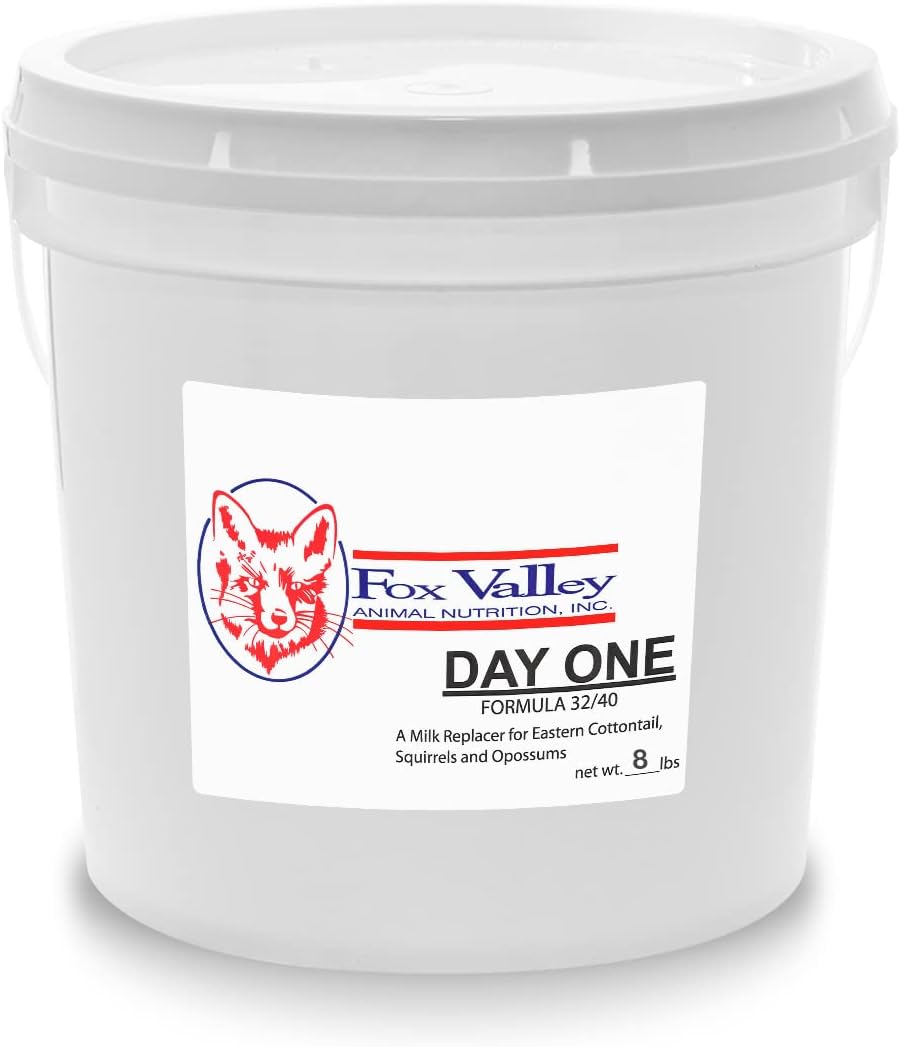
Fox Valley Day-One 32/40 Formula for Squirrels, Rabbits & Opossums
All-purpose 32/40 protein-fat blend covering three of the most common rehab admits: squirrels, cottontails, and opossums. A reliable pantry staple.
View on Amazon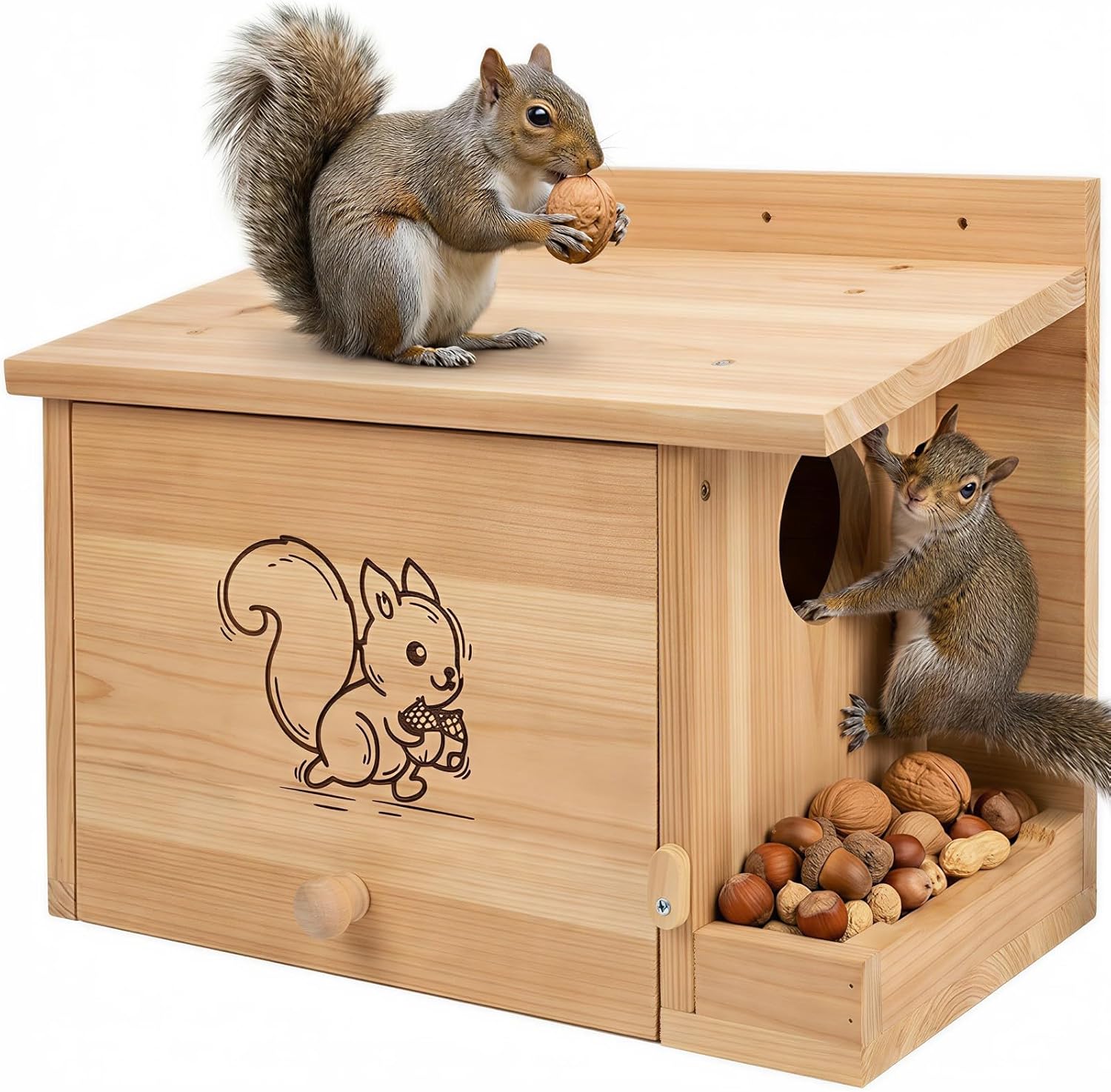
Carbonized Wood Squirrel Nest Box
Outdoor squirrel nest box with carbonized wood for weather and predator resistance. Useful for soft-release setups in enclosed flight cages.
View on Amazon